REVIEW · DUBROVNIK
Dubrovnik Old Town Walking Tour
Book on Viator →Operated by Dubrovnik Tours - Horizon · Bookable on Viator
Dubrovnik clicks into place fast. This 90-minute Old Town walk is a great way to get your bearings quickly, with Ragusa-era sights like Onofrio’s Fountain plus movie-location trivia in the mix. I especially like how the guide turns monuments into a story you can picture, including details about Franciscans and medicine. One thing to think about: it’s a mostly outdoor stroll, and there’s no mention of any audio help, so crowded stretches can make it harder to hear if you’re not close to the guide.
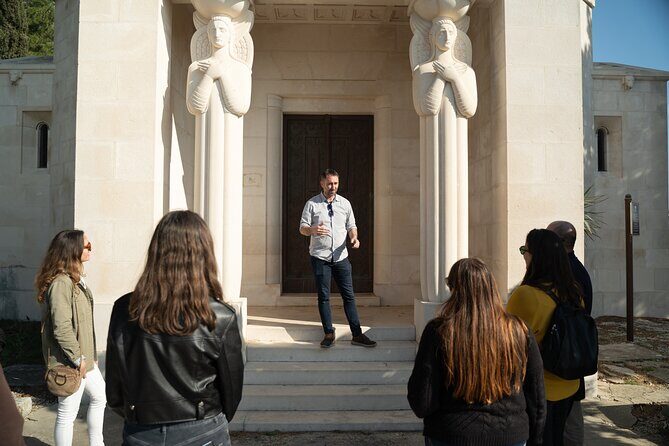
You’ll follow a simple route through the heart of Old Town: in through Pile Gate, down toward Stradun, and then out the other side into Luža Square. I also like that the group is limited to a maximum of 16 people and the tour is in English, which keeps it conversational rather than a lecture.
If you want a quick, high-impact introduction rather than museum time, this fits well.
In This Review
- Key Highlights That Make This Tour Worth Your Time
- Arriving at Pile Gate: Where Dubrovnik Begins
- The Ragusa Story Comes Alive in Old Town Streets
- Onofrio’s Fountain: More Than a Pretty Photo Stop
- Church Exteriors With Context: St. Ignatius and the Cathedral Area
- Stradun: The Street That Feels Like a Main Stage
- Franciscan Medicine Details You Can Actually Remember
- Luža Square Finish: Rector’s Palace, St. Blaise, and Sponza
- City Harbor Stop: When Old Meets New Shipping
- Movie-Location Trivia: Finding Game of Thrones and More
- Price and Value: What $30.04 Buys You
- Timing, Crowds, and Heat: How to Make It Comfortable
- What’s Not Included (So You Don’t Get Surprised)
- Best Fit: Who This Dubrovnik Old Town Walk Suits
- Should You Book This Dubrovnik Old Town Walking Tour?
- FAQ
- How long is the Dubrovnik Old Town Walking Tour?
- What does the tour cost?
- Is the tour in English?
- Where do I meet, and where does it end?
- What’s included in the tour price?
- Are food and drinks included?
- Does the tour include visits to churches or museums?
- Are the City Walls or museum entrance fees included?
- Is there a group size limit?
Key Highlights That Make This Tour Worth Your Time

- Pile Gate to Luža Square route: you’ll learn the layout fast, so exploring afterward feels easier
- Republic of Ragusa stories you can see: from daily life to how the city’s water system shaped routines
- Franciscans and an old pharmacy angle: medicine history woven into real places you pass
- Onofrio’s Fountain context: not just a photo stop, but why it mattered until the early 1900s
- Walk-bys of major church exteriors: St. Ignatius and the Cathedral of the Assumption, without ticket hassles
- Film-location sightings: Game of Thrones, Robin Hood, and Star Wars spots you can point out on your next walk
Arriving at Pile Gate: Where Dubrovnik Begins
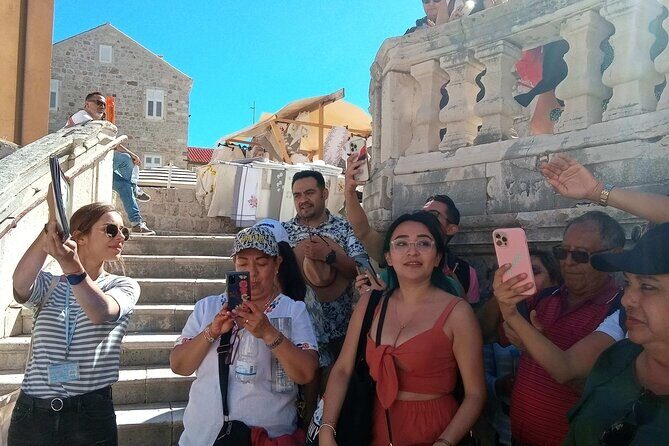
Your tour starts at Amerling Fountain, then the first big “welcome” moment comes at Pile Gate, the main entrance to Old Town. This is the spot where Dubrovnik’s modern edge gives way to medieval streets, and it’s a good place for your guide to set the stage.
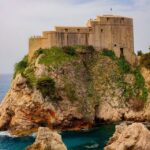
Before you fully step inside the walls, you’ll get a short orientation that helps you understand what you’re looking at. You’ll also hear about fort Lovrijenac and Bokar, which are key visual landmarks around the city. Even if you don’t climb anything, this kind of context makes the city feel less like random stone and more like a system built for defense, trade, and daily life.
I like this start because it gets you thinking in “why this location?” terms. That’s how the rest of the tour clicks—Stradun doesn’t feel like a street, it feels like the spine of a whole city-world.
You can also read our reviews of more walking tours in Dubrovnik



The Ragusa Story Comes Alive in Old Town Streets

Once you enter through Pile Gate, the guide shifts from map-reading to human-scale history. You’ll walk through side streets that show how life in the Republic of Ragusa worked, not just who ruled the city.
A few early stops make this real fast:
- Onofrio’s Fountain is presented as a practical, everyday asset—Dubrovnik’s main source of drinkable water up until the beginning of the 20th century.
- You’ll hear how Franciscans contributed to medicine, with a specific note about the oldest functioning pharmacy located in a Franciscan monastery.
This is one of the most useful parts of the tour for first-timers. Instead of only hearing dates and political names, you get cause-and-effect: water systems, healthcare, and everyday needs shaped the city’s rhythm. When you later see people sipping coffee or buying quick bites, you can mentally replace that modern convenience with the older reality the guide described.
Expect plenty of photo moments too, including quick looks that connect Old Town with pop culture. If you’re a film fan, this pacing can be extra fun.
Onofrio’s Fountain: More Than a Pretty Photo Stop
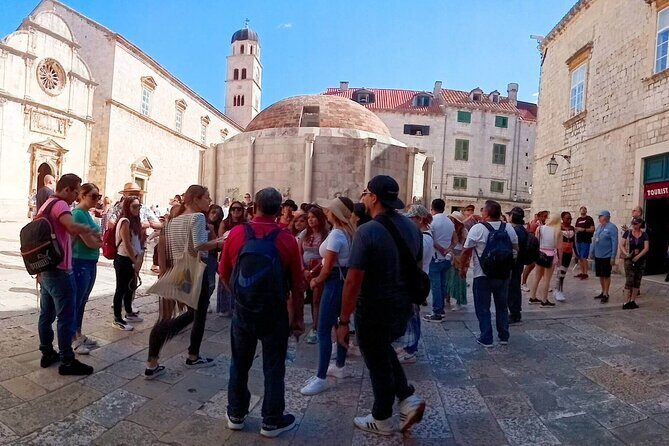
You’ll spend time around Onofrio’s Fountain, and the key value here isn’t artistic—it’s historical. The tour frames it as Dubrovnik’s main drinkable-water source until the early 1900s. That detail matters because it turns the fountain from a landmark into infrastructure.
If you’ve ever wondered why a city’s most important public spaces tend to be practical ones, this is your answer. A fountain like this sits at the center of daily routines: where people meet, where they refill, and where “civic life” happens because everyone needs the same thing.
Also, this is a smart stop timing-wise. It tends to anchor the walk early, so when you later move toward the busier streets, you already understand what you’re looking at.
Church Exteriors With Context: St. Ignatius and the Cathedral Area

A big advantage of this tour is that it keeps momentum while still giving you major sights. You’ll see Church of St. Ignatius and then the Cathedral of the Assumption of the Virgin Mary, plus nearby landmarks like Rector’s Palace and other important buildings.
Do note the style of sightseeing: there are no museum visits planned, and there’s no promise of an interior experience. So if what you want most is time inside churches for dramatic artwork and quiet space, you’ll likely need a separate plan.
But if you prefer learning while walking and saving time for your own exploration, the exterior walk-bys work well. You still get the historical meaning tied to the places, and you don’t lose the tour’s flow waiting in lines.
Stradun: The Street That Feels Like a Main Stage
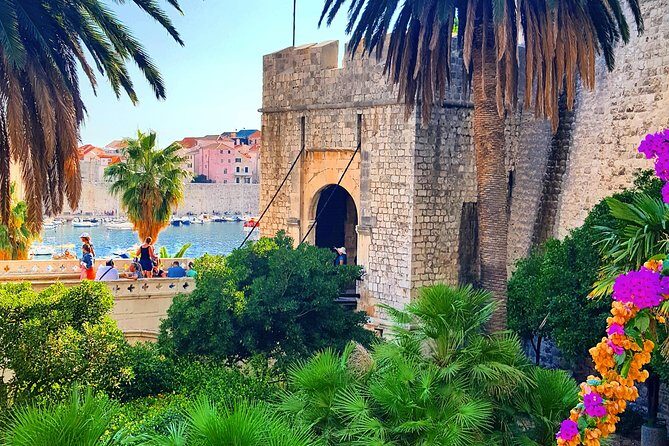
Next comes Stradun, the long main street that acts like Old Town’s public corridor. This is where you’ll start noticing the “city rhythm”—the geometry of the street, the way people move, and why so many spots are lined up for views.
A guide explanation here is practical. Once you understand Stradun’s role, you can better choose where to branch off for quieter lanes or where to return later for sunset views. The tour keeps Stradun short, but it gives you the key orientation you need.
If you’re the type who likes to explore on your own after learning the basics, this part is especially valuable. You’ll know what to call things as you walk, and you’ll stop feeling like you’re just wandering.



Franciscan Medicine Details You Can Actually Remember
One reason this tour earns strong ratings is the way the guide links history to places you can see. The Franciscans and medicine angle is a great example.
You’ll hear about how Franciscans developed medicine and about an oldest functioning pharmacy in a Franciscan monastery. Even if you’re not a medical-history person, this detail gives you a different lens for the city. Dubrovnik isn’t just about walls and towers—it’s also about how communities organized knowledge and care.
I also like that this kind of information isn’t thrown at you as a list. It’s tied to where you’re standing, so your brain keeps the thread.
Luža Square Finish: Rector’s Palace, St. Blaise, and Sponza
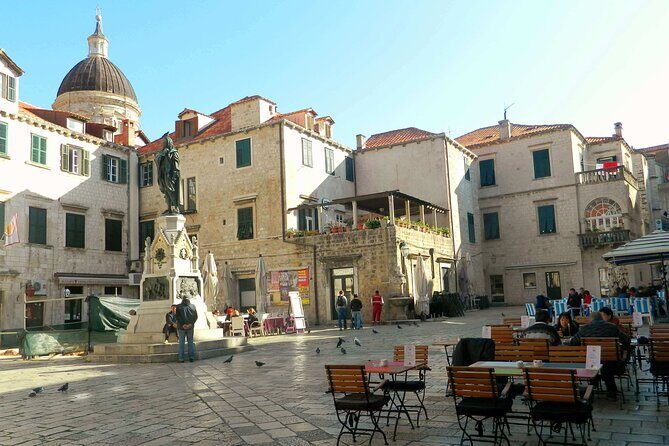
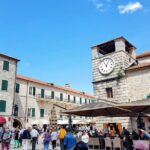
The tour ends on Luža Square, near St. Blaise’s Church, with the surrounding buildings playing a final “big picture” role. You’ll learn about Rector’s Palace, St. Blaise, and Sponza Palace, then you’re free to continue down Stradun on your own.
This ending is smart because Luža Square is where your navigation instincts kick in. By the time you reach this area, you’ve already walked the key early stops and you’re ready to choose what to do next:
- linger for a final view
- head toward Stradun for cafés and shopping
- or aim for other Old Town corners based on what the guide explained
And because the tour wraps up here rather than lingering on one single monument, you avoid the common “I saw a lot, but I don’t know where to go next” feeling.
City Harbor Stop: When Old Meets New Shipping

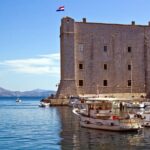
In the Old Town port area, you’ll get a quick lesson about how modern fleet took over primacy from traditional wooden-made sailing galleys. It’s a short stop, but it adds texture.
Dubrovnik’s story isn’t only political. Trade and shipping shaped wealth, connections, and architecture. When you picture older galleys alongside a harbor that later served modern fleets, Dubrovnik stops being a static postcard and starts feeling like a living trade hub across centuries.
Even on a short walking tour, this is the kind of detail that makes the city feel larger than the next camera shot.
Movie-Location Trivia: Finding Game of Thrones and More
If you’re the kind of person who watches TV and then later hunts down the actual locations, you’ll enjoy this part. The guide points out filming spots connected to Game of Thrones, Robin Hood, and Star Wars.
What makes this more than random trivia is the tying-in to the real streets and facades you’re walking past. Once you’ve heard what to look for, you’ll start spotting matching angles during your own wandering after the tour ends.
And yes, guides can make it lighter too. In this tour, you may hear playful, personal touches from your guide—names like Dorothea and Enis come up as examples of tour leaders who keep the vibe friendly and energetic.
Price and Value: What $30.04 Buys You
At about $30.04 per person for roughly 1 hour 30 minutes, this is priced like a “best first step” tour. You’re paying for a professional guide and a tight route that covers major Old Town landmarks without needing museum tickets or extra entrances.
Here’s why that can be good value:
- You get orientation plus stories, not just photos
- The guide covers multiple top sights in a short time window
- You avoid entrance fees for city walls or museums (since those aren’t part of the plan)
It’s not a bargain if you only want one attraction. But if you want a fast, structured introduction that helps you explore afterward with confidence, it’s a solid use of time.
Timing, Crowds, and Heat: How to Make It Comfortable
This is a walking tour with a moderate physical fitness level requirement. The good news is the pace is built around short stops—often just a few minutes each—so you’re not stuck in one place for too long.
Still, Dubrovnik can be intense in warm months. A guide who manages shade and pacing can make a big difference, and that’s something you can feel in how tours are run for small groups. If you can, choose a morning or later afternoon departure to avoid the harshest sun.
Also, Old Town streets can get crowded fast. If you want to hear clearly, position yourself where you’re closest to the guide during the busiest moments.
What’s Not Included (So You Don’t Get Surprised)
This tour focuses on walking and seeing key buildings. It does not plan any visits to churches or museums in the ticketed sense, and City Walls entrances and museum fees aren’t included.
Food and drinks also aren’t included. So if you’re combining this with a day of wandering, plan a snack and water stop before you run out of steam.
This “no tickets needed” approach is great for flexibility, but it’s also why you should pair it with something else if you want in-depth museum time or wall climbs.
Best Fit: Who This Dubrovnik Old Town Walk Suits
This tour works especially well if you:
- are short on time and want a high-impact introduction
- like history told through places rather than long lectures
- want to hit the major Old Town highlights without paying for extra entrances
- plan to explore more on your own afterward
It can be less ideal if you want deep interior viewing—inside churches, museums, or the city walls would require separate arrangements since those aren’t part of this walk.
And because the group is capped at 16 travelers, it tends to be friendly for questions and small-group energy.
Should You Book This Dubrovnik Old Town Walking Tour?
Book it if you want an organized, story-driven way to understand Dubrovnik quickly—especially the Republic of Ragusa angle, Onofrio’s Fountain, and the “how do I navigate from here?” feeling you get when you finish in Luža Square.
Skip or supplement it if your top priorities are interior visits (museums, churches) or climbing the city walls. This tour is built for orientation and context, not for ticket-based attractions.
If you’re deciding between doing it now versus later, I’d book early in your trip. Getting your bearings on Day 1 turns every later walk into a “I know what this is” moment.
FAQ
How long is the Dubrovnik Old Town Walking Tour?
It lasts about 1 hour 30 minutes.
What does the tour cost?
The price is $30.04 per person.
Is the tour in English?
Yes, it’s offered in English.
Where do I meet, and where does it end?
You start at Amerling Fountain (Ul. Svetog Đurđa, 20000, Dubrovnik) and end near Saint Blaise’s Church on Luža Square (Rkt. crkva sv. Vlaha, Luža ul. 2, Dubrovnik).
What’s included in the tour price?
A professional guide is included.
Are food and drinks included?
No, food and drinks are not included.
Does the tour include visits to churches or museums?
No visit to churches of museums is planned.
Are the City Walls or museum entrance fees included?
No. Entrance to City Walls and entrance fees into museums are not included.
Is there a group size limit?
Yes, the maximum group size is 16 travelers.