REVIEW · DUBROVNIK
Dubrovnik: City Walls Early Morning or Sunset Walking Tour
Book on GetYourGuide →Operated by Experience Dubrovnik · Bookable on GetYourGuide
Two kilometers of wall, zero boredom.
This guided walk turns Dubrovnik’s medieval defenses into a clear, story-driven route, with terracotta rooftops and Adriatic views in every direction—whether you go early morning or at sunset.
I love how the tour links the Old Town streets to specific strongpoints, including Minceta Tower and Bokar Fortress, so you understand what you’re looking at instead of just taking photos. I also like the steady rhythm for a 2-hour experience: stops for history, short breathers, and plenty of chances to line up great viewpoints along the walls.
One thing to weigh: the route has lots of steps, narrow walkways, and some steep stretches, and it’s not suitable for mobility impairments.
In This Review
- The Du Tour City Walls Experience: worth it for €35–€40 in extra tickets?
- Meeting at Amerling Fountain: start outside the crowd, step into the story
- Pile Gate and Stradun: the Old Town core you can’t skip
- Walls of Dubrovnik (about 1 hour on the fortifications): rooftops, cannons, and the 2-kilometer loop
- What you should look for while walking
- Fort stops that make the walk click: Bokar and Minceta
- Bokar Fortress (about 15 minutes): the practical, fortified feel
- Minceta Fortress (about 30 minutes): the long-look viewpoint
- What about other defense points like Revelin and St. John?
- Early morning vs sunset: choose the light, not just the hour
- Guide quality: why the wall feels personal with Mihaela and others
- Practical stuff that actually helps: shoes, steps, and ticket math
- Who should book this Dubrovnik City Walls walking tour?
- Should you book? My call
- FAQ
- How long is the Dubrovnik City Walls early morning or sunset walking tour?
- Where do I meet the guide?
- Is the entrance fee to the city walls included?
- What is included in the price?
- What languages are available?
- Is the tour suitable for people with mobility impairments?
The Du Tour City Walls Experience: worth it for €35–€40 in extra tickets?

Dubrovnik’s city walls are one of those sights where doing it on your own can feel… a bit like reading a textbook with the pages missing. A good guide fixes that. With a licensed professional, you get the “why” behind what you’re seeing: what each defense point was for, what the cannons meant, and how the layout helped the city survive long sieges.
Price-wise, you’re paying for the guided walking tour (the $29 figure), while the actual wall access ticket is extra. Your data points to an entrance fee around €35–€40 per person, so budget that from the start. The value is in having someone pace you and point out the right details on a long loop around the Old City, rather than guessing what’s important.
The sweet spot here is time. In about 2 hours, you cover a lot of the signature wall experience: the UNESCO Old City setting from above, the defense forts, and the big photo viewpoints over the Adriatic.
Meeting at Amerling Fountain: start outside the crowd, step into the story
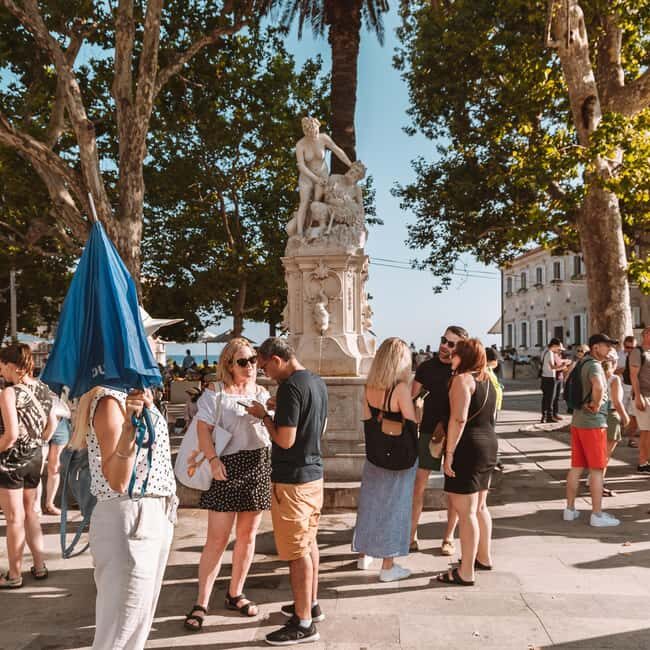
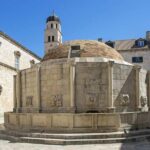
Your meet-up is at Amerling Fountain, outside the Old Town, next to Dubravka Restaurant. Look for your guide holding a blue umbrella with the Du Tour logo.
I like this setup. Starting just outside the Old Town gives you a smooth first step into the route, instead of bottling up instantly inside the busiest lanes. It also helps you understand how the wall tour connects with street-level Dubrovnik, right from the first moments.
The tour then moves toward Pile Gate, which is where many people begin exploring the Old Town. With a guide, you don’t just pass through a landmark—you get the context for why the gate matters in the city’s defensive system, and what you’re going to keep noticing once you’re up on the walls.
You can also read our reviews of more walking tours in Dubrovnik


Pile Gate and Stradun: the Old Town core you can’t skip
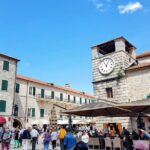
After Pile Gate (a quick introduction), you head to Stradun—the main spine of the Old Town. This is a short stop, but it’s a smart one because Stradun is where Dubrovnik’s “everyday” look shows up: the straight street energy, the tight planning of the city, and the sense of a place built to function under pressure.
Why this matters for your wall walk: when you later look down from above, you’ll understand what you’re seeing. From the walls, the rooftops and narrow lanes can become a visual puzzle. Stradun gives you the key so the puzzle makes sense.
Walls of Dubrovnik (about 1 hour on the fortifications): rooftops, cannons, and the 2-kilometer loop
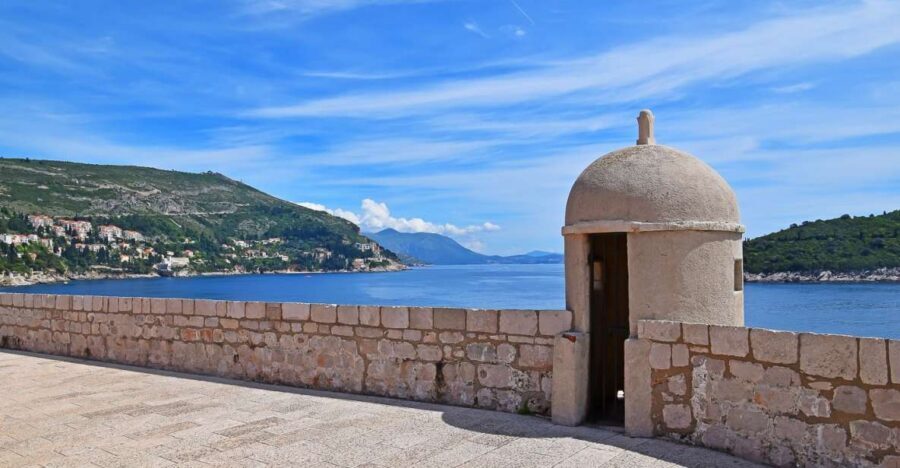
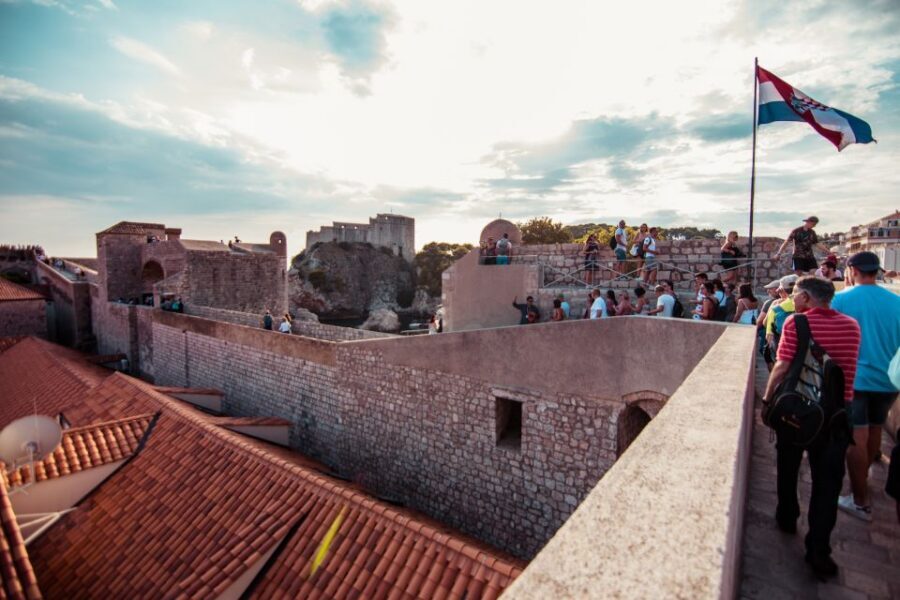
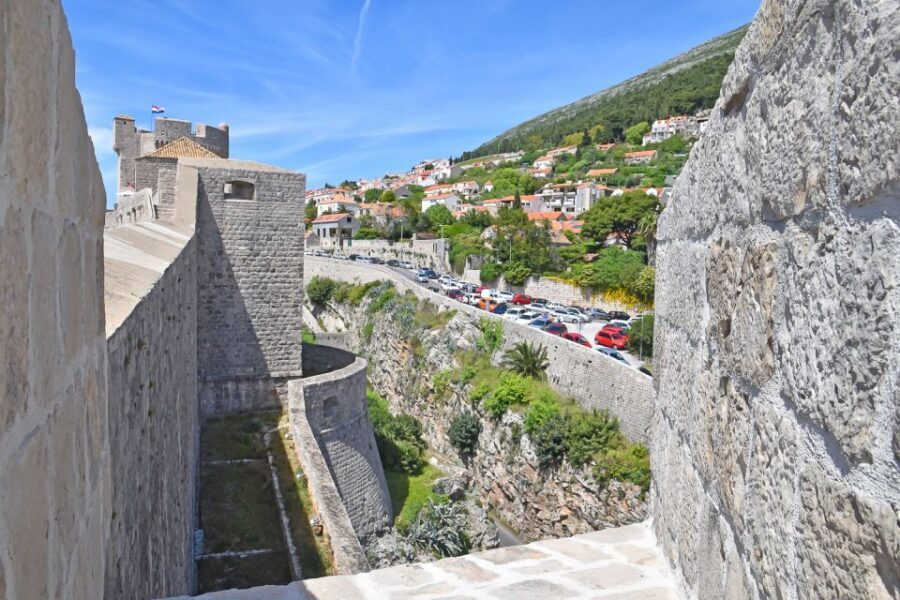
Now comes the big moment: walking the Walls of Dubrovnik, a loop of about 2 kilometers around the Old Town. UNESCO recognizes the Old City of Dubrovnik, and the walls are the reason it’s more than a pretty postcard. They’re a working example of how city planning and defense merged.
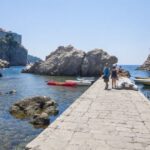
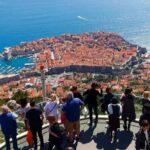
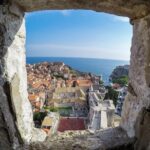
As you go, you’ll get a clear view over terracotta rooftops—the classic Dubrovnik look—plus a straight line view out toward the Adriatic Sea. One of the key takeaways from a good guide is how this view relates to defense. Seeing ships on the horizon isn’t just scenic. In centuries past, it was a practical advantage.
You’ll also focus on the best-preserved medieval elements: the tour highlights well preserved medieval cannons, and you’ll get help noticing details that most people miss when they’re walking at random.
What you should look for while walking
I always tell friends to do three things here:
- Pause at viewpoints long enough to scan left to right, not just snap one photo.
- Watch for how fort points change the line of sight along the water.
- Treat each small stop as a mini lesson: the guide’s job is to help you connect the architecture to the city’s survival.
The wall walk is scenic, yes. But it’s more satisfying when you can “read” it.
Fort stops that make the walk click: Bokar and Minceta
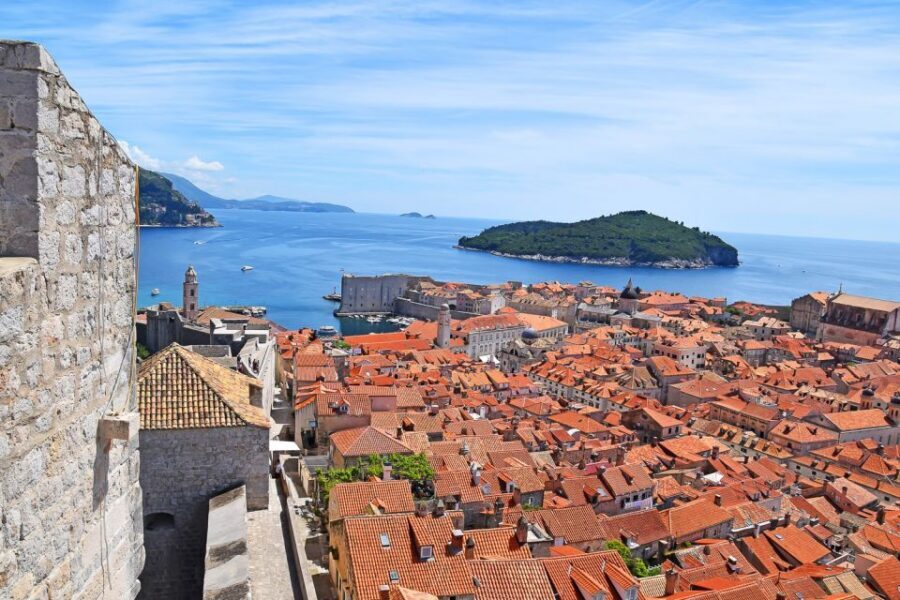
The itinerary includes two big defense stops after you’ve gotten the rhythm on the wall. These aren’t just photo breaks—they’re the parts that clarify the defensive design.
You can also read our reviews of more city tours in Dubrovnik
Bokar Fortress (about 15 minutes): the practical, fortified feel
Bokar Fortress is on the route as a focused stop. Expect a short deepening of the story: what this section protected, how the position works relative to the walls, and why these forts weren’t decorative.
I like this mid-tour segment because it helps you avoid the common trap of wall tours where everything blurs together into steps and views. Bokar gives you a “this is why this point exists” anchor before the big highlight comes next.
Minceta Fortress (about 30 minutes): the long-look viewpoint
Minceta Fortress (often linked with the famous Minceta Tower area) is built for watching and defending. It’s also one of the best segments for those terracotta-rooftop views from above.
The longer time here matters. You’ll have a better chance to slow down, get photos without rushing, and absorb the way the wall system connects the Old Town perimeter.
If you’re going specifically for views, Minceta is the stop where you’ll feel the payoff the most.
What about other defense points like Revelin and St. John?
Your experience description also calls out defense forts including Revelin Fortress and St. John Fort as part of the wall experience. Even if timing is spread out across the route, keep your eyes open for those key defense landmarks as the guide cues you along the way. This is one reason a guided walk beats self-guided strolling: the forts aren’t all equally obvious at first glance.
Early morning vs sunset: choose the light, not just the hour
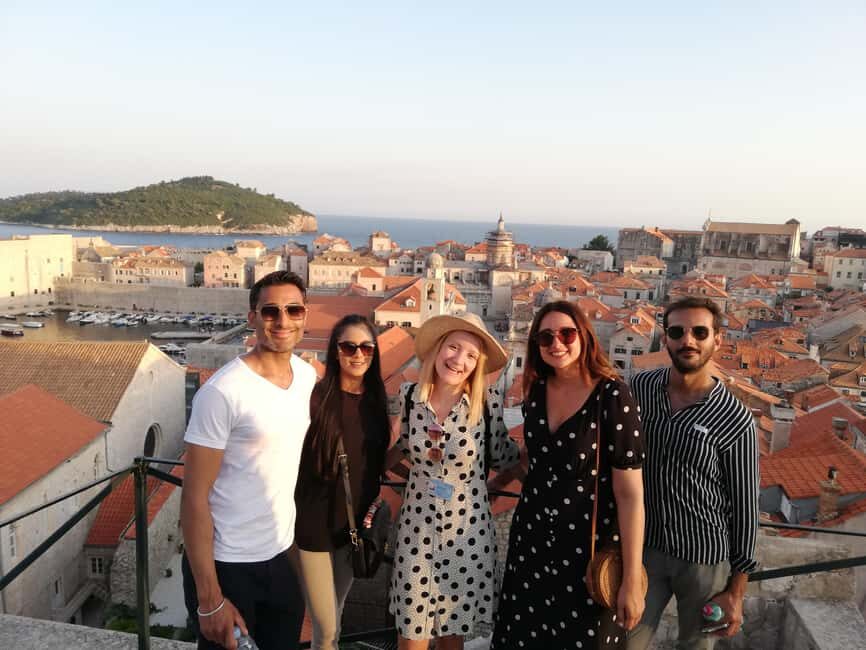
Dubrovnik is gorgeous at almost any time, but the feel changes fast between early morning and sunset.
From the info you provided, one early-morning approach gets extra praise for being cooler and for letting you walk before late morning heat. Another sunset option is repeatedly called a great choice for the golden lighting and a more comfortable temperature compared with midday.
Here’s the way I’d decide:
- Pick early morning if you want the walk to feel calmer and cooler, and you like arriving before the city ramps up.
- Pick sunset if you want the classic warm light on terracotta rooftops and you enjoy closing the day with sea views.
Either way, you’re doing the same core route around the wall. The difference is how the city looks and how the walk feels in your body.
Guide quality: why the wall feels personal with Mihaela and others
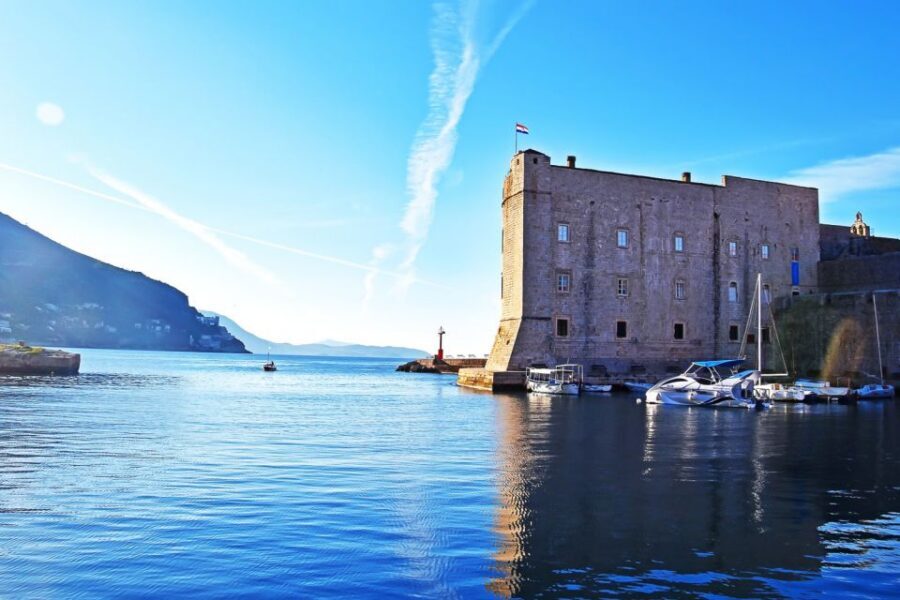
A lot of the strongest praise in your provided details comes down to guide style. People are specifically praising friendliness, professionalism, and real love for Dubrovnik.
Names that show up with standout mentions include Michaela/Mihaela, Matea, Disa, Desa, and Anne-Femica. Across the feedback, the consistent pattern is:
- Guides explain the history in a way that stays clear while you’re walking.
- They answer questions instead of brushing you off.
- They keep a pace that lets people take photos and catch their breath.
- They sometimes include practical planning points, like a planned break half way through for refreshments and toilets.
This is important. On a wall walk, you’re balancing stairs, sun or wind, and constant scenery. If the guide rushes, you miss the point. If they go too slowly, you lose momentum. The best guides in this set do the math for you and keep the tour feeling relaxed, even though it’s physically demanding.
A nice bonus from the feedback: several guides lean into the more recent story too, including the Homeland War (1991–1995). Dubrovnik was renewed after conflict, and the damage isn’t visible in the same way you might expect. A guide’s explanation helps you connect what survived, what changed, and why the renewal matters.
If you’re planning other stops, it can also help to ask your guide how the wall story connects with the Homeland War exhibition/museum you might see elsewhere in town (one note mentioned it as worth pairing with your wall time).
Practical stuff that actually helps: shoes, steps, and ticket math
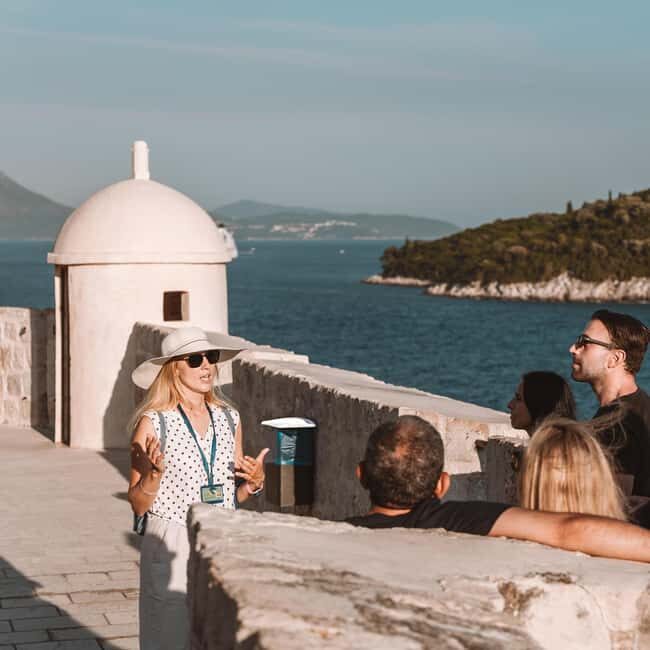
Let’s be blunt: this is a wall walk. That means stairs. It also means some narrow and steep stretches. Your experience data says it’s not suitable for people with mobility impairments, and multiple notes underline the same reality: you should be comfortable with steps, uneven footing, and heights.
Here’s what I’d bring and how I’d plan:
- Wear comfortable shoes with good grip.
- If you fear heights, think carefully before booking, since some portions are high and exposed.
- Bring a light layer. Even in pleasant months, wind can hit at wall height.
Then there’s the ticket math:
- The tour cost covers the guided walking tour.
- The wall access ticket is not included, and the fee is listed in your details as around €35–€40 per person.
- You can usually purchase at the official website or the ticket office.
One small strategy: book the tour first, then buy your wall ticket so you don’t get stuck wondering when you could enter. Your tour experience info strongly suggests you’ll want a pass ready rather than scrambling at the last second.
Who should book this Dubrovnik City Walls walking tour?
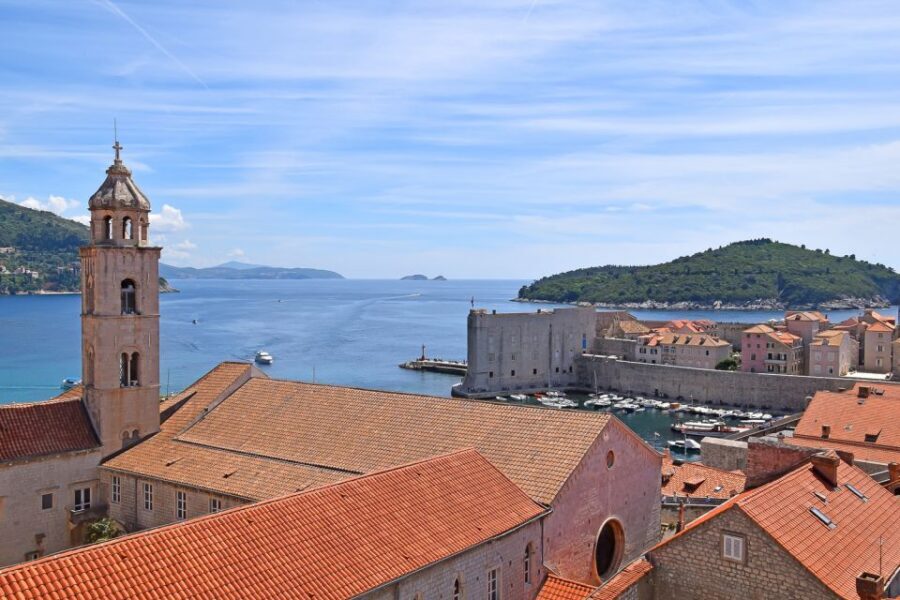
This works best if you:
- Want the story behind the views, not just a loop around the Old Town.
- Enjoy history, but prefer it explained while you walk instead of in a classroom.
- Want a manageable time commitment: 2 hours is a realistic chunk of time that still leaves room for the rest of your Dubrovnik day.
Skip it (or consider an alternate plan) if you:
- Have mobility limitations that make stairs and steep sections hard.
- Struggle with heights and exposed walkways.
- Expect something mostly flat.
If you’re fit enough for steps, though, you’ll likely find it one of the most efficient ways to see Dubrovnik’s signature “from above” views without feeling lost.
Should you book? My call
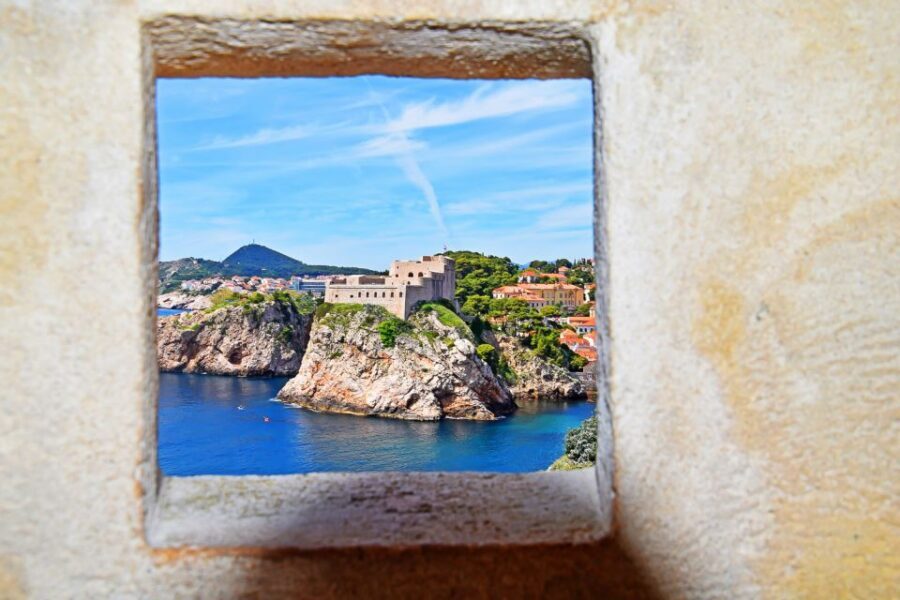
Yes, I’d book this if you’re planning a first or second trip day to Dubrovnik and you want the walls to make sense. The biggest value is the guided connection between the Old Town streets and the specific fort points—plus the way guides keep the walk organized so you get viewpoints and explanations without turning it into an exhausting hike.
Just be honest with yourself about the physical side. Bring good shoes, expect steps and heights, and factor the extra €35–€40 wall entrance ticket into your budget. If you do that, you’ll come away with the feeling that you didn’t just walk the walls—you understood them.
FAQ
How long is the Dubrovnik City Walls early morning or sunset walking tour?
The tour lasts 2 hours.
Where do I meet the guide?
Meet at Amerling Fountain, outside the old town next to Dubravka Restaurant. Look for a guide holding a blue umbrella with a Du Tour logo.
Is the entrance fee to the city walls included?
No. The city wall entrance ticket is not included. The entrance fee is listed as €35 per person (and also appears as €40 per person in the activity details). You can purchase at the official City Walls website or at the ticket office.
What is included in the price?
You get a guided walking tour of the city walls with a professional licensed tour guide.
What languages are available?
The live guide is offered in English, German, Spanish, Portuguese, and French.
Is the tour suitable for people with mobility impairments?
No. The activity is listed as not suitable for people with mobility impairments. The route includes stairs and steep, narrow sections.
If you want, tell me your travel month and whether you prefer early morning or sunset, and I’ll help you pick the better option based on the walking feel.