REVIEW · DUBROVNIK
2 hrs Guided Tour to CAVTAT a Small Place for Great Art
Book on Viator →Bookable on Viator
Cavtat feels like art class with salt air. This 2-hour guided trip is built around Cavtat’s creative legacy and St. Roch Cemetery viewpoints, tied together with shipwreck stories and a slow walk by the sea. You’ll get a tight route that still covers a lot: Roman-era Epidaurum roots, local artists, and maritime history in a place that stays human-scaled.
I especially like how the tour balances big-picture history with small, physical places you can stand in—like the cemetery high above the town and the Rat Peninsula promenade. I also like that you get real art context through the Račić family mausoleum and the Ivan Meštrović connection, not just a quick mention and move on. One possible drawback: the walk includes a climb up to the mausoleum area, so wear comfortable shoes and expect some uneven steps.
In This Review
- Why This 2-Hour Cavtat Tour Works So Well
- Meeting Point Timing: What to Know Before You Go
- Stop 1: St. Roch Cemetery and the View Over Cavtat
- Stop 2: Cavtat Old Town, Roman Epidaurum, and Shipwreck Stories
- Stop 3: Kari’s Walking Path on the Rat Peninsula
- What I’d Call the Tour’s Best Bits (and Why)
- Who This Tour Fits Best (and Who Might Skip It)
- Tips to Get More Out of Your 2 Hours
- Value Check: Is $60.21 Worth It?
- Should You Book This Cavtat Tour?
- FAQ
- How long is the guided tour?
- Where does the tour start?
- Where does the tour end?
- What language is the tour offered in?
- Is admission included?
- What is the group size limit?
- Are service animals allowed and is it near public transportation?
Why This 2-Hour Cavtat Tour Works So Well
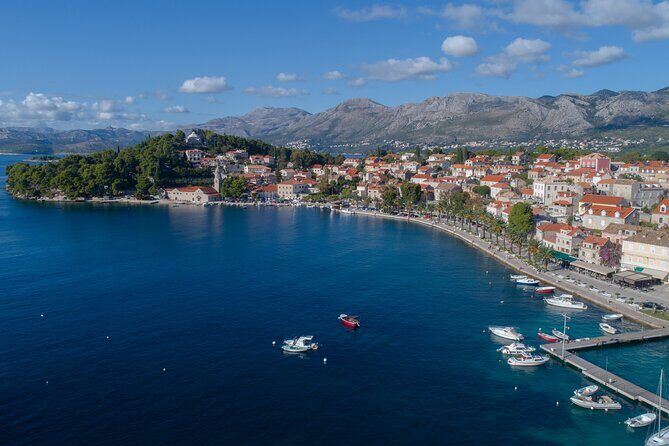
Cavtat sits just outside Dubrovnik, but it does not feel like a copy. On this tour, you get that rare mix: a compact route and enough time to actually look around. It’s guided, in English, and sized for comfort with a maximum group size of 30.
You start and end in Cavtat, so it’s easy to stitch into your day. The schedule is short enough that you won’t feel rushed, but long enough that your guide can connect places and stories. You’ll also use a mobile ticket, which keeps things simple once you’re in town.
Price-wise, $60.21 per person can sound steep until you look at what’s included. The cemetery stop has an admission ticket included, while the other segments are free of admission charges. That makes the money feel more like you’re paying for a guided thread across the best viewpoints and art-linked sites, rather than paying for entry fees you won’t enjoy.
Meeting Point Timing: What to Know Before You Go
The tour starts at Šetalište Rat 2 at 10:00 am, and it ends at Spinaker Restaurant & Lounge Bar on Frankopanska ul. in Cavtat. The start point is described as being in the garden on the north side of Hotel Croatia, on the remains of ancient Epidaurus—an extra little hint that you’re beginning with the deepest historical layer.
Plan to arrive a few minutes early. Cavtat is walkable, but finding the exact spot on a busy cruise/shore-day can cost time. Once you’re in the right place, the rest is straightforward: you’ll follow the guide from stop to stop, with about half the tour spent outdoors and built around views.
You can also read our reviews of more guided tours in Dubrovnik



Stop 1: St. Roch Cemetery and the View Over Cavtat
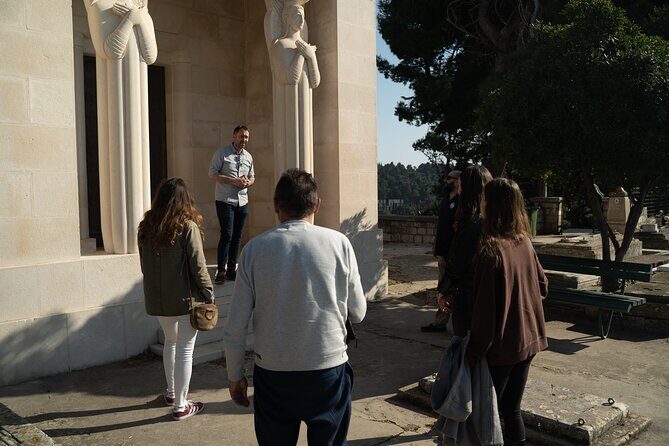
The tour’s first major moment is St. Roch Cemetery, the highest point on the Rat Peninsula. Even if you’re not usually a cemetery person, this one earns its place on the itinerary because of what it overlooks. You don’t just pass through; you pause in a place that gives you an instant sense of where Cavtat sits, how the shoreline curves, and why this spot mattered to the town.
Here’s what makes this stop special for art lovers: it includes the Račić family mausoleum, created by Croatian sculptor Ivan Meštrović. That name alone carries weight in Croatian art history, and the tour gives you the human reason to care. You’ll connect a specific work to the families and identity of Cavtat, which is more meaningful than just photographing a stone and moving on.
Practical consideration: cemeteries are not where you want brand-new shoes. There can be steps and uneven ground, and you’ll likely stand for photos and discussion at a viewpoint. If you’re sensitive to hills, note that this is the highest point, and plan to take it slow.
Stop 2: Cavtat Old Town, Roman Epidaurum, and Shipwreck Stories
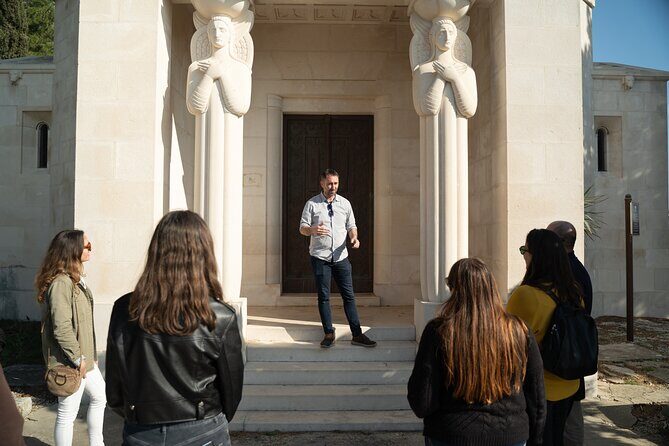
Next comes Cavtat Old Town, where the tour shifts from view-based art to narrative history. The guide turns the small town into a cultural hub by explaining how artists put Cavtat on the national creative map. You’ll learn about two Croatian artists linked to the town’s cultural reputation—one known for an enormous body of painterly work, and one associated with a sculptor’s architectural masterpiece that’s described as a testimony connected to love and death.
Then the tour zooms out to the deep past. You’ll travel roughly 2,000 years back to when Cavtat was the Roman colony of Epidaurum. The key value here isn’t memorizing dates. It’s understanding why so little remains. When a place has been built over for centuries, the traces can be faint—but the stories explain what the absence means, not just that it’s missing.
One of the most interesting parts for me is the maritime angle. Cavtat’s location means it lived with the sea, for better and worse. The guide shares shipwreck stories connected to Cavtat Port, and you’ll connect that to the town’s colonial history. Even if you don’t picture every detail, you start to “see” Cavtat as a trading and seafaring town, not just a coastal stop on a longer trip.
Stop 3: Kari’s Walking Path on the Rat Peninsula
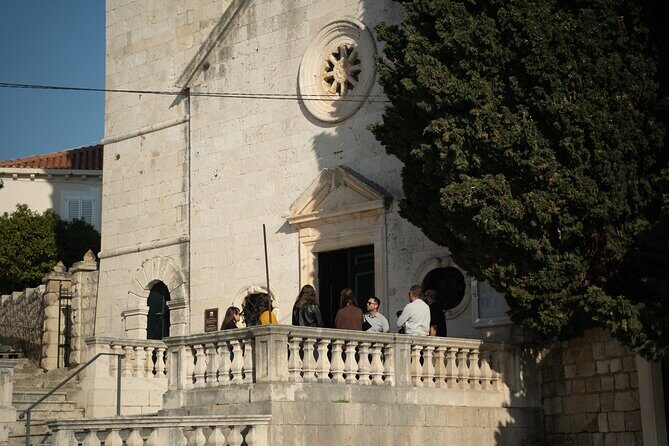
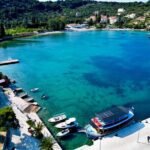
The final segment is a walk around the Rat Peninsula via Kari’s Walking Path. This is the part that makes the tour feel pleasant rather than exhausting. The promenade is described as mostly in the shade, which matters in warm months when sunlight can turn a short stroll into a long slog.
This walk has two big rewards:
- Sea-facing views that help you connect what you saw in the cemetery viewpoint to the coastline at ground level.
- The mausoleum access, done via a leisurely climb. So you’re not just told about the cemetery art—you get the physical context of where it sits and how it connects to the peninsula’s paths.
You’ll also get a clearer sense of how Cavtat relates to Dubrovnik across the water. That’s one of those “small” takeaways that changes how you look at the region afterward.
Time is tight here: about 30 minutes. That means you should plan on stopping for photos when the guide suggests it, but still keeping a steady pace so you don’t miss the whole route.
What I’d Call the Tour’s Best Bits (and Why)

This experience gets strong marks because it hits the sweet spot for many visitors: high-impact sights, controlled time, and a guide who can explain how everything fits together.
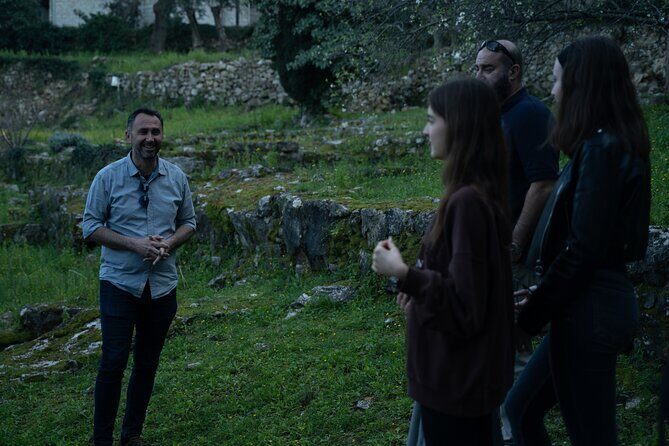
The most praised aspects focus on the guide quality and pacing. For example, a name that comes up for Cavtat tours in this area is Vedran Mezei, who is described as warm, passionate, and careful about walking limits. The common thread in that feedback is simple: good guides stop when they should—at the right photo points, for answers, and at a pace that feels respectful.
You also get practical value from the structure. Admission at the cemetery is included, while other segments are free of admission charges, which keeps the out-of-pocket cost from ballooning during the tour.
And then there’s the content focus. The art and mausoleum detail gives you something concrete to look at. The Roman Epidaurum context gives you a reason to care about stones you might otherwise ignore. The shipwreck stories tie it all back to the sea that shaped the town’s choices for centuries.



Who This Tour Fits Best (and Who Might Skip It)
I think this tour is ideal if you:
- Want a short, guided route that still feels like real sightseeing.
- Like art tied to place, not art as a detached museum object.
- Enjoy history stories that explain why evidence is missing or why a town changed.
- Prefer walking that’s mostly a promenade, with a manageable climb rather than a long hike.
You might consider skipping it if:
- You dislike cemetery settings at all (even though this one is chosen for viewpoint and art).
- You want a longer deep-history day with more stops and free time in cafés.
- You’re looking for a hands-on workshop or museum-style program, since this is a guided walk-and-look experience.
Tips to Get More Out of Your 2 Hours
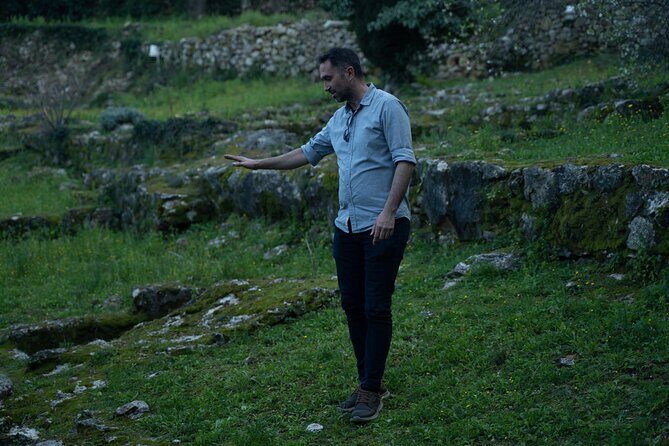
A few small choices make a big difference on this kind of walking tour:
- Wear shoes you trust. The route includes a climb to the mausoleum area and standing for views.
- Bring a light layer if you’re doing this in shoulder season, since coastal shade can feel cooler.
- Have your camera ready for the cemetery viewpoint and the Rat Peninsula sea views.
- If you’re unsure about your walking pace, mention it early to your guide. One of the praised qualities tied to this area’s guides is adjusting the pace and taking breaks when needed.
Value Check: Is $60.21 Worth It?

For $60.21 per person, you’re paying for a guided plan that strings together three different “modes” of Cavtat: viewpoint art (cemetery), city history (Old Town), and sea promenade (Rat Peninsula).
The best value logic is the inclusion of cemetery admission and the fact that the tour time is short but curated. If you were doing this on your own, you might visit the Old Town and wander the waterfront, but you’d likely miss the connections: the specific sculptor tie, the Roman Epidaurum framing, and the shipwreck storytelling that explains how the port shaped the town’s identity.
So yes, it’s a paid tour—but it reads like you’re buying interpretation, not just movement.
Should You Book This Cavtat Tour?
Book it if you want a compact introduction to Cavtat that goes beyond pretty streets. This tour is strong when you’re the kind of traveler who likes to understand what you’re seeing—why the place matters, who created the art, and how the sea history still shapes the town.
Skip it if you already know Cavtat well and want hours of free exploration without guided structure. Also skip if you want a totally flat route; the cemetery viewpoint and mausoleum climb mean some elevation.
If you’re visiting Dubrovnik and want to spend a smaller slice of your time somewhere more local-feeling, this is a smart use of a half-day window. You’ll leave with a clear mental map of Cavtat: where the artists connect, where the Roman past begins, and why the shoreline stories are never far away.
FAQ
How long is the guided tour?
The tour lasts about 2 hours.
Where does the tour start?
It starts at Šetalište Rat 2, 20210, Cavtat, Croatia, with the description noting the garden on the north side of Hotel Croatia on the remains of ancient Epidaurus.
Where does the tour end?
It ends at Spinaker Restaurant & Lounge Bar, Frankopanska ul. 10, 20210, Cavtat, Croatia.
What language is the tour offered in?
The tour is offered in English.
Is admission included?
Admission ticket is included for the Cavtat Cemetery stop. Admission is free for the other parts described.
What is the group size limit?
The tour has a maximum of 30 travelers.
Are service animals allowed and is it near public transportation?
Service animals are allowed, and the tour is near public transportation.
If you want, tell me when you’re visiting (month helps), and whether you’re starting from Dubrovnik city center or staying in Cavtat—I can suggest a simple day plan around this 10:00 am departure.