REVIEW · DUBROVNIK
Dubrovnik: City Walls Guided Tour-Small Group Experience
Book on GetYourGuide →Operated by Stroll'n'Roll Dubrovnik · Bookable on GetYourGuide
Walls change how you see Dubrovnik fast. This small-group walk along the city walls turns postcard views into real context, with a guide who explains what you’re looking at as you go.
I especially like how the tour connects the fortifications to the people and power behind them. You also get the kind of practical guidance that helps you plan the rest of your day, not just passively “see the sights.”
One thing to consider: wall access tickets are not included, so you’ll need to buy them separately before the tour begins (or use Dubrovnik Pass online). If you forget, your start can get messy.
In This Review
- Key things to know before you go
- Why Dubrovnik’s Walls Feel Like a Time Machine in Two Hours
- Finding the Meeting Point: Velika Onofrijeva Fontana Inside the Walls
- The Walk Itself: What the Fortifications Teach You While You See Them
- Towers, Bastions, and the Defense Logic You Can Actually Visualize
- Drama and Daily Life: The Events That Shaped Dubrovnik
- Price and Tickets: What You’re Paying For (and What You Must Add)
- Small Group Pacing and Getting Help for the Rest of Your Dubrovnik Day
- Who This Tour Fits Best (and Who Should Skip It)
- Should You Book This Dubrovnik City Walls Guided Tour?
- FAQ
- How long is the Dubrovnik City Walls guided tour?
- Where do I meet the guide?
- Are wall access tickets included in the price?
- How big is the group?
- What language is the tour guide?
- What should I bring for the tour?
Key things to know before you go

- Small group, max 10 people makes the pacing feel calmer and more personal
- English live guide keeps the stories clear while you’re walking the walls
- Velika Onofrijeva Fontana is your landmark starting point inside the walls
- Towers and bastions explained in plain terms so you understand the defense system
- Scenic viewpoints built into the route for photos without rushing
- Two hours on foot means comfortable shoes and water matter
Why Dubrovnik’s Walls Feel Like a Time Machine in Two Hours

Dubrovnik’s walls aren’t just for looking. When you walk them with a guide, the whole city suddenly makes sense as a defensive machine, a political statement, and a daily backdrop for real lives. In a compact 2-hour format, you get the big picture without spending a whole day marathoning the coastline.
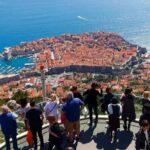
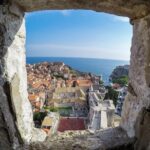
What I like most is the way the tour balances two kinds of payoff. First, you get the visual wow—wide views over the Old City roofs and out toward the Adriatic. Second, you get meaning: why towers and bastions were built the way they were, and how changes over time reflect dramatic events that shaped Dubrovnik.
The best part is that the guide doesn’t just recite dates. The stories land because they connect to shapes you can actually see while you’re on the wall. That’s what makes the walk feel active instead of like a long museum corridor.
Is it for everyone? Mostly, yes. But you should expect steady walking and standing at viewpoints. If you’re not into being outside in sun and wind, plan for that. Bring a hat, drink water, and keep your shoes ready for stone.
You can also read our reviews of more guided tours in Dubrovnik



Finding the Meeting Point: Velika Onofrijeva Fontana Inside the Walls
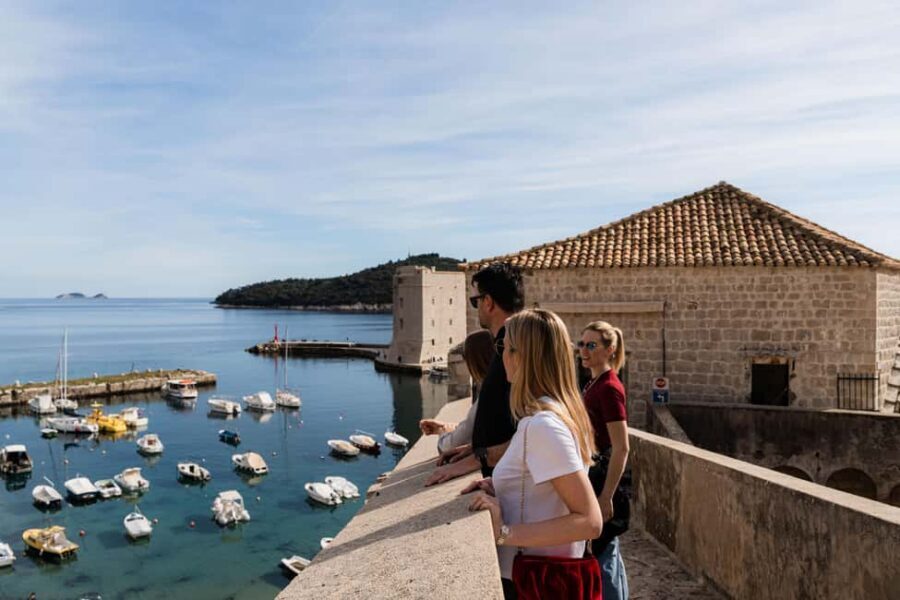
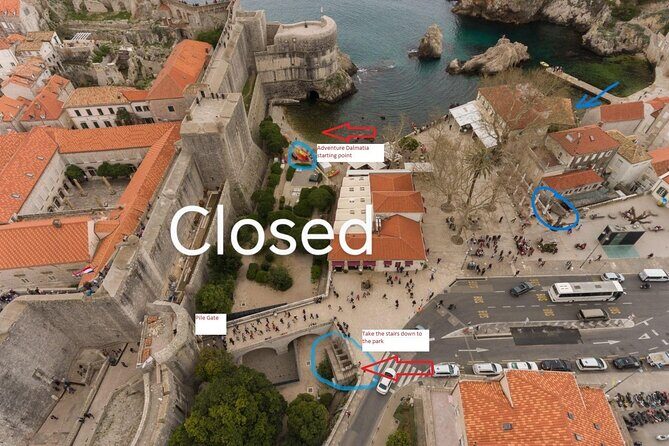
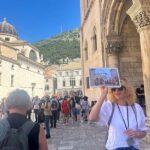
Your tour starts near the Velika Onofrijeva Fontana—the large Onofrio Fountain area. The meeting spot is next to it, by the entrance to a Dali exhibition, under two orange trees, and within the walls. That matters because it saves you from the usual scramble of trying to find a random gate in a maze of stone streets.
If you like arriving early (and I do), aim to be there with time to orient yourself. The “within the walls” part can fool you if you’re used to walking toward an outer gate first. Think of it as: you’re already in the Old City world when the tour begins.
Plan on a short wait if you’re late. There’s a 10-minute waiting time before the group moves on because of the limited small-group size. So set a realistic buffer for your walk from where you’re staying.
You don’t need fancy gear. Just expect a walking tour with stops for views and explanations. Comfortable shoes are non-negotiable, and a hat helps a lot during the outdoor stretches.
The Walk Itself: What the Fortifications Teach You While You See Them
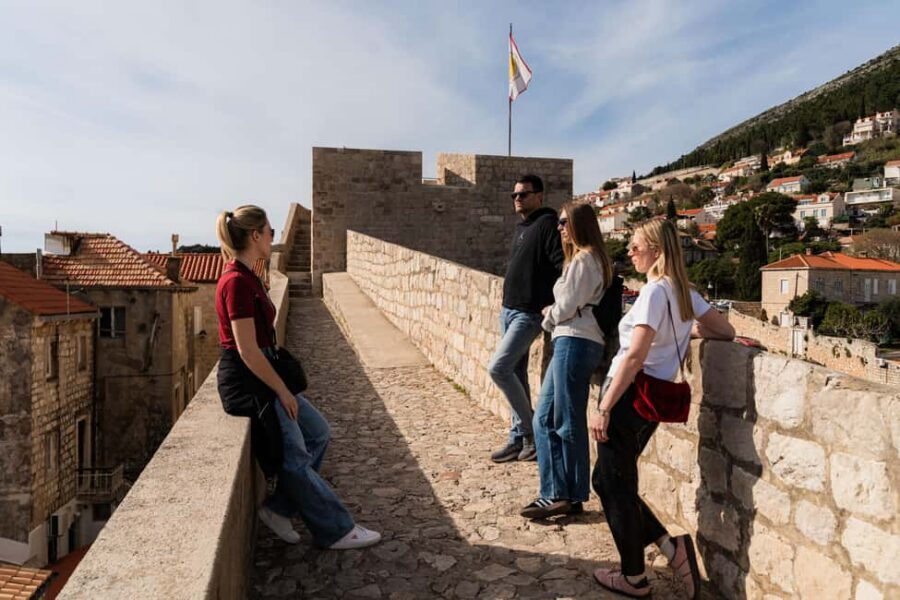
The core experience is simple: walk the wall circuit with guidance, then return to the same fountain. Even without getting into every technical detail, your guide will point out features you might otherwise miss—differences in structure, where defenses would be strengthened, and how the wall helped protect the city’s heart.
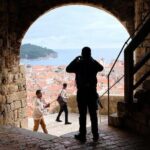
As you move along, the route turns into a classroom with the city as your textbook. You’ll get to see medieval architecture from a different angle—high enough to understand the layout, but close enough to notice the building texture and the way the streets below connect.
One practical reason this kind of tour works well: you get the context while you’re still there. If you just look at the walls on your own, it can turn into “cool stone, beautiful views.” With a guide, you start thinking like a builder: Where would attackers approach? Where would defenders have the advantage? That mental shift makes the whole walk more satisfying.
You’ll also get stops for scenic views on the way. The timing is designed for a smooth pace over two hours, so you’re not stuck doing the full wall loop in a single exhausting session. It’s a smart way to sample the best parts and still have energy left for the rest of Dubrovnik.
Towers, Bastions, and the Defense Logic You Can Actually Visualize
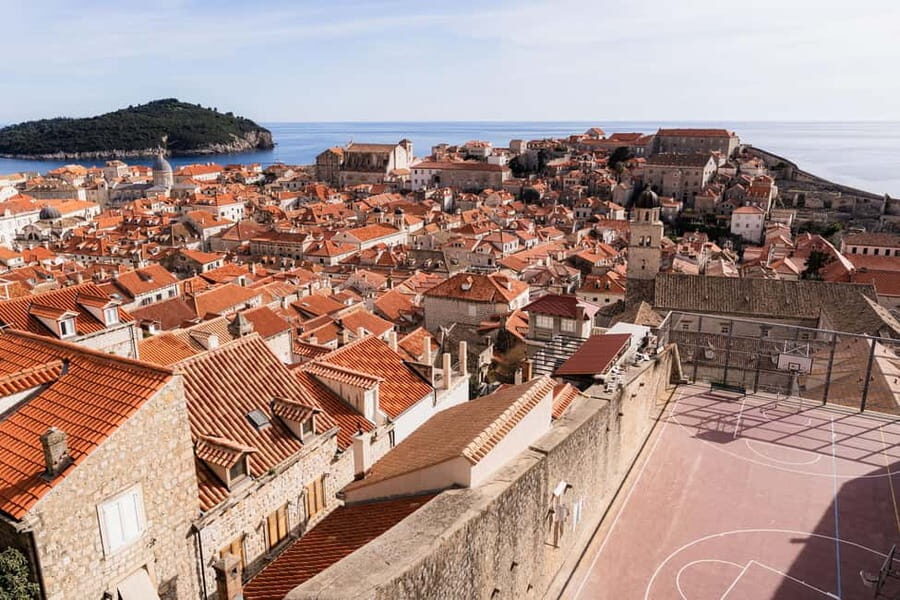
The standout educational element is the focus on towers and bastions. These aren’t just decorative spikes on the skyline. They’re practical tools of defense—places for observation, controlled firing positions, and strongpoints that shape how an attack could unfold.
A good guide can make this click fast, and the tour is built around that idea. You’ll learn why towers mattered, what bastions were designed to do, and how the wall’s structure reflects Dubrovnik’s priorities at different moments in time. The goal is not to memorize fortification terms. The goal is to look at the wall and understand what you’re seeing.
This is also where small-group dynamics help. With fewer people, the guide can spend a little more time on the points that matter most to the group. It’s easier to ask quick questions or pause without feeling like the whole line is stuck behind you.
If you enjoy photos, this is also the segment where viewpoints start to pay off. Knowing what feature you’re photographing makes the image feel more meaningful later. Instead of another skyline shot, you get a “now I understand what that part is” kind of memory.
And yes, the views are a big part of why you’re here. But the tower-and-bastion explanation adds a layer that stays with you, long after you step off the wall.
Drama and Daily Life: The Events That Shaped Dubrovnik
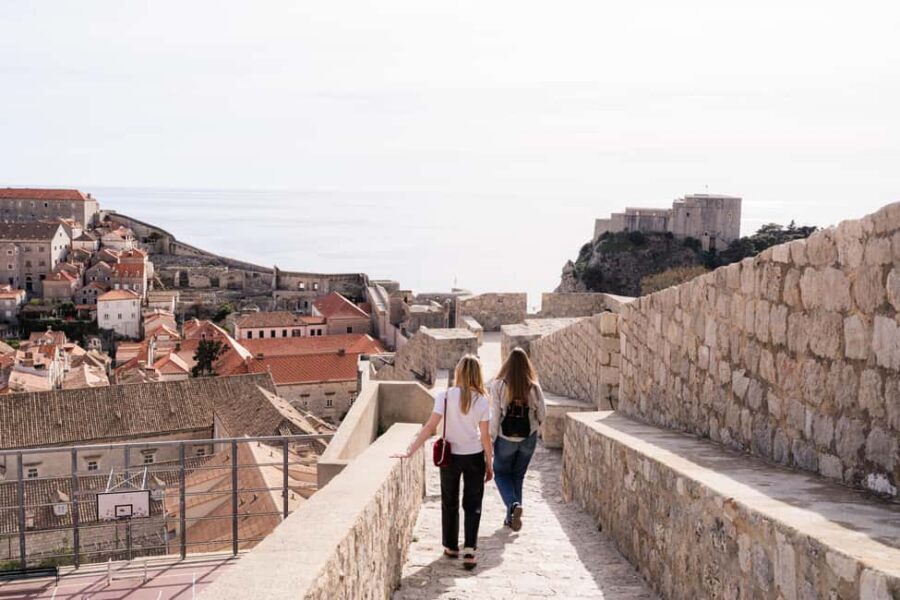
Dubrovnik’s walls are inseparable from conflict. As you walk, your guide shares dramatic events that have shaped the city’s history—stories that explain why the fortifications were valued so intensely and how Dubrovnik responded over time.
What I find helpful is the way the stories connect to the physical space. When you hear about past threats or turning points, the wall stops being a static monument. It becomes a living response to pressure. That’s the difference between hearing about history and actually seeing why it mattered.
You’ll also hear about daily life in the past. That’s a key balance. It keeps the tour from becoming only military facts and dates. Instead, it paints a picture of how the city functioned from a human angle—how people lived alongside walls that were built to protect, not to imprison.
That daily-life layer is what makes the tour feel more complete. Towers and bastions are impressive, but the real goal is understanding the city as a place where people worked, walked, gathered, and tried to keep life going through change.
And if you want one more practical benefit: the guide is set up to help you plan your stay. You’ll get recommendations from someone who knows what’s worth your time once the tour is over.
Guides you may encounter include Matea and Ivana, and the common thread in their approach is clear explanation plus useful suggestions for what to do next.
You can also read our reviews of more city tours in Dubrovnik
Price and Tickets: What You’re Paying For (and What You Must Add)
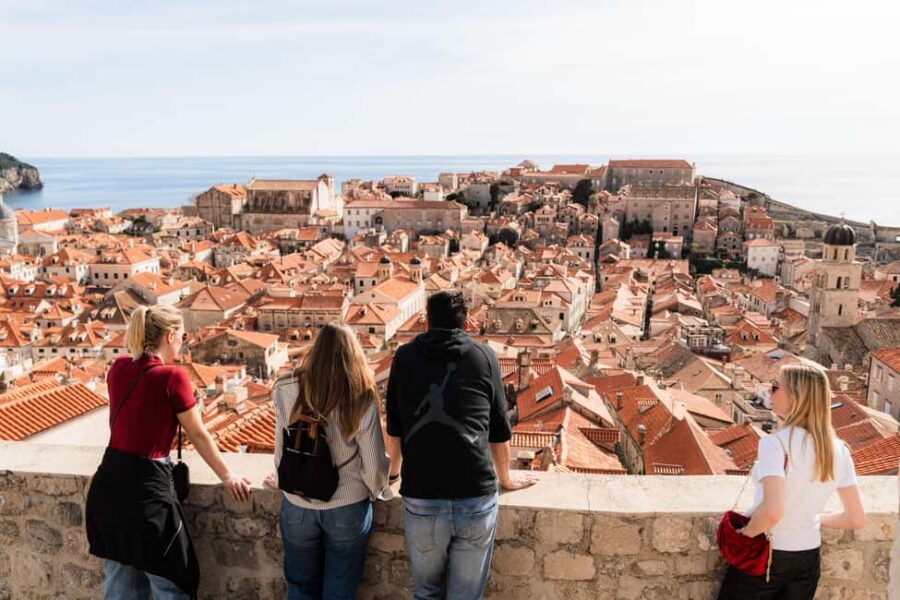
At $70 per person for about 2 hours, this tour is in the “worth it if you want the stories” category. You’re paying for guided interpretation of a place that can otherwise feel like generic sightseeing—pretty views, yes, but easier to forget if you don’t understand what you’re seeing.
One important point: tickets to access the walls are not included. You need to buy them separately before the tour starts, either at the entrance or via Dubrovnik Pass online. This is the main cost-related gotcha. If you show up without tickets, you’re stuck solving it while the group is ready to move.
So think of the $70 as the guide + time on the wall route with context. The wall entrance fee is the separate entry cost for the attraction itself.
To get value, treat the tour as your “orientation layer.” You’ll understand the major defensive features and the historical framing while you’re physically on the structure. Then when you later explore on your own, you’ll know what you’re looking at. That’s how $70 turns into more than an hour of walking.
Also, with a small group limited to 10 participants, you get a steadier pace and more room for questions than you would with huge bus-style groups. That’s practical value, not just comfort.
Small Group Pacing and Getting Help for the Rest of Your Dubrovnik Day
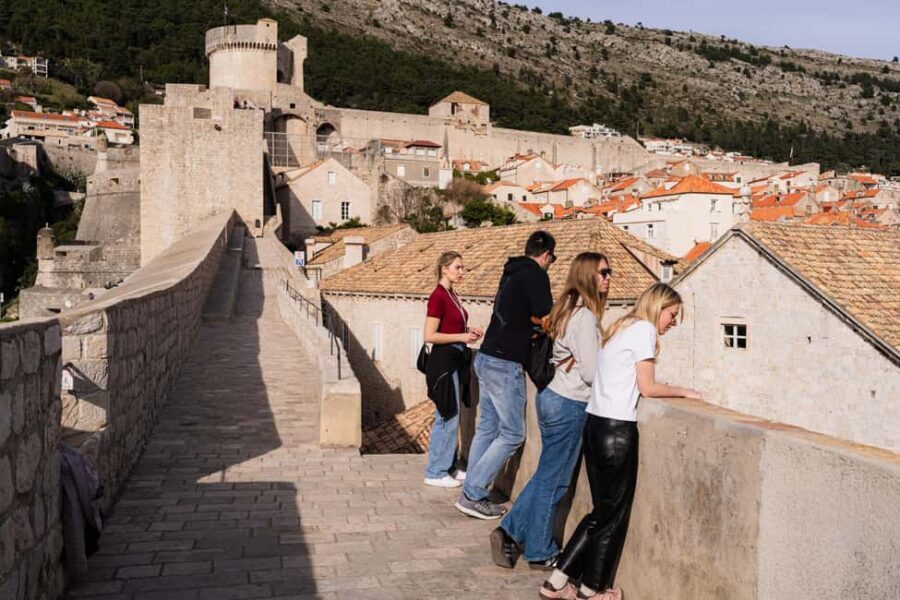
The group size is capped at 10, and that changes the feel of the tour. You’re not constantly stepping over other people’s photos, and the guide can keep the explanations moving without leaving half the group behind.
Pacing is another reason people like this tour. The route includes viewpoint moments, but it’s designed to fit a 2-hour timeline without turning into a sprint. That matters because Dubrovnik’s Old City streets are still waiting after you step off the wall.
One extra perk you’ll appreciate: the guide provides recommendations for your stay. That can help you avoid spending time guessing—like deciding what to do next, when to go, and how to structure your day so you’re not cramming everything into one exhausting loop.
In real life, that kind of advice is often more useful than another “see this, then that” checklist. For example, if you’re deciding between viewpoints, museums, and walking routes, a guide who’s been around the city’s flow can point you toward choices that match your interests.
And if you’re lucky, the group may be very small. A tour can run just a couple of people, which turns it from a group outing into something closer to a shared walk with a local guide.
Who This Tour Fits Best (and Who Should Skip It)
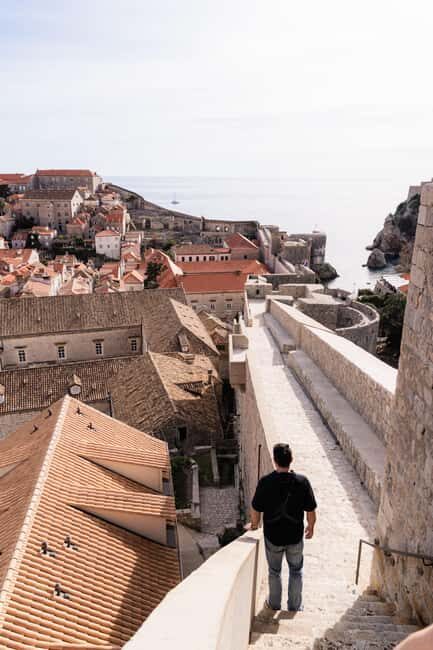
This tour is best for you if you want:
- an easy-to-follow 2-hour wall experience
- English narration that explains what you’re seeing
- a guide who shares both defense details and human-scale context
- photos that you’ll understand later, not just click and forget
You should also like it if you’re the type who enjoys learning while walking. The guide’s goal is to make the structure readable—so you don’t have to study a diagram first.
It’s not a fit for wheelchair users, since it’s not listed as wheelchair accessible and involves walking along the wall.
If you’re traveling with limited energy, this is still manageable because it’s time-limited. But you do need to be ready for uneven stone and outdoor standing. Bring comfortable shoes, a hat, and water.
Should You Book This Dubrovnik City Walls Guided Tour?

Book it if you want the walls to mean something. The biggest win is the combination: small-group pacing, guided explanations of towers and bastions, and a guide who can point you to what to do next in Dubrovnik.
Skip it if you’re the “I’ll just wander and don’t need context” type, or if you hate outdoor walking in sun and wind. Also, factor in wall access tickets since they’re separate.
If you do book, buy your wall tickets ahead of time so you can start smoothly. Then show up in good shoes, grab a water bottle, and enjoy the one-two punch: views now, understanding later.
FAQ
How long is the Dubrovnik City Walls guided tour?
The tour lasts 2 hours.
Where do I meet the guide?
Meet next to the Large Onofrijeva Fountain, by the entrance to the Dali exhibition, under two orange trees, within the walls.
Are wall access tickets included in the price?
No. Tickets to access the walls must be purchased separately before the tour begins, either at the entrance or via Dubrovnik Pass online.
How big is the group?
It’s a small group with a maximum of 10 participants.
What language is the tour guide?
The live tour guide speaks English.
What should I bring for the tour?
Bring comfortable shoes, a hat, and water.