REVIEW · DUBROVNIK
Dubrovnik: Red History Museum Regular Ticket
Book on GetYourGuide →Operated by Majeutika d.o.o. · Bookable on GetYourGuide
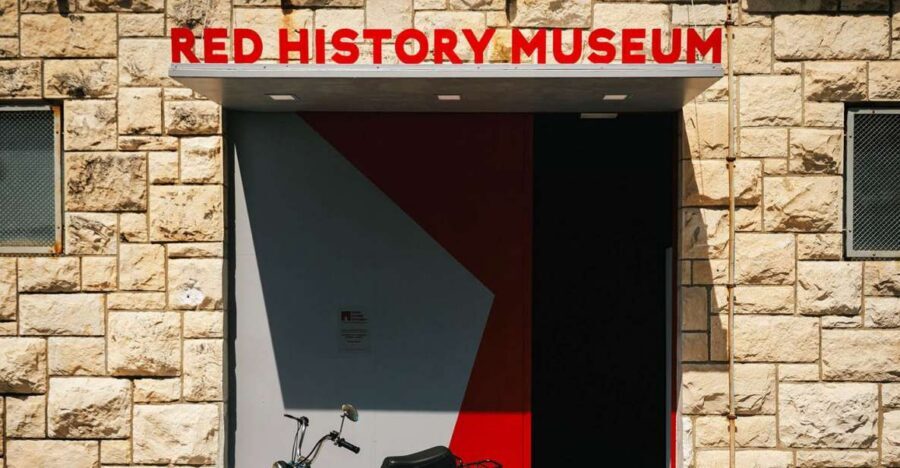
Red History Museum is a time machine with a punchline. It’s the first museum in Croatia to focus on communist history, using hands-on rooms, old-school design, and pop-culture details to make recent history feel personal. The payoff is understanding modern Croatia through the day-to-day reality of the Yugoslav system rather than just dates and slogans.
What I like most is the interactive setup that turns you from a passive reader into an active observer. I also love the way it mixes serious topics with everyday artifacts, including a house reconstruction with period furniture and the playful chance to pose with the Yugo 45.
One thing to consider: it’s a small museum, so if you want a long, exhaustive timeline, you may finish feeling you saw a lot—but not everything. Also, a couple of the virtual elements can be confusing without clear directions, so I’d plan to spend time figuring out what to press.
In This Review
- Key takeaways before you go
- Red History Museum in Dubrovnik: what makes it work
- Inside a 1953 port factory: the T.U.P. setting matters
- The interactive house reconstruction and everyday objects
- Yugoslavia under the system: art, politics, and secret agencies
- The best photo stops: Yugo 45 and communist pop-culture
- Goli Otok behind the curtains: why it hits
- Learning the rhythm: audio, “greatest hits,” and period mood
- How to get the most from your ticket (and avoid frustration)
- Price and value: is $11 worth it?
- Who should book Red History Museum
- Should you book it? My practical call
- FAQ
- What is the Red History Museum in Dubrovnik?
- Where is the museum located?
- How much does the regular ticket cost?
- What kinds of things will I see inside?
- Is there a photo opportunity?
- Does the museum include pop-culture style items?
- Is there any content related to Goli Otok?
- Are the interactive/virtual elements easy to use?
Key takeaways before you go
- Communist history made practical: you’ll learn what life felt like under Yugoslav rule, not just what happened.
- Period design everywhere: from furniture to set pieces, the museum sells the vibe of the 1970s and 1980s.
- Photo moment with the Yugo 45: it’s famous for a reason, and it’s built for memorable shots.
- Pop-culture parallel universe: communist versions of Coca Cola or Fanta, plus period candies and drinks at the end.
- Goli Otok shows up in a human way: there’s a standout section tied to what happened behind the curtains.
- Staff knowledge helps: a guide named Viktor comes up in feedback, and the team seems ready with context.
Red History Museum in Dubrovnik: what makes it work
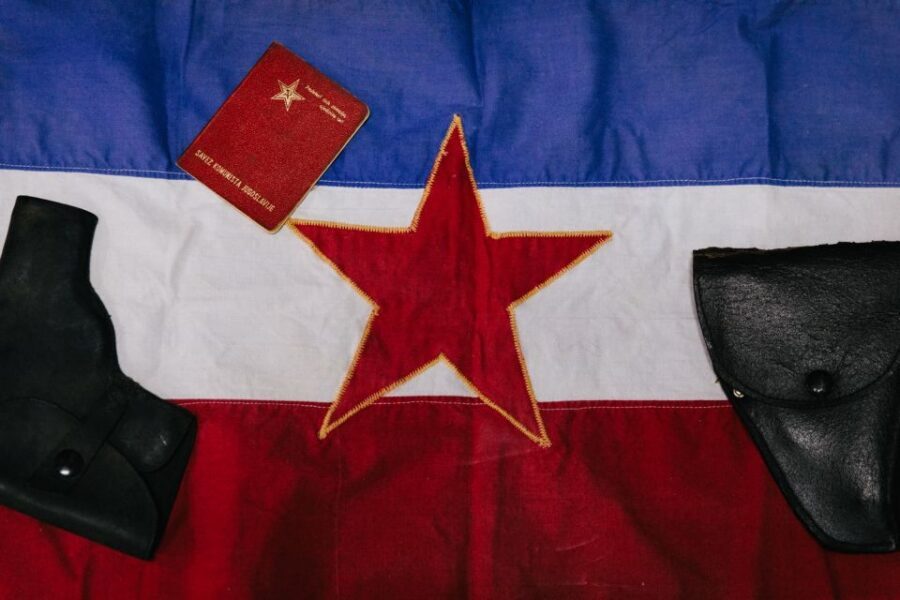
The Red History Museum doesn’t try to be neutral museum-cold. It’s built like a snapshot of a society—complete with design choices, objects, and routines—so you can see how ideology seeped into daily life. That approach is useful because communist history can sound abstract. Here, it comes with texture.
You’ll also notice the museum understands something important: modern Croatia makes more sense when you understand the immediate past. This is communist Yugoslavia and its political climate, told through rooms that feel arranged for living, not for display-only viewing.
Even when the content is heavy, the delivery keeps you moving. There are audio moments, visual stories, and interactive stops, so you’re not stuck staring at panels for your whole visit.
You can also read our reviews of more tours and experiences in Dubrovnik

Inside a 1953 port factory: the T.U.P. setting matters
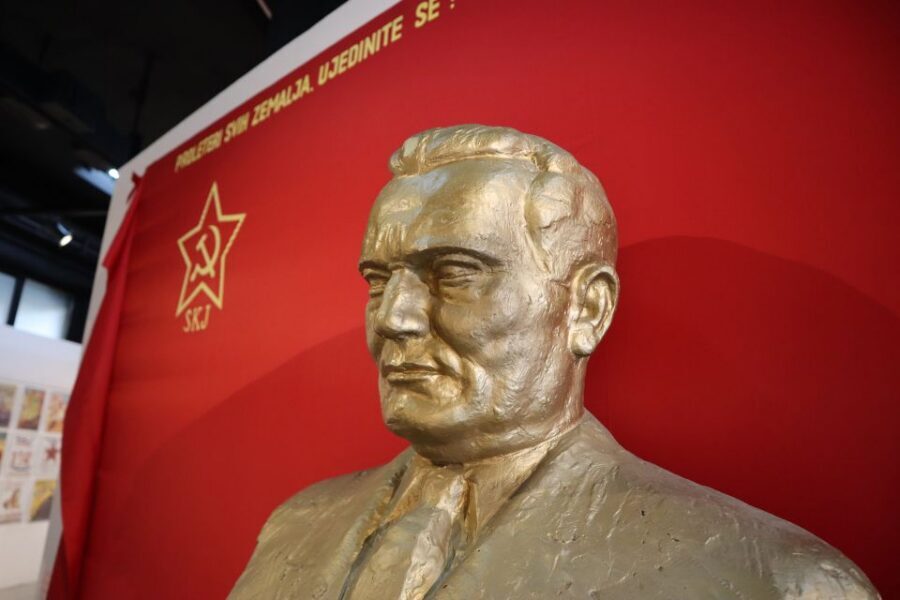
The museum is in the last factory complex in Dubrovnik, called T.U.P., built in 1953, and it sits in the port area. That location isn’t an afterthought. The factory setting gives the exhibits an industrial backbone, which fits the theme of work, production, and the state’s presence in everyday routines.
This also shapes the mood as you go in. Instead of wandering through a decorative building, you move through spaces that feel like they belong to another kind of life—one tied to industry, systems, and a watchful political climate.
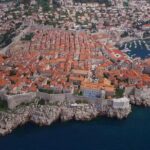
If you’re walking around Dubrovnik’s old-city walls and thinking, Okay, but what about the more recent story? this museum offers a different angle—one that’s closer in time and easier to connect to what you see today.
The interactive house reconstruction and everyday objects
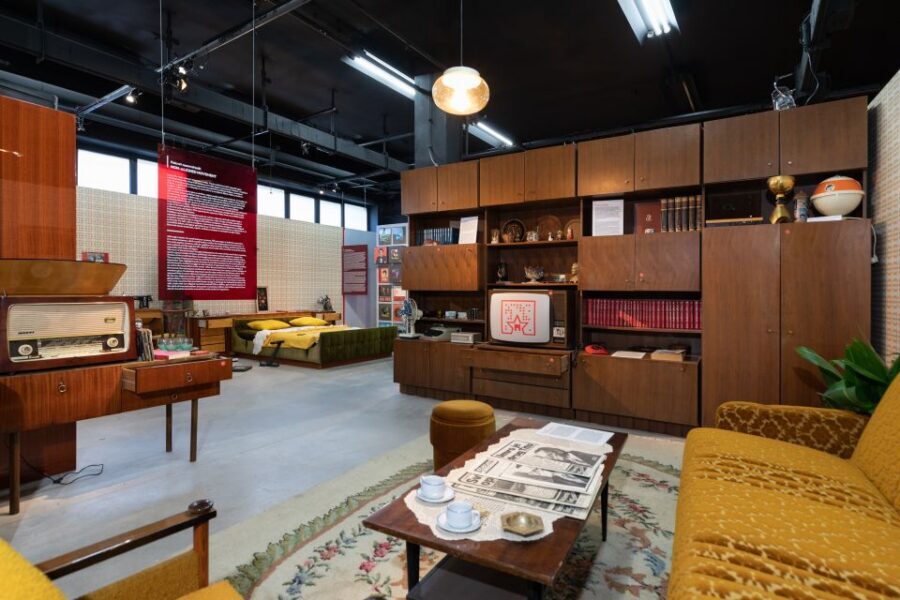
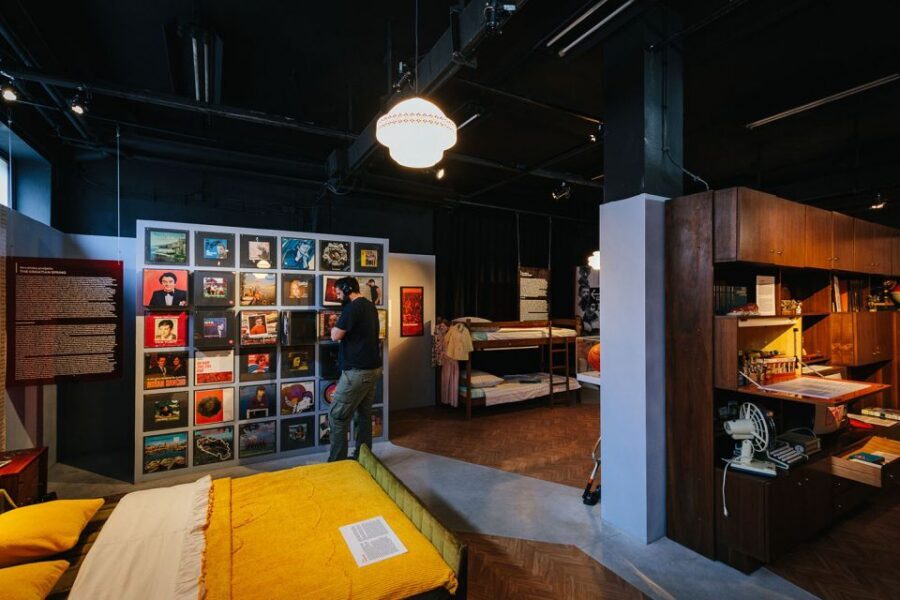
One of the strongest ways the museum helps you understand communist life is through reconstruction—especially a residential-style setup you can walk through. Reviews point out the period furniture and the overall feel of domestic life, with enough old details to make the rooms feel inhabited rather than staged.
This kind of exhibit works because it answers a question you might not ask at first: what did politics look like in real rooms? You see how everyday life could be shaped by the culture, design, and the general atmosphere of the era. Even the layout nudges you to look around like you would in someone’s home.
The museum also uses a mix of old and new technologies. That’s a practical plus: if you like tactile exhibits, you can focus on the objects and sets; if you prefer screens and media, the interactive elements give you a different path through the same story.
Yugoslavia under the system: art, politics, and secret agencies
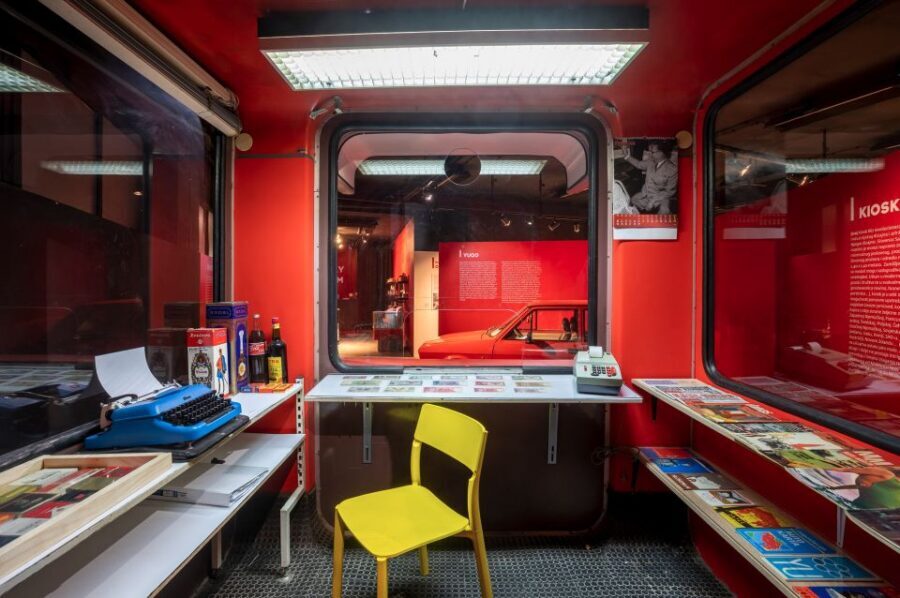
The museum doesn’t just say communism existed. It shows how the Yugoslav regime organized ideas, communication, and daily behavior. You’ll find content tied to politics, art and design, and even the presence of secret agencies, all presented in ways that help you connect power structures to what people experienced.
It also highlights the Non-Aligned dimension, which is a helpful reminder that Yugoslavia wasn’t simply copy-pasting one foreign bloc. Understanding that nuance gives you more than a slogan-level version of the era.
At the center of it all is the sense of the Communist party’s watchful eye. The museum’s storytelling approach makes this feel like an atmosphere, not just a historical fact. That can be uncomfortable, but it’s exactly why the museum is worth your time—it doesn’t let you forget what control can look like.
The best photo stops: Yugo 45 and communist pop-culture
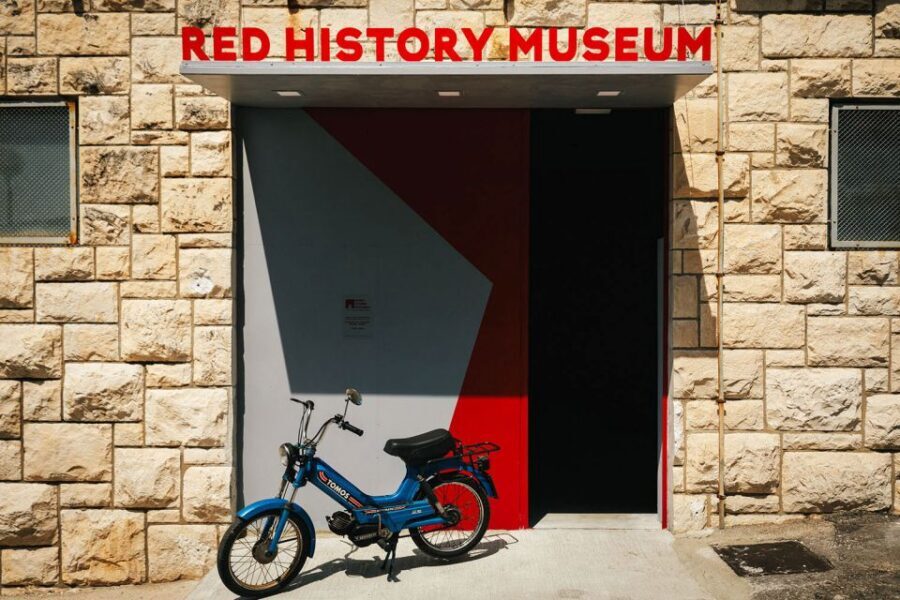
Let’s be honest: one reason people remember this museum is because it gives you built-in humor and photo moments. The famous example is the Yugo 45, described as the worst car ever. The museum encourages a photo there, so you can turn learning into something more memorable than a straight walk-through.
Then comes the parallel universe angle. At the end, you can treat yourself with popular period favorites—communist versions of Coca Cola or Fanta. It’s playful, but it also reinforces the theme: even global brands got filtered through local systems and political realities.
If you like museums that understand entertainment as a teaching tool, you’ll probably enjoy these sections. They break up heavy topics and keep your brain engaged, which matters when you’re dealing with recent history that still carries weight.
You can also read our reviews of more historical tours in Dubrovnik




Goli Otok behind the curtains: why it hits
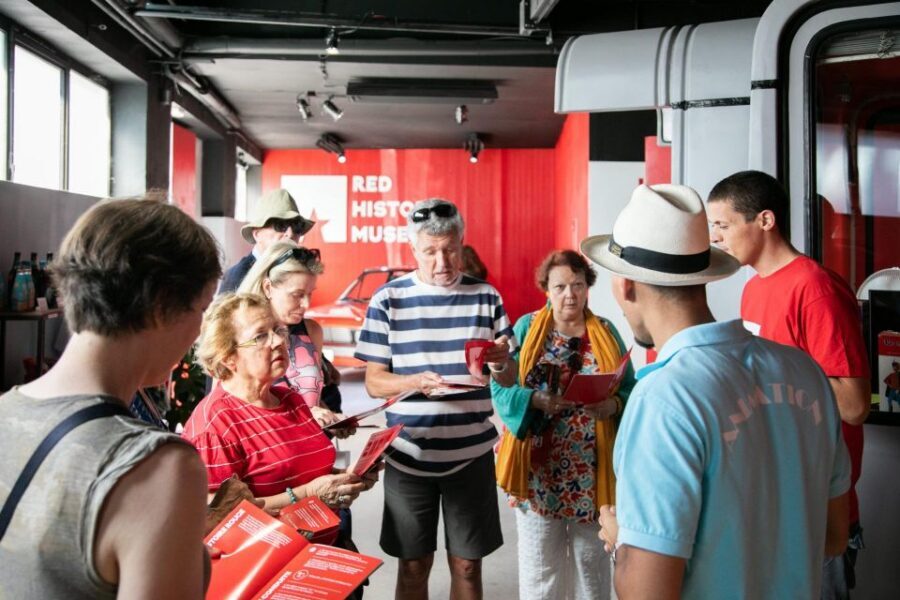
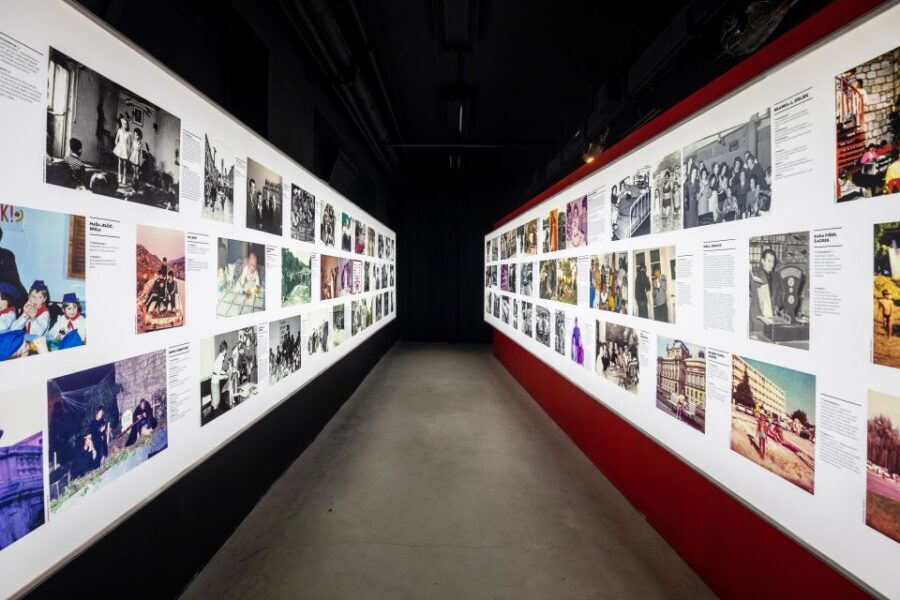
One exhibit section that stands out is tied to Goli Otok, shown with a behind-the-curtains approach. The museum also includes a collection of photos related to this topic, which helps shift the focus from abstract concepts to the reality of what people faced.
This part matters because it’s not only about what ideology claimed. It’s about what the system did—especially to those caught in the wrong place, accused of the wrong thing, or simply seen as inconvenient.
If you tend to skim through darker museum content, don’t do that here. Give this segment extra attention. The format is designed to make you slow down for a reason.
Learning the rhythm: audio, “greatest hits,” and period mood
The museum includes audio content that frames the era with what it describes as greatest hits of the time. That choice might sound like a small detail, but it’s actually a smart learning tactic.
Music and media are time capsules. When you hear period sounds while you’re surrounded by period objects, the story becomes more immediate. You’re not only reading about a society—you’re experiencing a bit of its rhythm.
The result is that you can walk away with more than facts. You’ll likely remember the mood, the design choices, and how the pieces of life fit together.
How to get the most from your ticket (and avoid frustration)
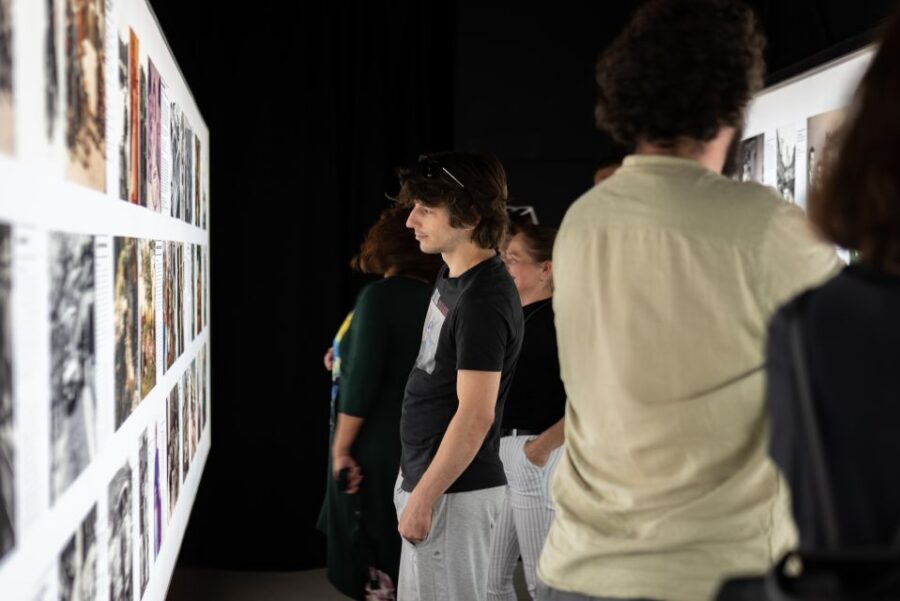
Because the museum is interactive, your best strategy is to move at a comfortable pace. Don’t just rush room to room looking for the next highlight; pause when something looks like it’s meant to be used.
A practical example shows up in feedback about the virtual scanned images around the museum. In one case, the scanner didn’t seem to do anything until the visitor figured out what was expected. So if a screen, icon, or image doesn’t respond right away, don’t panic. Slow down and re-check instructions signs next to the exhibit.
Also, think of the museum as a sequence of themes, not just a single attraction. If you go in with curiosity about design, politics, and everyday life, the layout will feel more logical instead of random.
And if you’re the type who likes a human explanation, look for the staff. Reviews emphasize that staff knowledge can add clarity, and one person specifically mentioned a guide named Viktor as informative.
Price and value: is $11 worth it?
At $11 per person, this museum is priced like a smart add-on rather than a splurge. The value comes from variety: you get interactive elements, reconstructed spaces, pop-culture artifacts, and themed sections that cover both the upbeat and the disturbing parts of the era.
You’re also paying for something that’s harder to find: a museum in Dubrovnik that addresses communist history with a specific focus on Yugoslav life. If you’re spending a few days in the city and you’ve already seen the famous medieval layers, this gives you a different layer—closer to modern times.
Is it the best choice for everyone? If you want a massive multi-hour museum experience with deep archives, you may feel the size limit. But if you want a compact, memorable, interactive snapshot that makes you think, the price-to-experience ratio looks strong.
Who should book Red History Museum
This is a great match if you:
- Like history that’s tied to everyday life, not only big events
- Enjoy interactive museums where you can touch, scan, and play with the format
- Want a deeper understanding of Croatia by looking at its recent past
- Appreciate pop-culture details like the Yugo 45 photo spot and the communist versions of Coca Cola or Fanta
It can also work well for travelers who are not hardcore history people. The museum’s design and playful elements help carry the story. You still learn plenty, but you’re not trapped in a lecture.
If your goal is purely academic research or an exhaustive timeline, you might want to pair this with other historical stops instead of relying on it alone.
Should you book it? My practical call
I’d book Red History Museum if you want a focused, interactive way to understand Yugoslav communist life from the angle of art, politics, and daily routines. For the price, the mix of reconstructed spaces, photo-friendly moments, and serious sections like Goli Otok makes it a strong use of time in Dubrovnik.
Skip it only if you know you dislike interactive exhibitions or you’re specifically seeking a long-form, ultra-detailed museum format. For most people, though, this offers an unusual perspective—one that helps modern Croatia feel less like a mystery and more like a story with a recent chapter.
FAQ
What is the Red History Museum in Dubrovnik?
It’s an interactive museum focused on Croatia’s communist history, designed to explain Yugoslav life through rooms and exhibits that combine history with everyday objects and media.
Where is the museum located?
It’s housed in the last factory complex in Dubrovnik, T.U.P., built in 1953, in the port area.
How much does the regular ticket cost?
The price listed is $11 per person.
What kinds of things will I see inside?
You can expect exhibits connected to art and design, politics, secret agencies, and the Non-Aligned, plus interactive features that recreate aspects of everyday life.
Is there a photo opportunity?
Yes. There’s a famous photo moment involving the Yugo 45.
Does the museum include pop-culture style items?
Yes. It features communist versions of popular drinks like Coca Cola or Fanta, and you can also try period candies and drinks at the end.
Is there any content related to Goli Otok?
Yes. The museum includes information about Goli Otok, presented in a section that uses a behind-the-curtains approach and includes a collection of photos.
Are the interactive/virtual elements easy to use?
Most interactive parts work as part of the experience, but one visitor noted that a virtual scanned image didn’t do anything when scanned for them, suggesting it may help to read nearby instructions carefully.
If you want, tell me how many days you’ll be in Dubrovnik and what else you’re planning to see, and I’ll suggest the best way to slot this museum into your route.