REVIEW · DUBROVNIK
Private Dubrovnik City Walls Walking Experience
Book on Viator →Operated by Dubrovnik Walking Tours · Bookable on Viator
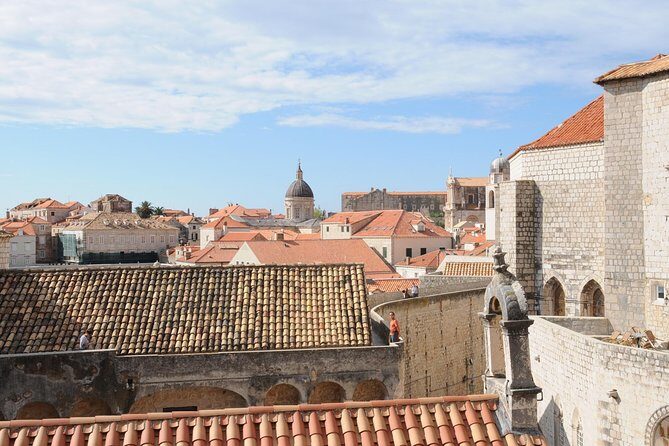
Dubrovnik’s walls are a story you can walk. This private walking experience takes you step-by-step along the fortifications with a licensed English guide, so you get the meaning behind the stone instead of just the views. I love how the tour keeps things organized and not stressful, and I also like that the pace can be adjusted as you go.
My favorite part is the way the guide connects the city’s defense system to Dubrovnik’s bigger history, from the Republic of Ragusa to how power and diplomacy shaped the walls. You’ll see major strongholds like Minčeta and St John in context, not as random stops.
One thing to consider: this is physically demanding in spots, and it can be challenging if you have walking difficulties. The city walls involve uneven surfaces, stairs, and steep stretches, so comfortable shoes matter.
In This Review
- Key Highlights You’ll Actually Feel
- Starting at Onofrio’s Large Fountain: Why This Walk Works
- City Walls Walking Route: What 2 Hours Is Like on Stone
- Minčeta Fortress: The High-Northwest Tower With Real Engineering Details
- Bokar Fortress: Western Sea Protection and the Land Approach
- Fortress of St John (Sveti Ivan): Mulo Tower and the Long Timeline
- Revelin Fortress View: Protecting the Land Entrance From the East
- Why the Licensed English Guide Changes Everything
- Price and Value: You’re Paying for Guide Time Plus Wall Admission
- Who This Tour Is Best For (And Who Should Pass)
- Simple Planning Tips That Make This Day Easier
- Should You Book This Dubrovnik City Walls Walking Experience?
- FAQ
- Is the City Walls ticket included in the tour price?
- How long is the Dubrovnik City Walls walking experience?
- Where do we meet for the tour?
- Where does the tour end?
- What language is the tour offered in?
- Is this a private tour?
- Is the tour suitable for people with walking difficulties?
- What’s included in the tour?
- Can I cancel for a full refund?
Key Highlights You’ll Actually Feel
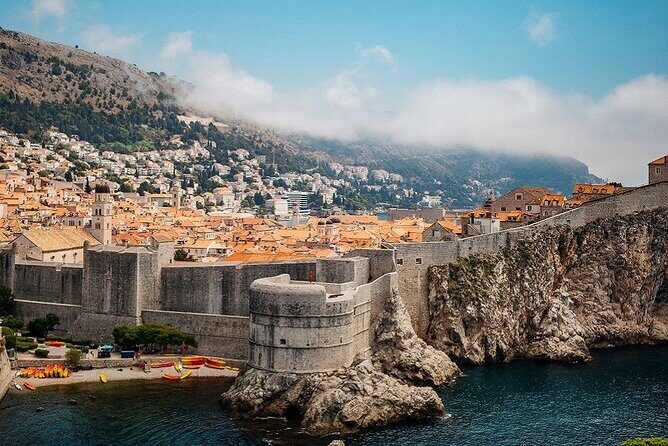
- Onofrio’s Large Fountain start with quick context on the Republic of Ragusa and why the walls mattered
- A guided circuit of the walls so you don’t have to figure out the route on your own
- Fortress-by-fortress explanations at Minčeta, Bokar, St John (Sveti Ivan), and the Revelin view
- Small-group feel in a private setup with your group only, guided in English
- Short, high-impact timing at about 2 hours, so it fits a packed Old Town day
- Great for first-timers who want the big picture fast before exploring on your own
Starting at Onofrio’s Large Fountain: Why This Walk Works

You’ll begin at the historic Large Onofrio’s Fountain near the gate access area in the Old Town. The guide starts by setting the stage: Dubrovnik’s Republic of Ragusa and the strategic logic behind those fortifications.
This opening matters because the walls can look like one long wall until someone points out what each section was built to do. In other words, you’ll understand why you’re climbing and turning, not just where you’re walking.
You can also read our reviews of more walking tours in Dubrovnik



City Walls Walking Route: What 2 Hours Is Like on Stone
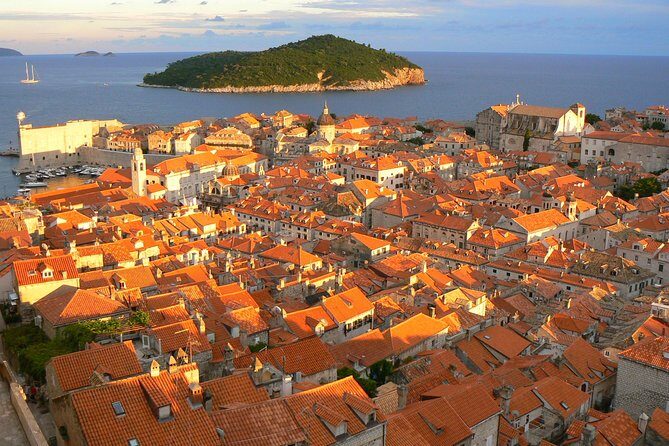
Expect about 2 hours on the walls with the guide. The route is designed for a full circuit-type experience starting near the fountain and continuing through key defenses. The walking isn’t laid out as a gentle stroll; the walls include uneven stone and elevation changes.
A big practical note: the City Walls ticket is not included. The price you pay for the guided experience covers the licensed guide, but you’ll also need to plan for the wall admission fee (listed as €40 per person). If you skip that, you’ll lose time at the wrong moment—so build it into your day.
The good news: you don’t have to worry about getting lost. With a guide leading the way, you can focus on the fortifications themselves and listen for the explanations as you walk.
Minčeta Fortress: The High-Northwest Tower With Real Engineering Details
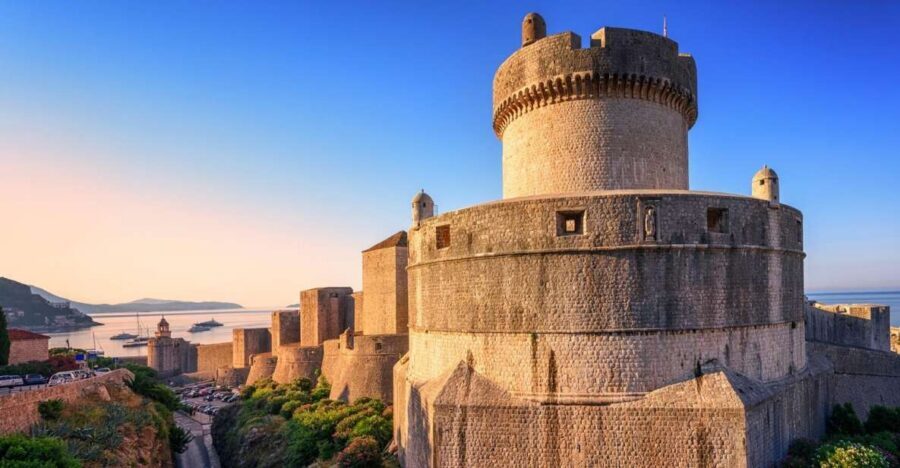
Minčeta Fortress dominates the highest north-western part of the City. You’ll get the chance to see it as more than a postcard tower—this is defense engineering in a dramatic form.
Here’s what to look for as the guide points it out: it’s a large circular tower with a massive battlement supported by stone supporters. The story behind it goes back further too; a smaller quadrangular tower was constructed by Nikifor Ranjina in 1319, and later design choices turned it into the iconic form you see today.
Why this stop is so worth your time: Minčeta helps you understand how Dubrovnik controlled sightlines and movement. When you stand near it, you’re seeing the idea of surveillance and defense in one place—high ground doing its job.
Bokar Fortress: Western Sea Protection and the Land Approach
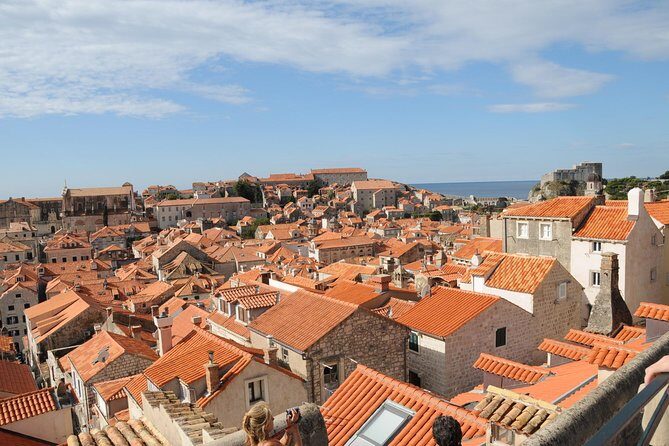
Next comes Bokar Fortress, a key point for defense on the western side and also for controlling an approach to the town from land. This matters because Dubrovnik’s walls weren’t only about repelling attacks; they were also about managing routes and slowing down threats.
Bokar was designed by the Florentine architect Michelozzo di Bartolomeo Michelozzi. The structure is described as a semicircular two-story building, which is a helpful detail to keep in mind while you’re there. Semicircular design isn’t just aesthetic—it relates to how defense could be organized and how forces could be met from different angles.
If you like your history with concrete details (and I mean literally concrete here), this is one of the stops where it clicks. You’ll see why architecture served strategy.
Fortress of St John (Sveti Ivan): Mulo Tower and the Long Timeline
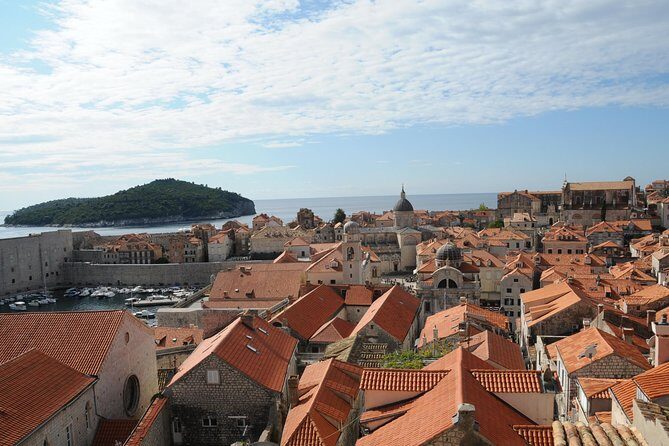
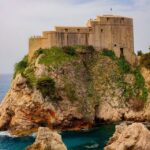
Fortress of St John, also known as Sveti Ivan, is one of Dubrovnik’s impressive medieval defenses. The towers date back to the 14th century, while the main structure comes from the 16th century—so you’re looking at layers of change over time.
You’ll also hear it referred to as the Mulo tower. That identity helps you anchor the site as a named part of the wider city wall defense complex instead of treating it as a generic viewpoint stop.
Practical value: this is where the guide’s explanations start to feel especially connected to the overall system. Instead of memorizing names, you begin understanding how the forts relate to each other—who protected which approaches and how the defense line worked as a whole.
You can also read our reviews of more city tours in Dubrovnik


Revelin Fortress View: Protecting the Land Entrance From the East
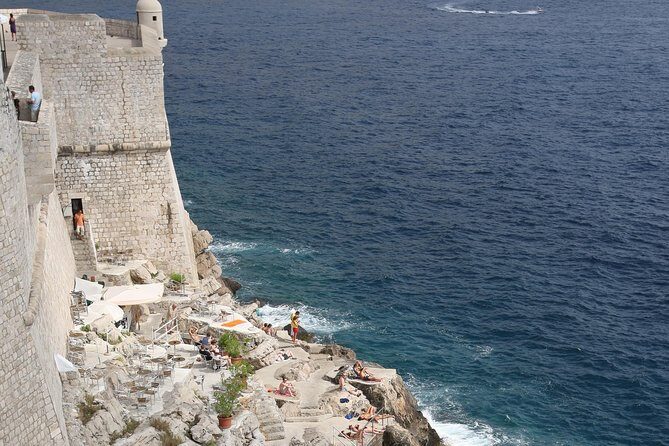
As you continue, you’ll reach a Revelin Fortress view. This eastern defensive stronghold protected the land entrance to the city. Even if you only get a view rather than a long linger, it’s a meaningful one because it rounds out the “whole perimeter” feeling.
Try to keep the logic in your head: if Minčeta and Bokar help you visualize the high and western defense angles, Revelin shifts your attention to the approach coming from the land entrance side. Dubrovnik wasn’t guarding one direction. It was managing the whole map.
This viewpoint helps you connect what you’re seeing on the ground with the larger idea of how the city was meant to be defended as people approached.
Why the Licensed English Guide Changes Everything

A guided walk here isn’t just comfort—it’s interpretation. Dubrovnik’s walls are packed with story, but the meanings aren’t always obvious just by looking.
In feedback about this experience, guides such as Edi and Josip are singled out for remembering a lot of history and explaining it at the right pace. That pacing matters when you’re walking on uneven stone and dealing with heat.
Also, you may get more than wall basics. For example, one account notes a brief guided walk along the main street after the wall circuit, including how it evolved after a major earthquake during the Baroque period. That kind of add-on can make the walls feel like the start of a larger Old Town story instead of a stand-alone attraction.
Price and Value: You’re Paying for Guide Time Plus Wall Admission
The guided experience is priced at $129.40 per person, lasting about 2 hours. What you’re getting for that cost is the licensed English speaking guide and the structured experience of walking the key wall sections with someone who knows what to point out.
The key value equation is the wall ticket fee. The City Walls admission is listed separately at €40 per person, so plan on budgeting for both. Once you factor that in, the decision becomes simpler: this is for people who want a guided route and clear context, not just an entry ticket and a self-guided walk.
Where it feels like good value:
- You don’t have to figure out the route and priorities on your own
- You get fortress-by-fortress explanations in English
- The tour is short enough to keep your day flexible
Where it might not feel like great value:
- If you’re already comfortable planning your own city walls route and reading on-site, you might prefer saving the guide cost
Who This Tour Is Best For (And Who Should Pass)
This experience is a smart fit if you want the big picture fast and you care about understanding why each fortress exists. It also works well if you’d rather not navigate steep, confusing stretches alone.
You should think twice if you have walking difficulties. The experience is described as challenging for people with walking difficulties, and the recommendation is moderate physical fitness. If your idea of a comfortable day includes frequent breaks and flat ground, you’ll want to plan extra time for rest—or consider another option.
If you’re traveling with a group and you want everyone to move together without stress, the private format helps. It’s designed so only your group participates.
Simple Planning Tips That Make This Day Easier
Start by treating comfortable shoes as non-negotiable. City walls walking can be punishing if you’re in anything that doesn’t grip well.
Also, aim to go in ready for sustained walking. Even though the time is about 2 hours, you’ll still be moving for a solid chunk of that window, and there’s no suggestion the tour is broken into long sit-down segments.
Finally, consider the timing: the tour is typically booked around 36 days in advance on average. If your travel dates are fixed, booking earlier can reduce stress when schedules get tight.
Should You Book This Dubrovnik City Walls Walking Experience?
Book it if you want a guided, fortress-focused walk that helps you understand Dubrovnik beyond the usual photos. You’ll get the structure of a route, the explanations of how the defense system worked, and a short format that won’t swallow your whole day.
Skip it (or switch to a lighter option) if you know you struggle with steep, uneven walking. The walls are part of the attraction, which means they’re also part of the challenge.
If you’re comfortable with moderate walking and you value a licensed guide who can translate the city’s fortifications into a clear story, this is a strong use of your time in Dubrovnik.
FAQ
Is the City Walls ticket included in the tour price?
No. The guide experience is included, but the City Walls admission fee is not. The City Walls ticket is listed as €40 per person.
How long is the Dubrovnik City Walls walking experience?
It’s approximately 2 hours.
Where do we meet for the tour?
You meet at Dubrovnik Walking Tours, Big Onofrio’s Fountain, Placa b.b., 20000, Grad, Dubrovnik.
Where does the tour end?
The tour ends at Poljana Paska Miličevića bb, 20000, Dubrovnik.
What language is the tour offered in?
The tour is offered in English.
Is this a private tour?
Yes. It’s listed as private, and only your group will participate.
Is the tour suitable for people with walking difficulties?
The experience is described as challenging for people with walking difficulties, and it’s recommended to have moderate physical fitness.
What’s included in the tour?
Included is a licensed English speaking guide.
Can I cancel for a full refund?
Yes. You can cancel up to 24 hours in advance for a full refund. If you cancel less than 24 hours before the start time, the amount paid is not refunded.