REVIEW · DUBROVNIK
Dubrovnik: Walls and Wars Walking Tour
Book on GetYourGuide →Operated by Dubrovnik Walks & Sea Kayaking · Bookable on GetYourGuide
City walls here tell two wars. I love how this tour turns Dubrovnik’s fortifications into a clear story—politics, survival, and the 1991 conflict—so the walls stop being just scenery. With guides like Davor and Goran (both praised for humor and clear explanations), you’ll also get headset audio that makes the walk feel organized, even along the long stretches.
I also like the panoramic wall views that come with each major stop. You’ll look over the port and the Old Town from preserved sections of the ramparts, including iconic points such as Revelin Fortress, Minceta Tower, and Lovrijenac Fortress. One big consideration: the route is stairs-heavy, hot in summer, and not a good fit if heights or steep climbs make you uneasy.
In This Review
- Key Things I’d Prioritize Before You Go
- Why Dubrovnik Walls Feel Like Real History, Not a Photo Prop
- Meeting Point at Brsalje 8: Start Here, Don’t Overthink It
- How the Tour Actually Works on the Walls: Headsets and Group Flow
- Revelin Fortress: Where Defense Meets Diplomacy
- Minceta Tower: The Viewpoint That Makes the Story Click
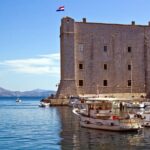
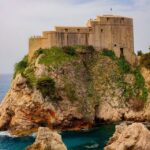
- Lovrijenac Fortress: The Place That Feels Tough on Purpose
- Stairs, Heat, and Wind: The Real-World Conditions You Need to Plan For
- Price and Tickets: What You’re Paying for (and What You Still Need)
- Should You Choose the 2-Hour Tour?
- Who This Tour Fits Best
- Book It or Skip It: My Practical Call
- FAQ
- How long is the Dubrovnik Walls and Wars Walking Tour?
- Where do I meet the tour?
- Is the City Walls entry ticket included in the $29 price?
- How much are the Dubrovnik City Walls tickets?
- What’s included with the tour?
- Is the tour good for families with kids?
- What should I bring?
- Is this tour suitable for wheelchair users or people with mobility impairments?
- Are baby strollers allowed?
- Can I buy the City Walls ticket in advance or at the entrance?
Key Things I’d Prioritize Before You Go
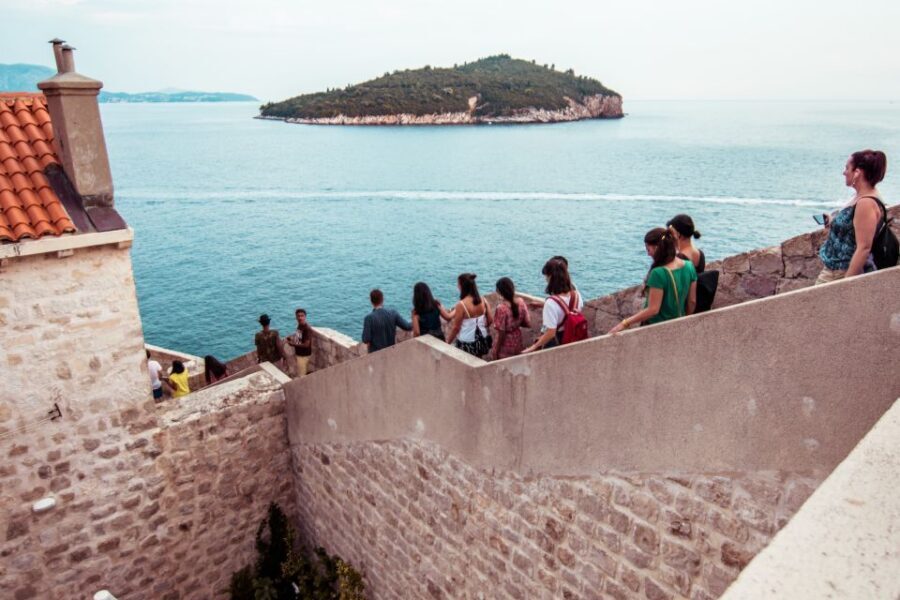
- You get context, not just a wall walk: the guide connects Dubrovnik’s diplomacy and defense to what you see on the ramparts.
- Headsets keep the story audible: you’ll hear the guide better than following a group without help.
- Iconic forts are part of the loop: Revelin Fortress, Minceta Tower, and Lovrijenac Fortress aren’t treated like checkboxes.
- The viewpoint is the point: Old Town and the port look different from inside the fortifications.
- Plan for stairs and heat: many steps and limited shade mean you should pace yourself from the start.
Why Dubrovnik Walls Feel Like Real History, Not a Photo Prop
Dubrovnik’s City Walls look dramatic in photos. On the ground, they feel even more serious, because you can see how defense works when you’re standing on it. This tour is built around that idea: why the city needed walls, how the fortifications shaped daily survival, and how Dubrovnik kept its independence despite major threats.
You’ll spend 2 hours moving along the walls with a local guide who explains the bigger picture—how the republic’s leaders balanced diplomacy and military planning, and what the fortifications were designed to protect. The strongest part is that the guide’s narration doesn’t stay in the medieval era. You’ll hear the wall story tied to the Homeland War too, with several guides described as having personal perspective from the 1991 conflict.
And yes, you’ll still get those postcard views. The difference is you’ll understand what you’re seeing: where attackers would have faced the city, why certain towers and forts mattered, and why the layout still looks so intentional today.
You can also read our reviews of more walking tours in Dubrovnik



Meeting Point at Brsalje 8: Start Here, Don’t Overthink It
Your meeting point is Dubrovnik Walks at Brsalje 8, with reps holding orange umbrellas. The stop is near the Pile local bus stop—the final stop before reaching the Old Town area—so you’re not trying to guess your way through the busiest streets.
This matters because wall tours can get time-sensitive. You want to arrive with enough breathing room to find the group and settle in before you start climbing. Bring your ticket strategy too: the tour price covers the guide and the wall walk, but the mandatory City Walls entry ticket is separate (more on that later).
How the Tour Actually Works on the Walls: Headsets and Group Flow
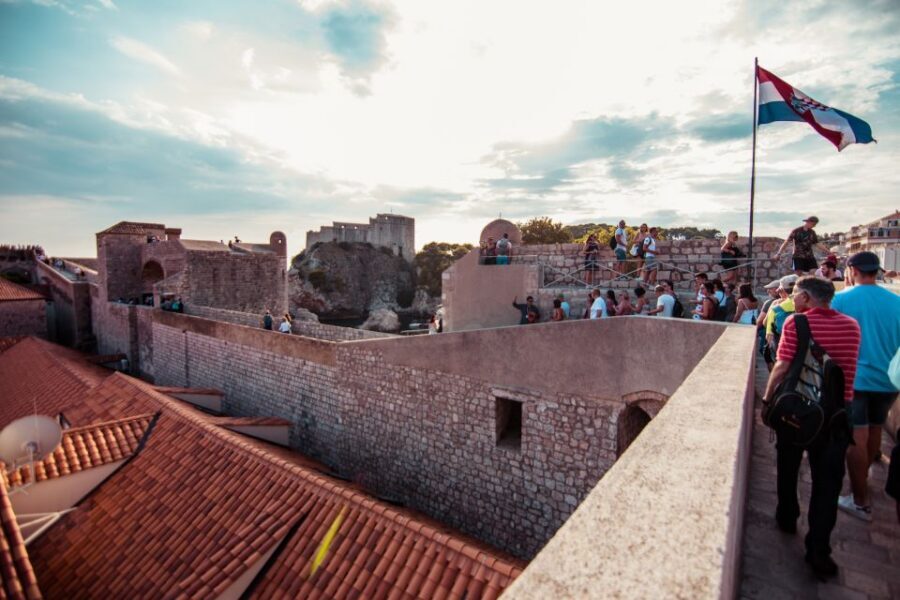
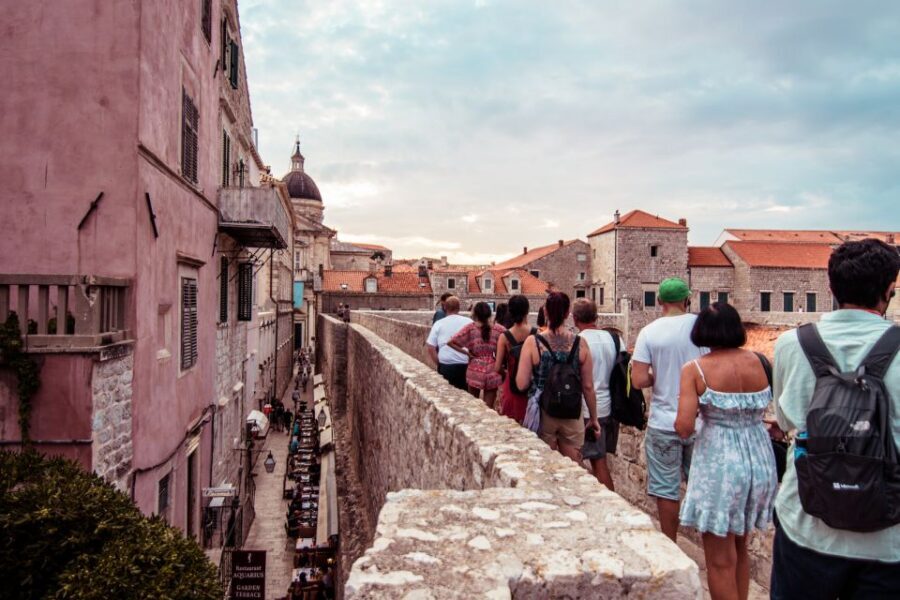
This is a guided city-walls walking tour with live English narration. You’ll receive headset devices, which is a big quality-of-life upgrade when you’re outdoors and the group is spreading out across a long, narrow wall line.
A practical tip: don’t drift too far behind. When you’re off the main line, headset reception can get spotty and you’ll feel like you’re watching the story from the outside. The goal is to keep a steady pace with the group so you stay synced with the guide’s points and photo stops.
The tour structure is simple: you’ll walk, stop for photos, and then get guided explanations as you reach key fortifications. Several guides are praised for keeping a comfortable pace and even for building in rest breaks when weather conditions get intense. On windy or rainy days, the walls still deliver the experience, but your footwear and hat choices become more important.
Revelin Fortress: Where Defense Meets Diplomacy

One of the stops you’ll hear emphasized is Revelin Fortress. This is the kind of place where a guide’s interpretation really pays off. Without context, it can look like another chunk of stone on the system. With narration, it becomes a practical defense point—part of how Dubrovnik controlled access and protected the city’s people and prosperity.
The guide’s job here is to connect the fortification to the political reality behind it. Dubrovnik wasn’t a giant empire with unlimited resources. It was a small independent republic, and that meant the defense plan had to be smart and sustainable. When the guide points out why certain structures mattered, the fortress stops feeling random and starts feeling like a tool in an overall strategy.
If you like history that explains cause and effect—why leaders did what they did—this stop is a highlight. You’ll also get a sense of how the walls are meant to channel movement and create defensive advantages.
Minceta Tower: The Viewpoint That Makes the Story Click

You’ll also encounter Minceta Tower, one of the wall points that people talk about for a reason: height, position, and visibility. From up there, you get the kind of panoramic look that makes the walls feel like more than a boundary. It’s a control point.
This is where the tour’s “walls and wars” framing becomes clear. The guide shows you why towers weren’t just decoration or symbols of power. They were built to watch, to communicate, and to support defense at critical moments. When you pair that with the actual sightlines over the port and Old Town, it becomes easier to visualize threats and responses.
In other words, you’re not only looking out—you’re also thinking like a city planner or a defender would have, which is exactly what turns this from a scenic stroll into a meaningful walk.



Lovrijenac Fortress: The Place That Feels Tough on Purpose
A third signature stop is Lovrijenac Fortress. It’s the kind of site where you can feel how Dubrovnik designed strength into the city’s shape.
The guide will talk through why Lovrijenac was essential—again, not just in a general way, but tied to the defensive needs of an independent republic. You’ll get the feeling that this was built to protect people and keep trade and stability possible, even when bigger enemies loomed.
Also, this fortress stop is a good moment to slow down and absorb the wall layout. If you’re the type who likes to map places in your head, you’ll probably start spotting patterns: where the city’s defenders would want eyes, where movement would matter, and why the Old Town feels enclosed even when you can see the sea.
Stairs, Heat, and Wind: The Real-World Conditions You Need to Plan For
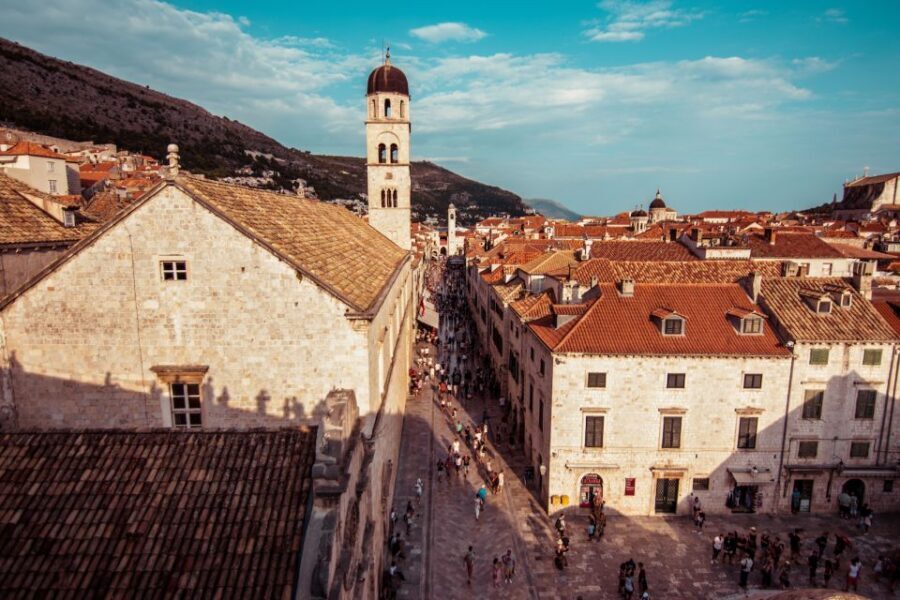
Let’s be honest: this tour is a stair walk. Dubrovnik’s wall experience includes steep climbs, and it can be tough if you’re older, less mobile, or if heights trigger anxiety.
Based on the tour info, it’s not suitable for:
- pregnant women
- people with mobility impairments
- wheelchair users
- people with heart problems
- people afraid of heights or with vertigo
- people with respiratory issues
- people over 80
- people with low level of fitness
Even for people who are fine with stairs, the conditions can matter a lot. Several comments mention little shade on the walls and the reality that it can get hot and windy. So do the boring prep well:
- wear comfortable shoes
- bring a hat
- carry water
- have your payment method ready (a credit card can be useful)
If you’re unsure, consider choosing a time when weather is cooler or planning a slower pace from the first climb. The best tours feel smooth because you don’t rush the first part.
Price and Tickets: What You’re Paying for (and What You Still Need)
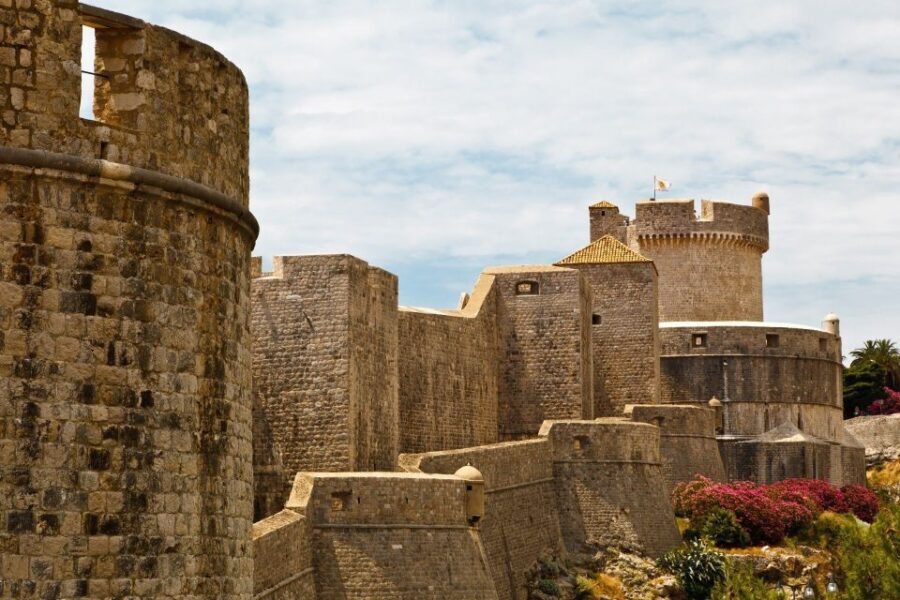
The tour price is $29 per person for a 2-hour guided walls experience. But the mandatory Dubrovnik City Walls entry ticket is not included.
You should budget for:
- €40 per adult
- €15 per child (ages 7–18)
Here’s the value logic: you’re paying separately for access to the walls themselves, and then you’re paying for something that the walls can’t provide on their own—guided storytelling, context, and pacing. That matters because many people arrive wanting to “see the walls,” but they leave understanding how the walls connected to wars, politics, and survival.
Also, since the City Walls ticket can be purchased at the entrance, in advance, or with a Dubrovnik Pass, you have options for how you manage your time on arrival. If you want a smoother start, plan your ticket approach before you show up so you’re not scrambling once you’re at the wall gates.
One more practical note: audio headsets are included in the tour price, and that’s a real help along the walls where you otherwise lose the guide to distance or wind.
Should You Choose the 2-Hour Tour?

This tour is made for visitors who want the walls without turning your day into a full-on endurance event. Two hours is long enough to cover meaningful parts of the wall experience and to connect the fortifications to the larger story. It also helps you avoid the trap of only enjoying the view without understanding what you’re looking at.
If you’re a history fan, you’ll likely enjoy the way the guide threads together medieval defense logic with the later war context. Several guides are noted for sharing personal or lived perspective on the 1991 conflict, which turns the story more human than textbook-only.
If you’re not into stairs or if you hate heights, the walls on their own can still be worth considering—but this particular tour format may not fit your body or comfort level.
Who This Tour Fits Best
This is a strong match if you:
- want the guide’s interpretation of Dubrovnik’s Walls and fortresses
- like blending medieval and modern history in one walk
- care about getting the story in English without straining to hear in outdoor wind
- can handle stairs and staying with the group at a steady pace
It’s less of a match if you:
- have limited mobility, vertigo, or height anxiety
- need lots of accessibility flexibility
- expect the walk to be mostly flat or shaded
Book It or Skip It: My Practical Call
If you’re planning a first or “time-crunched” trip to Dubrovnik, I think this is one of the best ways to turn the City Walls from a pricey ticket into a story you’ll remember. The included headsets help, the guide stops the walls from feeling like random stone, and the fortification landmarks you hit—Revelin Fortress, Minceta Tower, and Lovrijenac Fortress—are the places that make the whole system make sense.
But if stairs and heights would make you miserable, don’t force it. The walls are beautiful, yet the physical demands are real. In that case, you’ll get more value from a less vertical activity and spend your energy on easier Old Town wandering and viewpoints.
FAQ
How long is the Dubrovnik Walls and Wars Walking Tour?
The tour lasts 2 hours.
Where do I meet the tour?
Meet at Dubrovnik Walks, Brsalje 8, Dubrovnik. Look for representatives holding orange umbrellas near the Pile local bus stop.
Is the City Walls entry ticket included in the $29 price?
No. The City Walls entry ticket is not included in the tour price.
How much are the Dubrovnik City Walls tickets?
The Dubrovnik City Walls entry tickets cost €40 per adult and €15 for children ages 7–18.
What’s included with the tour?
You get a live English guide, a city walls walking tour, and headset devices to hear the guide better.
Is the tour good for families with kids?
Children can be included, but the City Walls entry ticket still applies (with the child rate listed for ages 7–18).
What should I bring?
Bring comfortable shoes, a hat, water, and a credit card.
Is this tour suitable for wheelchair users or people with mobility impairments?
No. The tour is not suitable for wheelchair users and people with mobility impairments.
Are baby strollers allowed?
No, baby strollers are not allowed.
Can I buy the City Walls ticket in advance or at the entrance?
Yes. The City Walls entrance ticket can be purchased at the entrance, in advance, or with a Dubrovnik Pass.
If you tell me your travel month and whether you’re comfortable with heights and lots of steps, I can help you pick the best time window and decide if this format fits you.