REVIEW · DUBROVNIK
Dubrovnik: 2h Old Town Private Guided Tour
Book on GetYourGuide →Operated by Litre walking tours · Bookable on GetYourGuide
Dubrovnik Old Town is easy to miss without a map. This private 2-hour guided walk turns UNESCO-listed streets into a clear story, with stops that cover the big landmarks and the calmer corners in between. I like that the tour is built around your group and your pace, not a scripted march. You’ll also get a real local lens on the architecture and daily rhythms of the city.
My favorite part is how the guide ties major landmarks together into one flow: the Bell Tower, the Cathedral, Onofrio’s Fountain, and a run toward Fort Lovrijenac, plus room for questions. In the groups led by Ana (who’s been praised for her warm style and sharp storytelling), the tour stays friendly while moving efficiently from Ploče Gate toward Pile Gate. One drawback to plan for: there’s no hotel pick-up, and you’re walking on old cobblestones rain or shine.
In This Review
- Key highlights worth planning around
- Meet at Ploče Gate: the fastest way to start seeing Dubrovnik clearly
- What you’ll see in 2 hours: Bell Tower, Cathedral, and Onofrio’s Fountain
- Getting from Ploče Gate to Pile Gate without getting stuck in the crowd flow
- Fort Lovrijenac: the city’s drama in one viewpoint approach
- Hidden corners, markets, and where locals eat (the smart way)
- Pace, group size, and comfort on Dubrovnik’s cobblestones
- Price and value: is $212 per group worth it?
- Who this tour is best for (and who should consider another plan)
- Should you book this Dubrovnik Old Town private guided tour?
- FAQ
- Where does the Dubrovnik Old Town private tour meet?
- Is hotel pick-up included?
- How long is the guided tour?
- Is the tour private or shared with other groups?
- What languages are offered for the live guide?
- Does the tour run in bad weather?
Key highlights worth planning around
- Private guide for up to 6: you set the pace, timing, and focus.
- UNESCO Old Town route: from Ploče Gate into the heart of the walled core.
- Landmark mix: Bell Tower, Cathedral, and Onofrio’s Fountain on one practical loop.
- Side streets beyond the main draw: you’ll spend time where the streets feel less packed.
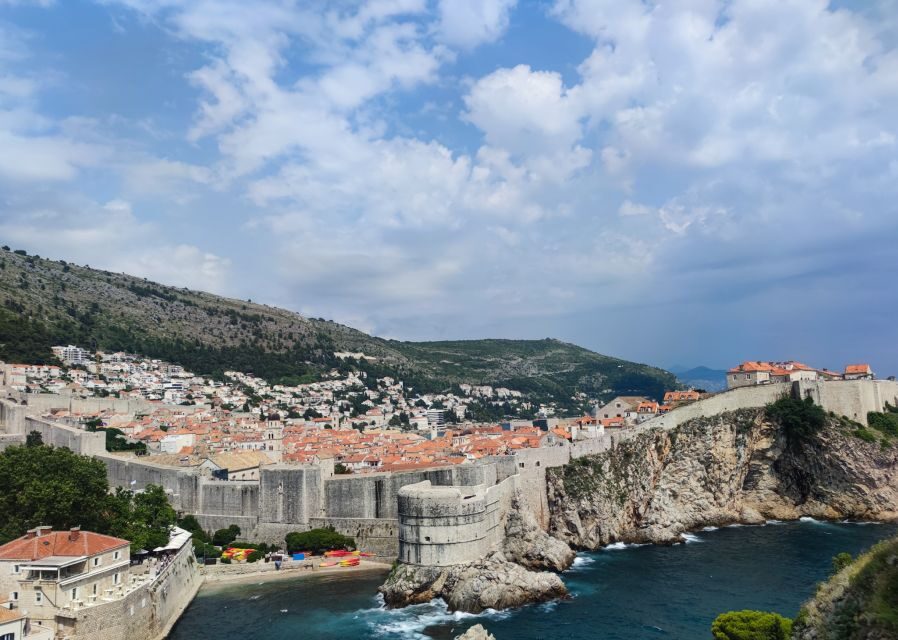
- Fort Lovrijenac viewpoint area: one of the best ways to understand the city’s dramatic setting.
- Market-and-eat recommendations: guidance for food stops without losing time hunting.
Meet at Ploče Gate: the fastest way to start seeing Dubrovnik clearly
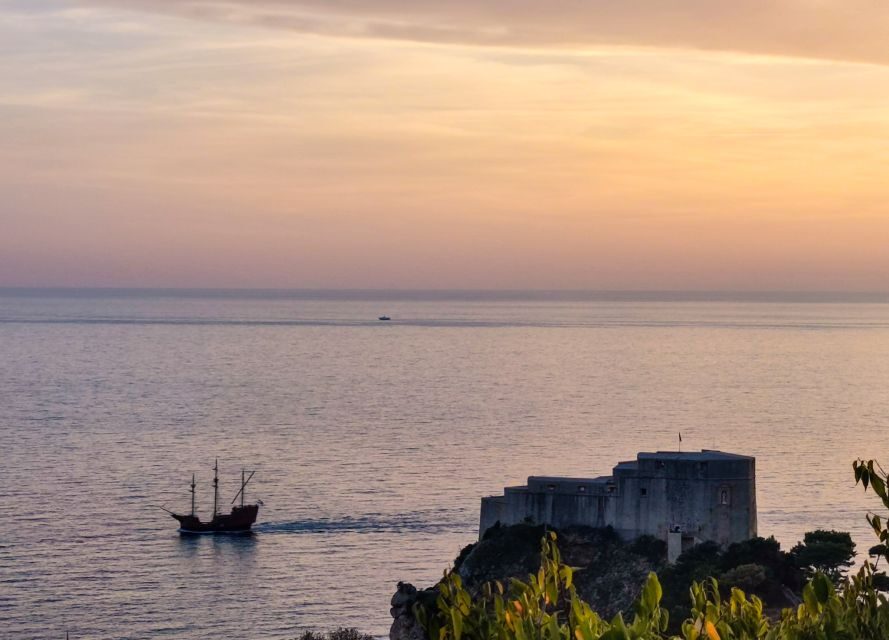
The tour meeting point is simple and central: right outside Ploče Gate on the eastern entrance to Old Town. Your guide will have a sign with your name, so you’re not playing guessing games among the flow of people. Because there’s no hotel pick-up, you’ll want to build in a little buffer time to reach the gate before your start.
Once you’re inside, the value of starting here becomes obvious. Dubrovnik’s Old Town can feel like one long photogenic hallway. A private guide gives you structure without killing the magic. In two hours, you’ll move through the walled core with enough orientation to understand where things are and why they matter—so later, when you wander on your own, you’ll actually know what you’re looking at.
And yes, it runs rain or shine. That matters in Dubrovnik, where weather changes fast. If the forecast looks rough, bring a light rain layer and shoes you trust. Old Town streets stay active even when it’s wet.
You can also read our reviews of more guided tours in Dubrovnik

What you’ll see in 2 hours: Bell Tower, Cathedral, and Onofrio’s Fountain
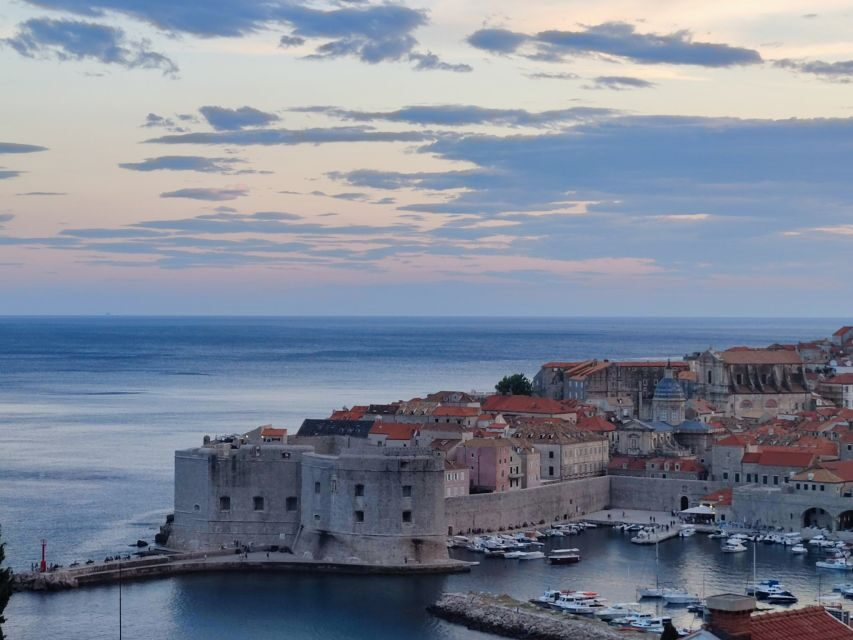
This isn’t a stop-at-every-sign brochure walk. It’s a walking route that focuses on the landmarks that anchor Dubrovnik’s story—and then connects those stops to what you can still feel in the streets today.
Expect three big “readable” sights early in the experience:
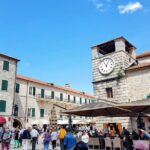
- Bell Tower: you’ll learn how it fits into the city’s major religious and civic identity, not just the skyline view.
- Cathedral: you’ll get the kind of context that makes the architecture feel less like decoration and more like the city’s priorities at different moments in time.
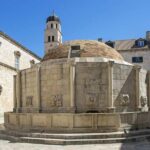
- Onofrio’s Fountain: you’ll be shown how water and public spaces mattered in daily life, not just as a photo background.
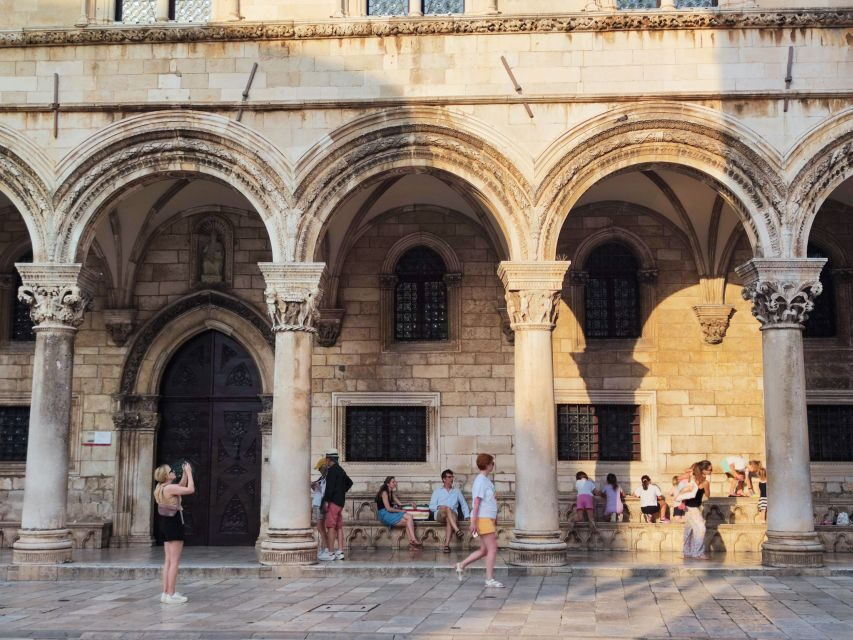
The tour also highlights Gothic, Renaissance, and Baroque architecture styles. That mix can sound like trivia until you walk close enough to notice how the details change. The guide’s job is to help you see the “why” behind those style shifts—so you don’t just spot pretty buildings.
One more reason this landmark trio works well in a short tour: it gives you a mental map. After Bell Tower, Cathedral, and Onofrio’s Fountain, you’re less likely to get lost in the maze of lanes, because you’ve got anchors.
Getting from Ploče Gate to Pile Gate without getting stuck in the crowd flow
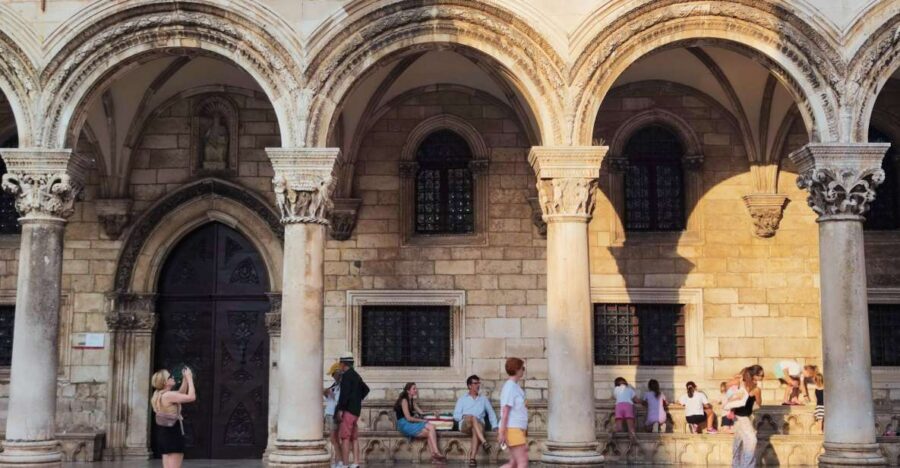
The classic route through Old Town can feel crowded, especially when cruise visitors surge. This private format helps because your guide can adjust the pace and pick when to step aside. You’re still seeing the main sights, but you’re not trapped in the slow-moving bottleneck of group tours.
In practice, the walk typically moves from Ploče Gate toward Pile Gate, with plenty of time between to explain what you’re seeing. That direction matters: it keeps the landmarks in a logical order, so you don’t spend your time backtracking. It also makes your later self-guided wandering easier, because you’ll understand the spine of the town.
Here’s how you can use this tour for maximum payoff:
- Pay attention during the “in-between” moments, not just at the highlights.
- Ask questions when something catches your eye—street patterns, doorways, building shapes.
- If you want a slower pace for photos, tell your guide upfront; private tours are made for that.
The best sign that this format is working is when you start recognizing streets. By the end of two hours, you should feel like the Old Town is no longer a maze—it’s a place with logic.
Fort Lovrijenac: the city’s drama in one viewpoint approach
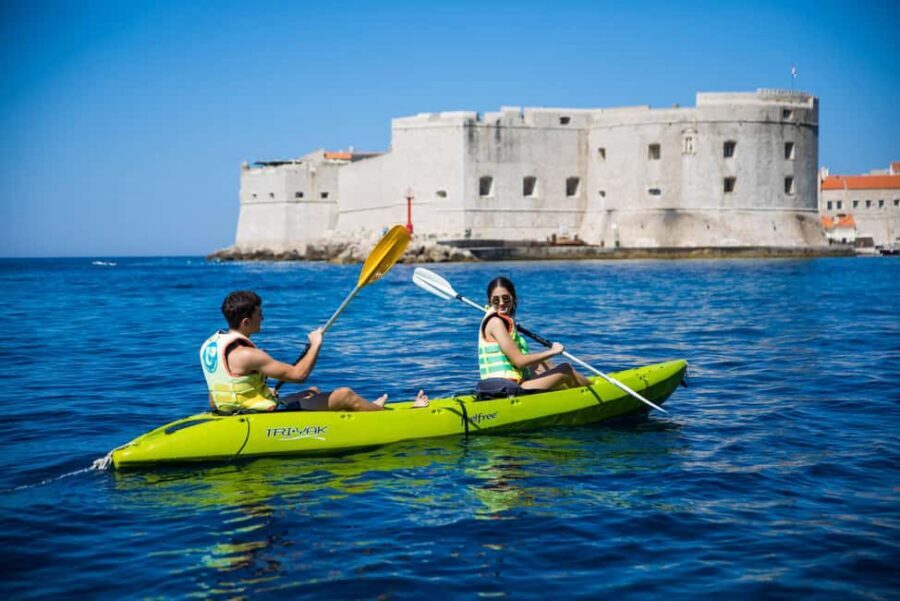
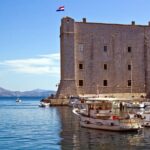
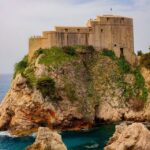
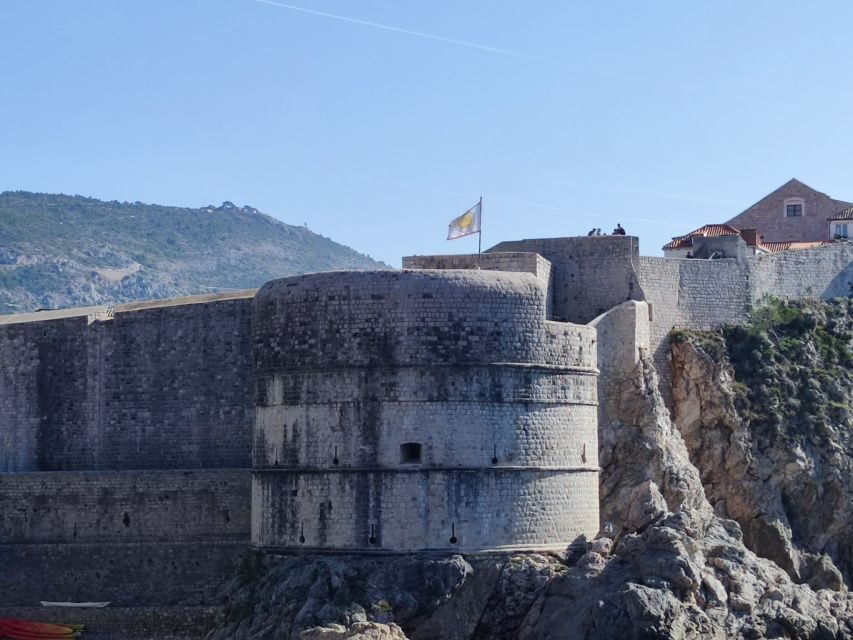
You’ll spend time connected to Fort Lovrijenac, a spot that people often associate with the city’s dramatic walls and sea-facing energy. Even if you’re not planning a longer fort visit, the guide’s storytelling here is the point.
Why it matters for your understanding: Dubrovnik is a fortified city, and the fort context helps explain why so many buildings and street choices feel designed for defense as much as daily life. Standing near the approach area (and moving through the surrounding streets with explanation) turns the fort from a distant landmark into part of the city’s practical geometry.
If you’re traveling with teenagers or friends who need a little excitement, this is often where the tour feels most alive. It’s also a natural place to slow down and absorb the views, because the area tends to give you a stronger sense of how the sea and walls shape the town.
Hidden corners, markets, and where locals eat (the smart way)
The tour includes time for the sights and sounds of markets and eateries. That might sound small, but it’s exactly what makes Old Town feel like a living place instead of a museum set. You’ll pick up details you’d miss if you only chase official monuments.
More importantly, your guide can steer you toward food choices that fit your time and mood. One recurring theme in the tour feedback: guides like Ana have offered specific recommendations for wine bars and restaurants, including quick options slightly off the main routes. That’s real value. In Dubrovnik, it’s easy to end up at places that are convenient but overpriced—or far from your next plan.
If you want a practical strategy, use the tour like this:
- Pick two “food directions” from your guide (one quick, one longer).
- Then plan the rest of your afternoon around those picks.
- Don’t force every meal into the next available lunch spot; let the guidance prevent that.
If you’re also curious about a break for a swim or a cliffside moment, the guide can point you to nearby areas based on what you’re comfortable with. Just keep expectations realistic: you’re on a walking tour, not a supervised adventure.
You can also read our reviews of more private tours in Dubrovnik



Pace, group size, and comfort on Dubrovnik’s cobblestones
This is a private group tour. Up to 6 people means you’re not sharing audio with strangers, and you’re not watching a guide wave you along while you trail behind. It’s the kind of setup that works especially well if you:
- want a relaxed pace,
- like asking questions,
- have mixed ages in your group,
- or just don’t want to fight for position at every photo stop.
Wheelchair accessible is listed, which is important given the Old Town’s uneven surfaces. Still, I’d treat accessibility as a “confirm and adapt” situation: even when a route is marked accessible, cobblestones can affect comfort and speed. If mobility is a concern, ask your operator ahead of time what the walking surfaces and turning points are like so you can plan fairly.
What to wear: comfortable shoes matter more than you think. Two hours in Dubrovnik can feel longer because you stop, look up, and take photos. When it rains, the stones get slick—so plan for traction.
Price and value: is $212 per group worth it?
The price is $212 per group up to 6 for a 2-hour walking tour. On the surface, that’s not a low number. But private guided tours in major historic sites often price for expertise and time, not just steps.
Here’s how I’d judge the value:
- If you travel as a full group of 6, it works out to about $35 per person for a licensed local guide for two hours.
- You’re also buying efficiency: you spend your limited time learning what to notice, rather than walking around hoping things “click.”
- You get flexibility—your pace and interests shape the walk, including the chance to focus on architecture, stories, or practical food guidance.
If you’re a solo traveler or a couple, the per-person cost rises. That’s where the private factor either feels worth it or not, depending on how much structure you need. If you like a plan and clear context, it’s usually a good match. If you prefer to wander completely on your own, you might choose a different option.
Who this tour is best for (and who should consider another plan)
This tour fits best if you want:
- a guided overview that helps you understand Dubrovnik quickly,
- landmark coverage with time to breathe,
- and recommendations that save you time—especially for food and drink.
It’s also a strong fit for mixed groups: couples, families with older kids, friends who want history plus atmosphere, and anyone who doesn’t want to spend the trip pinned to a loud group pace.
Consider another option if:
- you have very specific interests that require a longer, specialized visit,
- you’re looking for a long stop-and-enter museum style itinerary (this is a walking tour),
- or you already feel fully confident navigating Old Town by yourself.
Should you book this Dubrovnik Old Town private guided tour?
If your goal is to understand Dubrovnik’s Old Town in just two hours, I think booking this private walk is a smart move. The meeting point at Ploče Gate keeps things efficient. The mix of Bell Tower, Cathedral, Onofrio’s Fountain, and Fort Lovrijenac gives you both structure and payoff. And the private format is what turns crowded streets into something you can actually enjoy at your own speed.
If you’re price-sensitive, treat it like a value question: split the cost with up to 6 people, or book only if you’ll use the guide’s context for your sightseeing and meals. Either way, show up with comfortable shoes and a willingness to ask questions—this tour is built for conversation, not just walking.
FAQ
Where does the Dubrovnik Old Town private tour meet?
You’ll meet right outside Ploče Gate, the eastern entrance to the old town. The guide will have a sign with your name.
Is hotel pick-up included?
No. Hotel pick-up is not included.
How long is the guided tour?
The tour lasts 2 hours.
Is the tour private or shared with other groups?
It’s a private group tour. Only your group participates.
What languages are offered for the live guide?
The live guide is available in English and Croatian.
Does the tour run in bad weather?
Yes, it takes place rain or shine.