REVIEW · DUBROVNIK
Croatian Traditional Cuisine: Peka Cooking Lesson
Book on Viator →Operated by Florio za turizam i turisticka agencija d.o.o · Bookable on Viator
There’s a reason peka tastes different. In the hills above Dubrovnik, you’ll cook (and eat) a Croatian classic under a bell-shaped dome in the village of Mokošica. I love how this lesson is hands-on and focused on the real technique—fire, heat control, and timing—rather than a rushed demo. I also love the people factor: the host Florio and his family make it feel like a home visit, not a performance.
The best part is watching the full process come together into one hearty meat-and-vegetable meal. You’ll see how peka works with a domed lid over coals (and sometimes stone), plus you’ll get to taste what comes out of it. One consideration: it’s not a quick city stop. You’ll be spending a morning away from Dubrovnik’s center, and the price is on the higher side for what is, at its core, a 4-hour cooking-and-lunch experience.
In This Review
- Key highlights you’ll care about
- Peka in Mokošica: How the domed oven cooks flavor
- Florio’s peka lesson feels like a home visit
- The 4-hour rhythm: from peka setup to eating lunch
- Village Mokošica and the ride from Dubrovnik
- What you really learn (and how to use it later)
- Price and value: is $162.47 fair for this kind of experience?
- Vegetarian and English: can you tailor it?
- Who should book the peka cooking lesson near Dubrovnik?
- Should you book this peka cooking lesson?
- FAQ
- Where does the Croatian peka cooking lesson take place?
- How long is the experience?
- What time does it start?
- What is included in the price?
- Is pickup and drop-off included?
- Is it a private tour?
- Is there a vegetarian option?
- Is the tour offered in English?
- Can I cancel and get a refund?
Key highlights you’ll care about
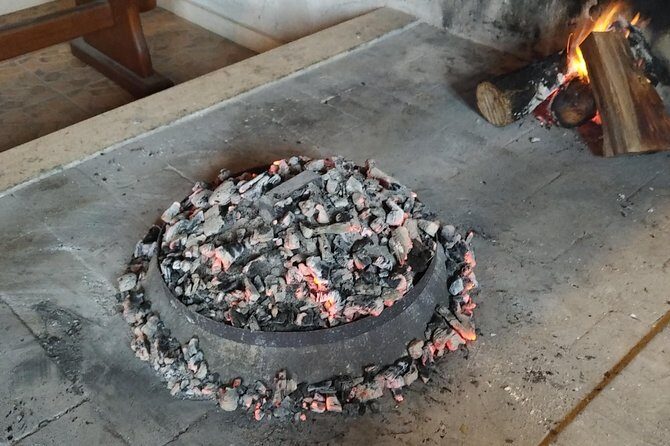
- A real peka setup with the bell dome and coals/stone approach that gives the dish its distinct character
- Florio’s home-style hosting, including family involvement and practical talk about food and daily life
- A small group (max 8), which makes the lesson feel personal instead of crowded
- Lunch and homemade wine included during the seasonal window (with lunch timing options)
- Vegetarian option available, if you request it when booking
- Scenic countryside drive near Dubrovnik, with war-era stories along the way mentioned in the experience
Peka in Mokošica: How the domed oven cooks flavor
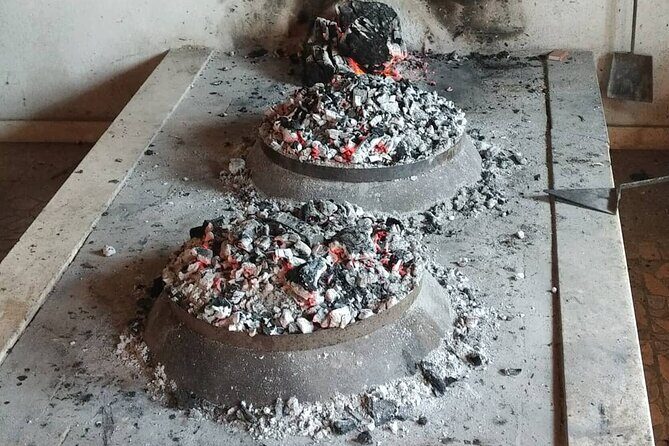
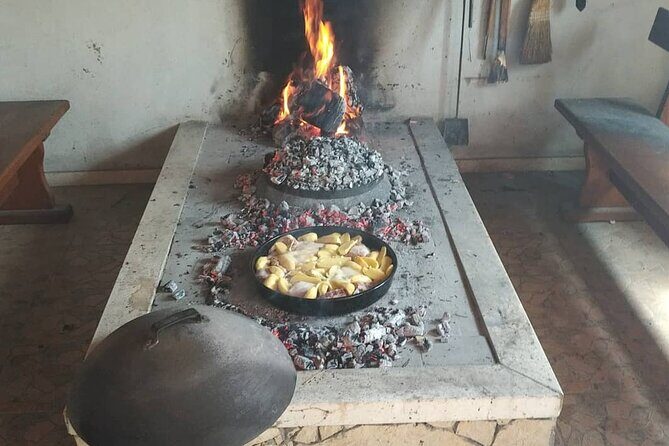
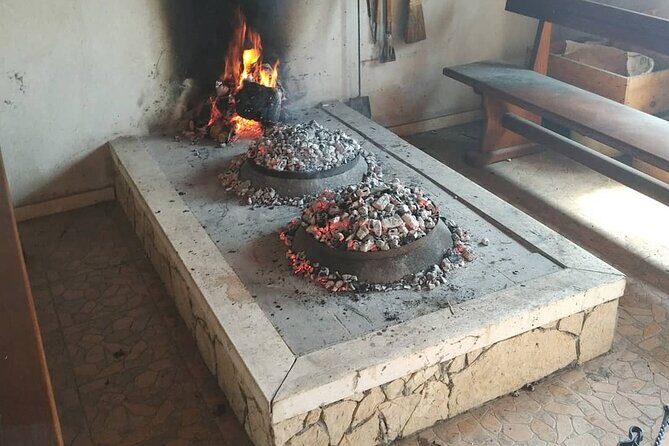
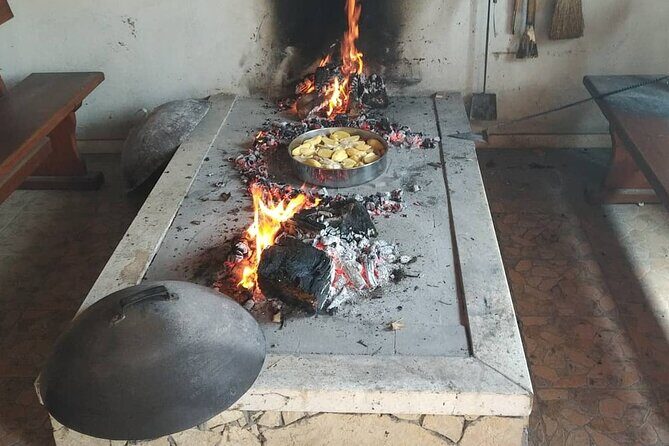
Peka is Croatian comfort food with a serious heat trick. The centerpiece is that bell-like dome that sits over meat and fresh vegetables, trapping heat so everything cooks evenly and stays juicy. The method sounds simple, but it takes judgment—how hot the coals are, how the lid sits, and how long you let it cook—because peka can’t be microwaved into perfection.
What you’ll learn is how peka differs from typical roasting. Instead of cooking in a standard oven, the food sits beneath the dome in a fireproof pot under coals or directly on a stone slab, depending on the setup. The finished dish is usually built around meat such as veal, lamb, or yearling beef, often covered with potatoes and vegetables, so you get one meal that’s both main course and side in a single bake.
A detail I like: peka “connoisseurs” prefer earthenware over basic metal or cast iron, because it handles heat in a specific way. You don’t need to be a cookware nerd to enjoy the results, but it’s a useful lens for understanding why peka tastes the way it does. If you’ve ever had peka and wondered why it seemed smoky, tender, and slightly earthy at the same time, this is the explanation you’ll get on the ground.
You can also read our reviews of more cooking classes in Dubrovnik
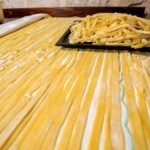
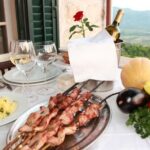
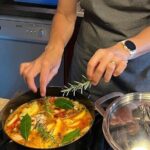
Florio’s peka lesson feels like a home visit
This is not a big, school-style cooking class with plastic aprons. The experience is centered on Florio za turizam i turisticka agencija d.o.o and takes place at OPG Vukojević in the village of Mokošica, with Florio and his wife (and family) involved in the process. That home setup matters. It changes the tone from instruction-only to conversation and hospitality, where you can ask real questions and hear real context.
One of the most praised parts is Florio himself. In particular, one review highlights his hands-on style, making many things himself, and the fact that the experience doesn’t feel staged. Another review calls out the warmth and the “no make up” feel of the visit—meaning, you get plain, direct hosting instead of a scripted pitch. The practical benefit for you is that you’ll likely remember what you learned, because it’s tied to stories about how people cook and live in the area.
You’ll also get more than the dome and the meat. Reviews mention homemade bread, cheese, olive oil, plus grappa and wine as part of the broader hospitality while the food is cooking. Even if you only came for peka, this extra food context helps you understand why Croatian meals often come as a sequence, not just one plate.
The 4-hour rhythm: from peka setup to eating lunch
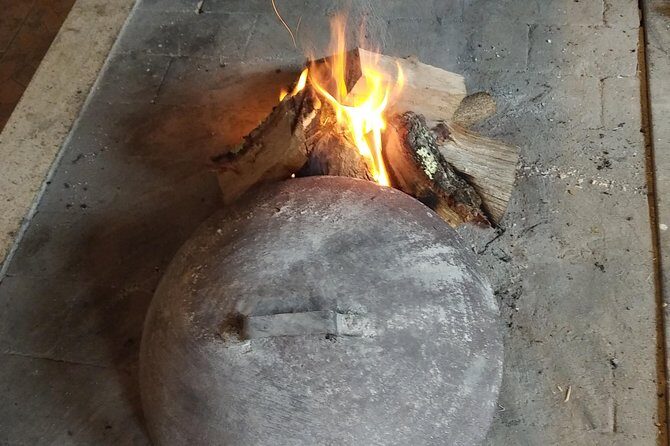
The tour runs about 4 hours, starting at 9:00 am. Seasonal details matter here: lunch is included only from 01.04.2026 until 30.10.2026, and the cooking class starting time is tied to lunch scheduling, with only lunch time offered for the class starting at 09:30 am. In other words, if you want this experience, check your date carefully so you’re booking the right seasonal window.
What the morning looks like is simple and satisfying. You’ll start with the host and cooking team getting everything ready for peka—meat and vegetables prepared so they go under the dome. Reviews describe a demonstration of peka cooking meats and potatoes on an outdoor fireplace with a metal dome, then you wait a bit while the dome does its job.
While the peka cooks, you’re not left sitting in silence. You’ll be served homemade bread, cheese, and olive oil, and you’ll get information about food and life in Croatia. This is one of the reasons people rate this so highly: the lesson includes downtime that becomes part of the experience. Instead of watching one cooking clip and leaving, you sit with the meal process.
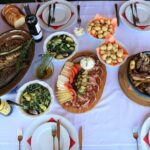
Eventually, the peka comes out as the main event. Expect a hearty meat-and-vegetable dish—often built around veal, lamb, or yearling beef with potatoes and vegetables. And if you’re a wine person, you’ll be in good shape: the experience includes homemade wine, and peka is traditionally paired with local reds (one name you’ll hear for the pairing is miljas). You’ll leave full, but also with a clearer sense of what makes peka work.
Village Mokošica and the ride from Dubrovnik
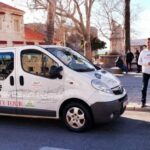
You’re based in Dubrovnik, but you go out to the hills for this. One highlight listed upfront is pickup and drop-off at your hotel in Dubrovnik, and the meeting point is in Mokošica at Ul. za Belendinovo 3, 20236. That countryside shift is a big part of why this feels authentic.
Along the way, reviews mention a converted railway station setting associated with the experience and roadside stops where you can see bunkers left over from the war. Importantly, the drive isn’t just transport. The driver in at least one account shared war-era stories, which adds context to the landscape and the people living there. If you like understanding what you’re seeing, this kind of storytelling can turn a short ride into a meaningful prelude.
One practical note: you’re traveling through narrow roads. A review even mentions that Florio helped drive the host’s car through those tight stretches. If you’re bringing your own vehicle to the area, don’t assume you’ll be comfortable with every turn. If you feel nervous, ask the team what to expect.
What you really learn (and how to use it later)
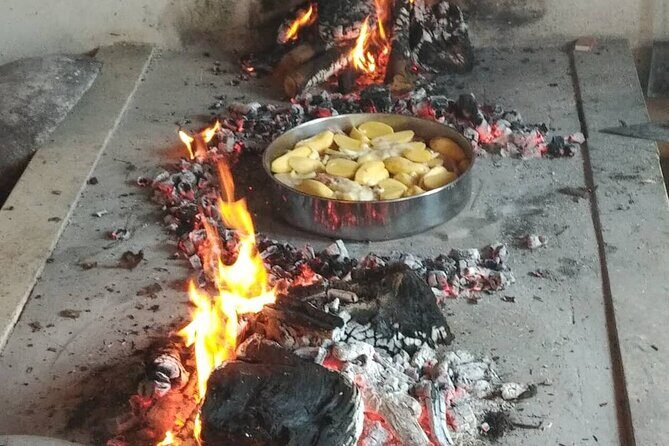
You’ll learn the peka technique in a way that sticks, because it’s not just recipe talk. It’s about the system: domed lid, controlled heat from coals, and cooking time that respects how the dome traps warmth. When you see food cook under a bell dome, you understand why the final result tastes different from oven-roasting. It’s about moisture retention, even heat distribution, and that gentle, steady cooking environment.
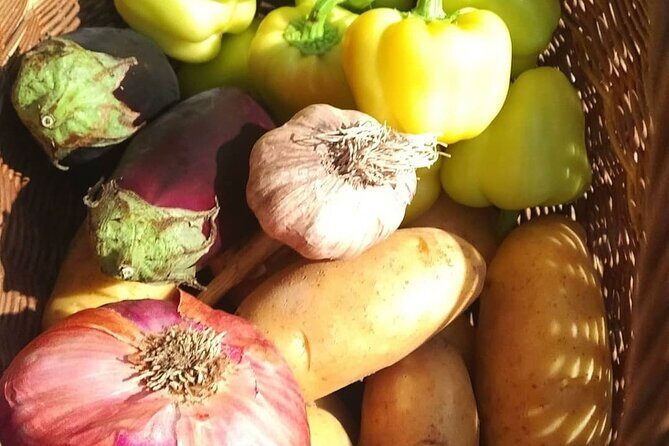
The lesson also gives you a sense of ingredient culture. Reviews highlight learning about the foods Croatians grow and the things they make, which is often what turns a “cooking class” into a cultural experience. Even if you never cook peka at home, you’ll pick up useful ideas about using local staples well—meat choices, potatoes as a cooking backbone, and vegetables that can handle long, steady heat.
And then there’s the product side. One review mentions Florio has homemade prosciutto, and others describe purchases like wine and olive oil to take home. That matters because you can extend the experience after the lesson ends. Buying local food products is a way to support the people you just ate with—and it’s also the easiest way to bring home a flavor memory.
You can also read our reviews of more tours and experiences in Dubrovnik
Price and value: is $162.47 fair for this kind of experience?
At $162.47 per person, this isn’t a bargain. But for what you get, the price can make sense—especially if you compare it to private, small-group food experiences with pickup and included lunch.
Here’s the value breakdown based on what’s actually included:
- Lunch is included in the seasonal period (01.04.2026 to 30.10.2026), with class timing for lunch starting at 09:30 am.
- Homemade wine is included.
- It’s private with a maximum of 8 people per booking, which is a big deal for a cooking experience where you want interaction.
- The tone is informal and family-based, not a mass-production tour.
Also, the “4 hours” length is long enough for the peka process to happen at a natural pace. Many food tours are short—meaning you taste something but you don’t understand how it got there. Here, you wait while the cooking finishes under the dome, and that waiting time is part of the lesson.
The main reason it might not be for everyone is budget. If you’re trying to keep Dubrovnik costs low, this will feel pricey for a single meal. But if you want a distinctive, off-the-beaten-path lunch tied to a real method—not just a tasting—this is a strong use of travel money.
Vegetarian and English: can you tailor it?
Good news: a vegetarian option is available. You’ll need to request it when booking, so the kitchen can plan the vegetables appropriately for the peka setup. The exact vegetarian structure isn’t described in detail, but the availability itself is a real plus for dietary planning.
Language is also covered. The experience is offered in English, and you’ll get confirmation within 48 hours of booking (subject to availability). That helps reduce anxiety, especially if you’re traveling in peak season and trying to lock in plans.
One more practical comfort point: this is listed as near public transportation, and you’ll receive a mobile ticket. Still, the experience is built around that morning schedule, so pick clothes you’ll be comfortable in for countryside time and plan to be outdoors near the cooking process.
Who should book the peka cooking lesson near Dubrovnik?
This experience fits best if you want more than food. If you like learning how people actually cook at home—why they do things a certain way—this will land well. The maximum group size of 8 helps, and the private setup means you’re not squeezed into a loud crowd.
It’s also a good match if you’re a couple or a small group of friends. The most praised element in the reviews is the personal hosting, including meeting Florio’s family and getting that warm, chatty hospitality while the peka cooks. If you’re traveling alone, you might still enjoy it because the small group format makes it easier to connect with the host and ask questions.
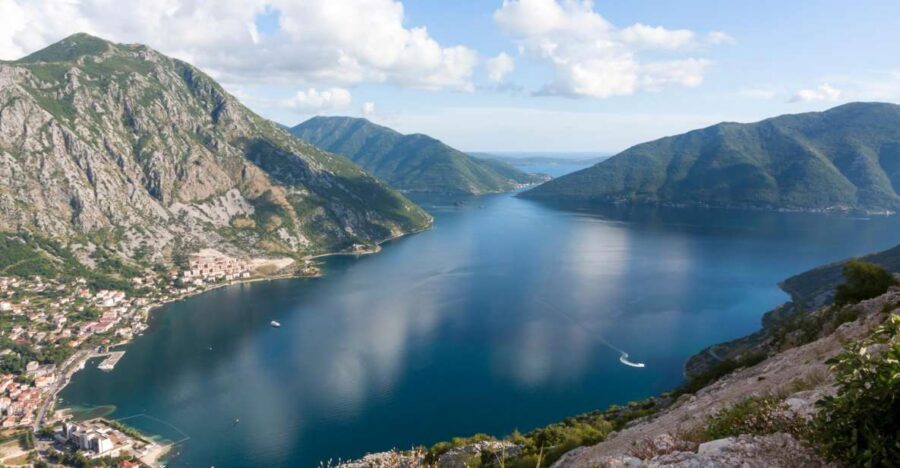
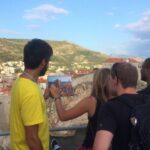
If you’re visiting Dubrovnik and you want to see beyond the city walls, this is also a smart choice. You’ll spend time in the hills near Mokošica, with scenic views mentioned in reviews, and you’ll hear stories that add context to the region. That combination—food plus place—tends to be what people remember long after Dubrovnik’s highlights fade.
Should you book this peka cooking lesson?
Book it if you care about technique, not just tasting, and you want a meal that’s tied to a real cooking method. If you’re comfortable spending more for a small, private experience, the value comes from the full peka process and the hospitality around it—bread, cheese, olive oil, wine, and the chance to talk with Florio during the cooking time.
Skip it (or at least reconsider) if your priority is budget-first sightseeing or you need a lightweight, no-wait experience. Peka takes time because it’s cooked under a dome, and that timing is part of what you’re paying for. Also, plan around the seasonal lunch window from 01.04.2026 to 30.10.2026.
If you’re a food traveler who likes authenticity and you don’t mind trading a bit of convenience for a far more personal lunch, this one is worth it.
FAQ
Where does the Croatian peka cooking lesson take place?
The experience is in the village of Mokošica near Dubrovnik, at OPG Vukojević. The meeting point is Ul. za Belendinovo 3, 20236, Mokošica.
How long is the experience?
It runs for about 4 hours.
What time does it start?
Start time is 9:00 am, and the cooking class/lunch schedule notes a starting time of 09:30 am for lunch.
What is included in the price?
Lunch is included in the seasonal period (01.04.2026 to 30.10.2026), and homemade wine is included.
Is pickup and drop-off included?
Hotel pickup and drop-off in Dubrovnik is listed as a highlight. Private transportation and transfer to and from the place are listed as not included, so it’s worth confirming what your exact transfer situation will be.
Is it a private tour?
Yes. It’s private, and only your group participates. The booking maximum is 8 people.
Is there a vegetarian option?
Yes. A vegetarian option is available, and you should advise at the time of booking.
Is the tour offered in English?
Yes, it’s offered in English.
Can I cancel and get a refund?
No. The experience is non-refundable and cannot be changed for any reason.