REVIEW · DUBROVNIK
Authentic Garden to Table Cooking Class in Dubrovnik Countryside
Book on Viator →Operated by Kameni Dvori - Holiday Village Konavle · Bookable on Viator
A 5-hour meal that starts in the garden. You’ll go from kneading homemade bread to tasting a full farmhouse lunch with garden-grown, seasonal ingredients. I love the hands-on rhythm and the fact that the menu shifts with what’s actually ready on the property. One thing to consider: you’ll be active, and depending on the dessert plan you may be asked if you want to try goat milking.
The family side is what makes this more than a class. Ivo (and Katarina) and the wider household share stories of the land and their multi-generational roots, including a family tree that spans centuries. If you’re hoping for a polished, restaurant-style experience only, this one feels more like being welcomed into their home and getting work done with them.
In This Review
- Key highlights you’ll feel on the day
- Dubrovnik Countryside Transfer: where the day starts (and why it matters)
- Welcome drink and the seasonal plan (not a copy-paste menu)
- Knead Your Own Bread: the traditional start that sets the tone
- The garden walk: eggs, cultivation, and learning by doing
- Main dishes that feel like a farm lunch: lovorno skewer and chicken stew
- Lovorno skewer: meat on bay leaf branches
- Farm-grown chicken stew with wine and homemade pasta
- Dessert and the goat milking moment (if milk is on the menu)
- 500-year family tree stories over homemade wine
- Dietary needs: what’s supported, and how to plan your expectations
- How the pacing feels in real time (it’s active, not a sit-down show)
- Value for $208: why this can be a smarter buy than it looks
- Who should book this (and who might prefer something else)
- Should you book this Dubrovnik countryside cooking class?
- FAQ
- How long is the cooking class?
- What price should I expect per person?
- Is pickup offered, and where does the experience start?
- What language is the class taught in?
- Can the class accommodate vegan, vegetarian, or gluten-free diets?
- What is the group size limit?
- What is the cancellation policy?
- Are service animals allowed?
Key highlights you’ll feel on the day
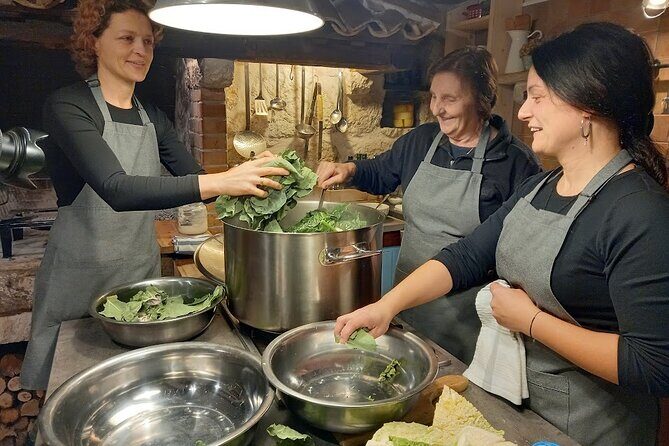
- Hands-on bread: you knead your own dough using a traditional approach
- Garden to plate: you collect ingredients like fresh eggs and use what the garden can provide
- Seasonal menu flexibility: the dishes match what’s available, not a fixed script
- Croatian farm cooking with real technique: bread, pasta, skewer-style pork, chicken stew, and dessert
- Family history over dinner: you’ll hear stories that connect food to place
- Small group size (max 8): more talking, more help, less waiting around
Dubrovnik Countryside Transfer: where the day starts (and why it matters)
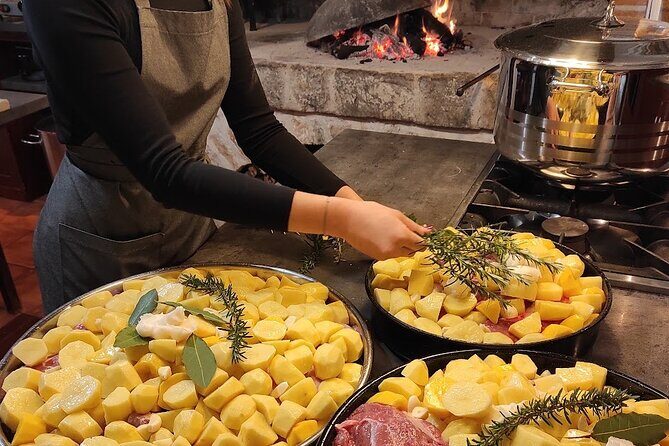
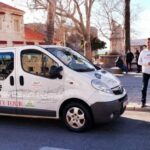
This class runs out of Kameni Dvori – Holiday Village Konavle in the Konavle area. If you want to escape Dubrovnik’s stone-and-crowd rhythm, that transfer is a big part of the value. You’re picked up via vehicle transfer options (8, 7, and 3 occupants), and the cars display a sign that makes it easy to spot the right ride.
Plan on about 5 hours total, and remember the group is kept small, up to 8 travelers. That matters because you’re not just watching someone cook. You’re expected to participate: bread kneading, prepping ingredients, and cooking steps that actually change the meal.
For practical planning, bring a relaxed attitude. This is outdoors for the garden portion, and it’s hands-on in the kitchen. Comfortable shoes help if you’ll be walking on uneven paths around the homestead area.
You can also read our reviews of more cooking classes in Dubrovnik
Welcome drink and the seasonal plan (not a copy-paste menu)
When you arrive, you’re greeted with a welcome drink and shown how the day will run. Then you learn what you’ll be cooking based on the season and what’s available in the garden. That’s a key detail: you’re not paying for a “tourist menu.” You’re paying for the version of Croatian farm cooking that matches the time of year.
In a place like Konavle, seasonal food isn’t a marketing slogan. It shapes the whole day—what ingredients you gather, what the kitchen uses, and even what the dessert situation looks like. If you’re the kind of person who likes seeing how cooking changes when ingredients change, you’ll get a lot out of this.
You also get a clear sense that the family treats the homestead like a working place, not just a show. The cooking is tied to the garden and to local farm production.
Knead Your Own Bread: the traditional start that sets the tone
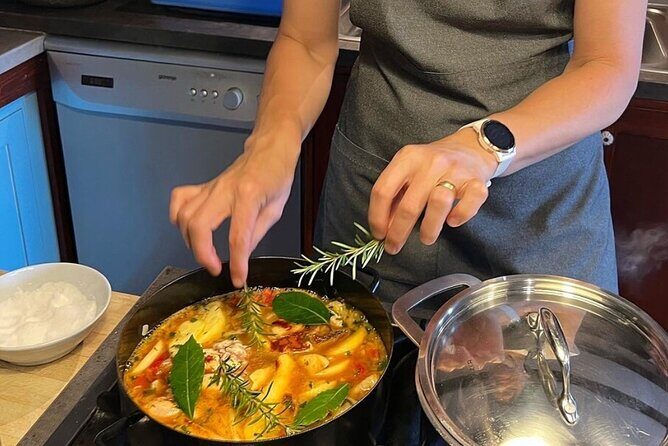
The class kicks off with making homemade bread using a traditional recipe. You don’t just roll dough once for photos—you knead. Everyone participates, and it’s a real first step that gives you momentum for the rest of the cooking.
This is one of my favorite parts of any cooking class: bread making slows everything down in the best way. It’s hands-on, it helps you understand texture and feel, and it gives you a practical takeaway. Even if you never make the exact same bread again at home, you’ll learn what “working the dough” really means.
If you’re worried about technique, don’t. The point isn’t perfection; it’s doing the process. And because the rest of the meal is built around the work that’s happening, you’ll feel like your actions have a direct line to what ends up on your plate later.
The garden walk: eggs, cultivation, and learning by doing
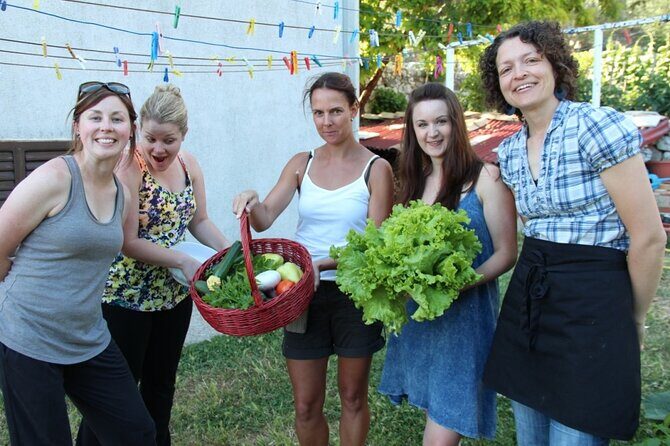
Next comes the garden visit. This is where the “garden to table” idea becomes real. You’ll hear a presentation about how cultivation is done, and you’ll gather ingredients yourself—fresh eggs are part of the experience.
This portion helps you connect the taste you’ll have later with the source. When you collect the eggs and see how ingredients are grown, the food stops being generic. It becomes personal: you know exactly what was picked and why.
You’ll also get a sense of how the homestead kitchen connects to the wider food system in the region. The class uses ingredients produced on the property or from local family farms, and that’s why the menu stays seasonal. It’s also why the meal tends to feel “simple but complete” rather than complicated for show.
Main dishes that feel like a farm lunch: lovorno skewer and chicken stew
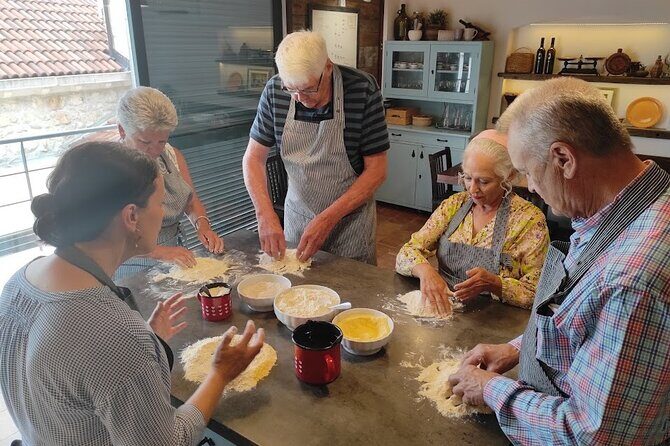
After the garden time, it’s back to the kitchen and into the cooking flow. The sample menu gives you a strong idea of what you’ll likely work with, but remember it can adjust by season.
You can also read our reviews of more tours and experiences in Dubrovnik
Lovorno skewer: meat on bay leaf branches
One featured main is Lovorno Skewer—pork meat on bay leaf branches, served with potatoes in a country style, plus boiled vegetables seasoned with homemade olive oil and a seasonal salad. The bay leaf branch detail is more than a visual quirk. It links flavor to the herb life of the region and reinforces that olive oil and herbs aren’t “garnish.” They’re core.
Farm-grown chicken stew with wine and homemade pasta
Another main option is a farm-grown chicken stew. You’ll prepare it using fresh vegetables and fruits, cooked with wine, then served with homemade pasta. This combination is classic Mediterranean logic: wine for depth, produce for brightness, and pasta that turns the stew into a full meal.
In practice, you’re learning how to build flavor in stages: vegetable prep, meat cooking, liquid and wine, then the final assembly around pasta. You’ll taste the difference between “ingredients” and “dinner,” and that’s the real training value here.
Dessert and the goat milking moment (if milk is on the menu)
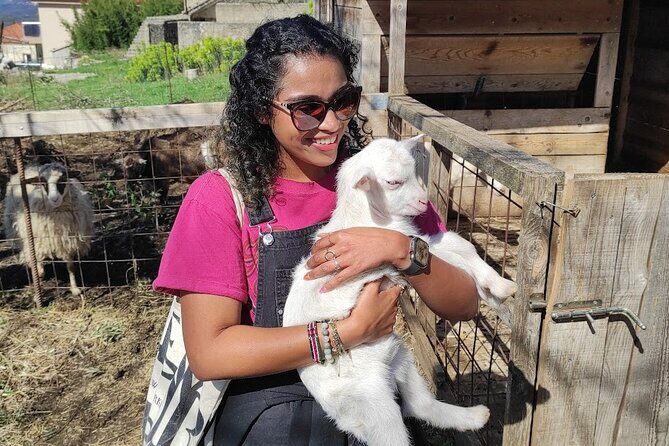
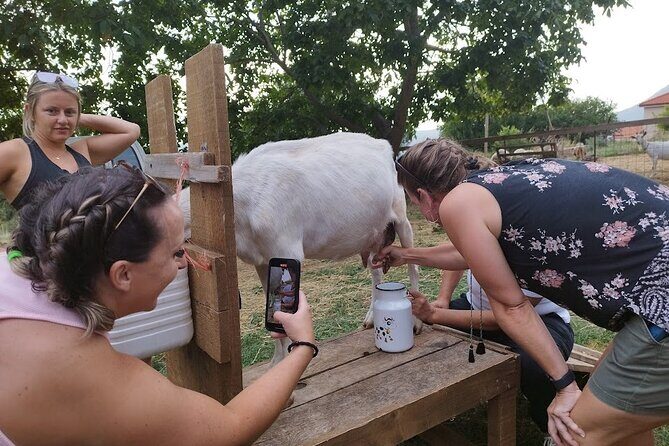
Dessert in this experience is listed as Grandma’s cake. And here’s the part that can surprise some people: if the dessert includes milk, the host may offer the experience of milking a goat.
This isn’t automatic for every season, but it’s specifically tied to what’s happening with ingredients for dessert. If you’re curious and comfortable with farm life, it can be memorable. If you prefer not to do hands-on animal activities, just tell your hosts where your comfort line is. The class structure is friendly and interactive, so it’s usually easy to participate in the parts that fit you.
Either way, the key takeaway is that nothing here is totally separate from farm operations. Dessert isn’t just sweet. It connects back to the day’s ingredient story.
500-year family tree stories over homemade wine
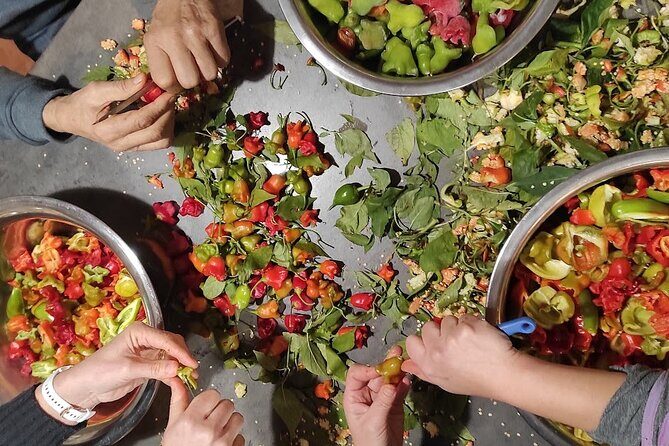
While the food cooks, the hosts share family stories tied to the property and its past. You’ll hear about the family tree—stories that span about 500 years.
Then, at the end, you eat. The meal is served with homemade red or white wine, depending on what’s being used for the day’s table. This is where the class becomes a social event. You’re not rushing out to catch a bus right after cooking. You’re sitting down while the hosts connect the food to the place.
It’s also one of the most “you’ll remember this later” parts. Food teaches, but stories stick.
Dietary needs: what’s supported, and how to plan your expectations
The class can provide vegan and vegetarian meals, and it also offers gluten-free meals. They say they can accommodate flexible dietary restrictions, so you’re not stuck with a single option.
Here’s how I’d think about planning: you can expect the kitchen to make changes for the needs they can handle, but the overall day is built around ingredients gathered in season. That means the exact dishes might shift to match your requirements while still keeping the experience grounded in the same farm-to-table method.
If you have a serious allergy, message the provider with your specific restriction as early as you can. The class is small, and detailed prep helps keep things safe and enjoyable.
How the pacing feels in real time (it’s active, not a sit-down show)
The day is about five hours, which sounds short until you realize it includes:
- bread kneading
- a garden visit and ingredient gathering
- cooking multiple components
- eating a full meal with wine
- listening to family history stories
It’s not a passive “watch and taste” program. You’ll likely spend time both outside and inside, and you’ll be doing tasks rather than just observing. If you enjoy rolling up your sleeves and learning through action, you’ll find the time flies.
The only drawback angle I’d flag is comfort with participation. If you want a strictly hands-off cooking demonstration, this may feel a bit too involved.
Value for $208: why this can be a smarter buy than it looks
At $208 per person, you might wonder if you’re paying for a meal or for a curated experience. The honest answer is: you’re paying for both, and the balance is the point.
You get:
- small-group access (max 8)
- real ingredient sourcing via a homestead garden and local farms
- hands-on bread making and cooking steps
- a full meal with homemade wine
- family history storytelling tied directly to the property
When you compare that to standard walking tours or short tastings that don’t include active cooking or a full sit-down meal, this can feel like better value—especially if you’re coming to Dubrovnik already planning restaurant meals. This isn’t just eating Croatian food. It’s learning the logic behind it, with ingredients that are actually grown and processed locally.
Also, the class is booked well in advance (around 132 days on average). That’s a clue that people treat it as a top-day plan, not a last-minute add-on.
Who should book this (and who might prefer something else)
I’d point this class toward you if:
- you want to get out of the Dubrovnik crowds and spend the day in Konavle countryside
- you like hands-on cooking (bread kneading and meal prep)
- you care about where food comes from and how seasonal growing changes the menu
- you enjoy stories with real names tied to the place (Ivo, Katarina, and the family group helping around the day)
I’d think twice if:
- you dislike farm-style participation and prefer to watch rather than do
- you’re uncomfortable with the possibility of interacting with farm animals (goat milking only if the dessert uses milk)
- you need a very strict, non-negotiable set of dietary ingredients with no flexibility (they can handle vegan/vegetarian and gluten-free, but seasonal menus still drive the kitchen)
Should you book this Dubrovnik countryside cooking class?
If you like food that’s rooted in real places, I think you’ll enjoy this. The strongest parts are the hands-on bread, the garden sourcing with ingredients like fresh eggs, and the way the family turns the meal into a story you can actually taste. For the price, you’re getting far more than a sample menu: you’re getting a small-group day that feels like work you’ll be proud of and dinner you won’t forget.
Book it if you want an authentic farm-to-table experience with Croatian culture built into the process. Skip it only if you’re looking for a low-participation, purely observational activity.
FAQ
How long is the cooking class?
The experience runs for about 5 hours.
What price should I expect per person?
The price is $208.00 per person.
Is pickup offered, and where does the experience start?
Pickup is offered by vehicle transfer, with vehicles displaying a sign that says Cooking class. The start meeting point is Kameni Dvori – Holiday Village Konavle, Lovorno 11, 20215, Gruda, Croatia.
What language is the class taught in?
The class is offered in English.
Can the class accommodate vegan, vegetarian, or gluten-free diets?
Yes. Vegan and vegetarian meals are available, and gluten-free meals are also available. The provider says they can accommodate flexible dietary restrictions, so you should share your needs when booking.
What is the group size limit?
This activity has a maximum of 8 travelers.
What is the cancellation policy?
You can cancel for a full refund up to 24 hours before the experience starts. If you cancel less than 24 hours before the start time, the amount paid isn’t refunded.
Are service animals allowed?
Yes, service animals are allowed.