REVIEW · DUBROVNIK
Traditional Cooking Class in Dubrovnik Countryside
Book on Viator →Operated by FABULA RAGUSEA · Bookable on Viator
Cooking on a real farm changes everything. This traditional Dubrovnik countryside class is built around garden-to-table Dalmatian food and a shared meal with homemade wine. You’ll spend about five hours with a local chef learning how dishes come together, from simple starters to dessert.
I love how small-group size keeps things personal, and I love the focus on what the family grows and makes. One possible drawback: some of the time leans toward storytelling and tasting, so if you want a very technical, step-by-step cooking class plus printed recipes, you’ll want to ask what level of instruction they provide.
In This Review
- Key things to know before you go
- Dubrovnik countryside cooking: why this feels different
- Getting there: hotel pickup and the countryside shift
- The garden phase: your cooking starts outside the kitchen
- Dubrovnik Food Story: what you’ll taste before you cook
- The 4-course meal: Dalmatian cooking you can actually see
- Course 1: charcuterie and garden pickles
- Course 2: homemade veggie soup
- Course 3: the local main (meat or fish) plus seasonal veggies
- Course 4: local authentic cake for special occasions
- Homemade wine and liquers: great value, use some self-control
- Price and value: what $290.36 per person is really buying
- Who this is best for (and who should ask extra questions)
- Quick checklist before booking
- FAQ
- How long is the cooking experience?
- Is hotel pickup and drop-off included?
- Is a vegetarian option available?
- What language is the class offered in?
- How large is the group?
- Are drinks included?
- Should you book this Dubrovnik countryside cooking class?
Key things to know before you go
- Pick and cook with the season: garden produce and farm ingredients are part of the experience.
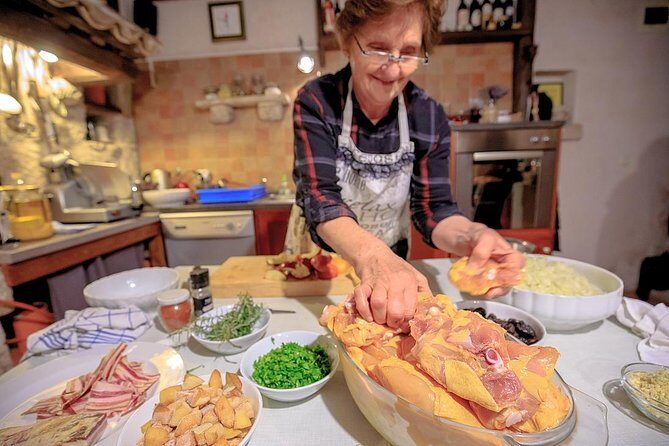
- Hands-on doesn’t mean hands-off: expect real kitchen work, from prepping food to making dough and assembling dishes.
- A 4-course Dalmatian meal: you eat what you help make, paired with included drinks.
- Homemade wine and liquers are included: good for culture, but pace yourself.
- Farm stories are part of the package: expect family history alongside cooking.
- Dietary needs can be accommodated: vegetarian is available, and dietary requirements can be advised at booking.
Dubrovnik countryside cooking: why this feels different
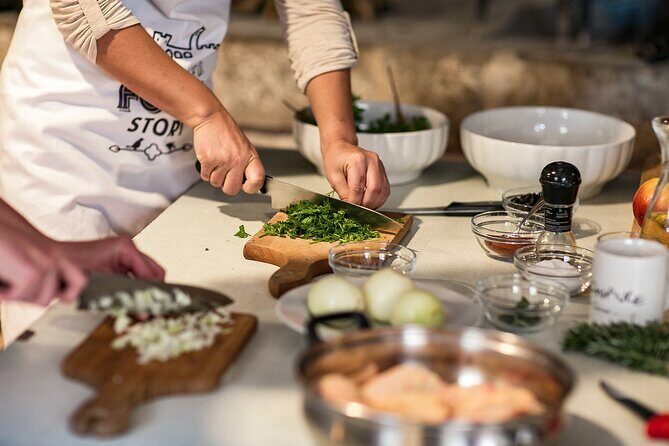
Dubrovnik is all stone streets and sea views. This experience gives you the other side of the region: food that comes from soil, trees, hens, and patient cooking. You’re not just watching a demo. You’re working in a real home kitchen with a local chef and a family behind the table.
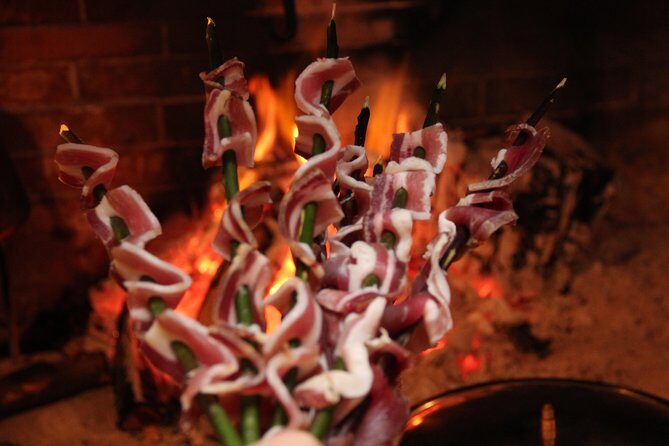
The best part is how the meal connects to the place. When you’re tasting homemade cured meats, garden pickles, and seasonal vegetables, it lands fast that Dalmatian cooking is built on what’s available and what’s worth preserving. And because the group stays small, you’re more likely to get actual help, not just instructions shouted across the room.
That’s also why it’s a good fit for people who want more than a checklist. If you’re the kind of traveler who likes to understand how locals eat—without turning it into a school test—this works.
You can also read our reviews of more cooking classes in Dubrovnik
Getting there: hotel pickup and the countryside shift
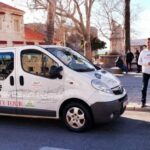
You’ll get round-trip transfer from your Dubrovnik hotel area by private car or minivan. That matters. Dubrovnik old town is not designed for hopping between activities, and this keeps your day simple.
Once you’re out of the city bustle, the pace changes quickly. The farm setting is the point: you’ll be in a working household, not a commercial restaurant kitchen. Expect a relaxed start that turns into a full afternoon—food prep, cooking time, then sitting down to eat together.
This is also why the timing helps. With about five hours, you have enough room to do the garden and kitchen work, then actually enjoy the meal instead of rushing straight to dessert.
The garden phase: your cooking starts outside the kitchen
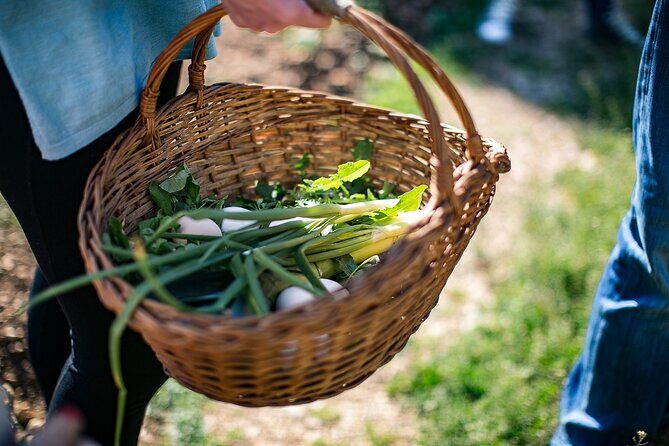
A lot of the magic happens before anyone turns on the heat. You’ll typically get a walk through the property and the garden areas tied to the meal. Many experiences also include farm moments like collecting eggs, and you may meet animals around the property.
In practical terms, this sets you up for the rest of the class:
- When you pick herbs and vegetables, you understand what changes flavor in the finished dishes.
- When you learn what the family grows and keeps, it makes the menu choices feel less random and more intentional.
- When the chef and family explain ingredients on the spot, the recipes stick better in your head.
You may also hear stories that connect food to family life over generations. That’s one of the reasons this experience gets such high praise for atmosphere. It’s not just a “do this, then do that” class.
Dubrovnik Food Story: what you’ll taste before you cook
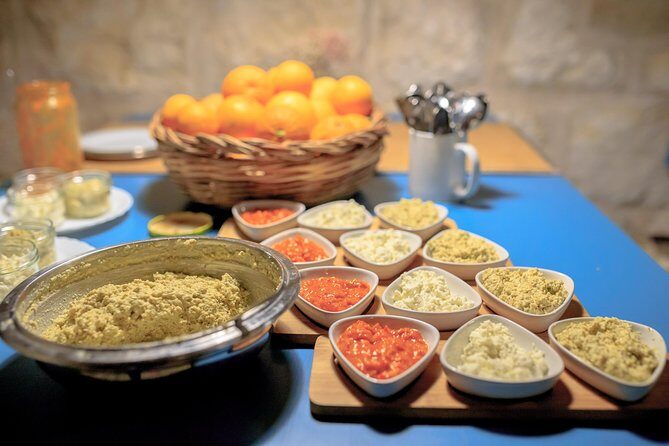
The day’s start is built around an intro and tastings, often framed as the local food story. You’ll typically begin with something drinkable and snackable, then move into the first course items and how they’re made.
A good example of what’s served early:
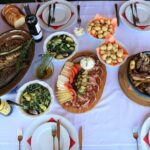
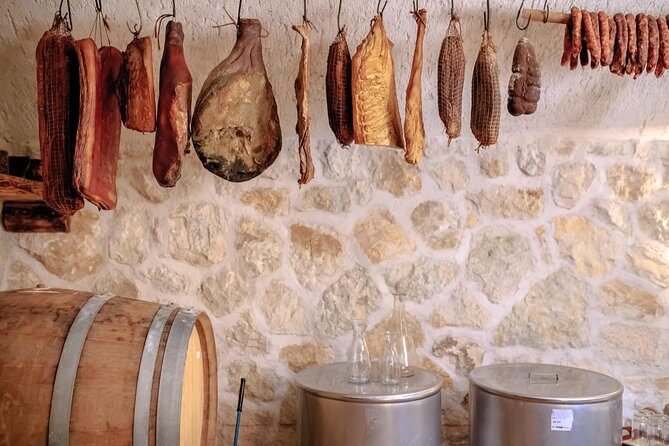
- A charcuterie board featuring prosciutto, sausages, cheeses, and pickles from the garden
- Homemade veggie soup made with fresh ingredients from the garden
- A welcome drink and coffee or tea during the experience
This is smart planning for the meal itself. You warm up your appetite, you learn what to look for in the flavors, and you get a sense of the family’s style before you start cooking for the next phases.
The 4-course meal: Dalmatian cooking you can actually see
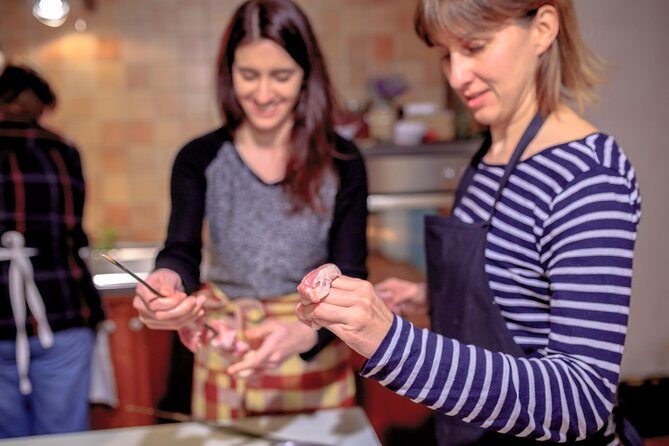
By the time you sit down, you’ll eat a full four-course lunch or dinner. Here’s what the courses look like on the menu provided for this experience, plus how to think about them as a cooking class.
You can also read our reviews of more tours and experiences in Dubrovnik
Course 1: charcuterie and garden pickles
This starter is about local cured meats and cheeses—plus the sharp, bright bite of pickles made from garden produce. It’s the kind of course that teaches you Dalmatian flavor logic: salty meets tangy, and the herbs and vegetables are not decoration. They’re structure.
In the kitchen, you’ll likely work on parts of bread and prep steps that complement this course. Even if you don’t do every curing-related task (that takes time and specialists), you’ll taste the end result and connect it to what goes into it.
Course 2: homemade veggie soup
This course is your “fresh and simple” lesson. The soup uses garden-picked ingredients, and the point is comfort food that still tastes clean and alive. If you’ve ever wondered why some meals taste better in the countryside, this is one of those answers: the ingredient freshness does half the job for you.
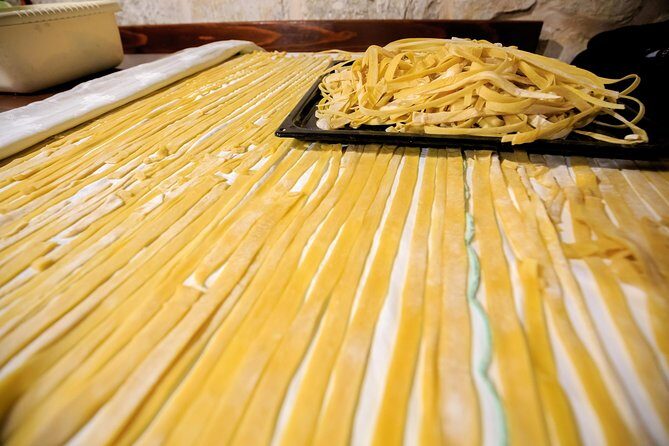
Expect chopping and basic prep work here. Some classes also include learning bread-making techniques during this stretch of the day, depending on timing and the flow.
Course 3: the local main (meat or fish) plus seasonal veggies
The main course is described as a local dish based on meat or fish, served with seasonal vegetables picked from the garden. That choice matters: it keeps the menu tied to what’s available and what the family feels is best that day.
In many reported experiences, you’ll also see or learn how they handle proteins like pork and the way they cook and smoke meats. You might not do every step alone, but you should leave understanding how the main gets from raw to plate.
Practical tip: if you’re a picky eater, tell the chef about your preferences at booking. The menu can be adjusted, and doing it early is better than trying to improvise once everyone starts cooking.
Course 4: local authentic cake for special occasions
Dessert is usually a local cake that’s prepared for special occasions in Dubrovnik and the surrounding area. The exact cake isn’t spelled out in the details you provided, but the theme is clear: this is not supermarket-style sweets. It’s home-baked, and it’s meant to finish the meal as a real celebration moment.
Some experiences include hands-on dessert steps like rolling or assembling, but the level of detail you’ll get can vary. If you care about taking something home as a usable recipe, ask early whether they provide recipe sheets and how detailed they are.
Homemade wine and liquers: great value, use some self-control
Alcohol is included here, and that’s a big part of why many people feel the price is justified. You may get:
- Homemade liquers
- Homemade table white and red wine
- Coffee and/or tea
That means the experience is doing two jobs at once: teaching cooking and hosting a full countryside meal. For value, it’s significant. Drinks at Dubrovnik restaurants add up quickly, and here you get them paired with the entire meal.
My practical advice: treat it like a long lunch, not a drinking contest. Start with tastings, drink slowly during prep and cooking, and keep water nearby if you have it. The food is heavy enough without speeding through the wine.
Price and value: what $290.36 per person is really buying
At $290.36 per person for roughly five hours, this isn’t a budget cooking class. You’re paying for:
- Private hotel pickup and drop-off
- A small-group, family-hosted setting
- A full 4-course meal
- Ingredients, kitchen tools, and the cooking guidance
- Homemade wine and liquers included
So the question isn’t just cost. It’s whether you want the full experience package: farm visit, hands-on cooking, sit-down meal, and drinks. If that’s your style, it can feel like a good deal because you’re not paying separately for transport, food, and beverages.
The trade-off shows up in the one negative angle you should take seriously. A few people felt the class included lots of conversation and not enough hands-on technique, especially compared with other European classes they’ve taken. That doesn’t mean it’s always true, but it means you should set your expectations:
- If your goal is step-by-step cooking instruction and takeaway recipes, communicate that clearly.
- If your goal is experiencing Dalmatian life through food, you’ll probably be happy with the format.
Who this is best for (and who should ask extra questions)
This experience fits best if you:
- Want a countryside setting outside Dubrovnik’s walls
- Like farm-to-table cooking where ingredients are part of the story
- Enjoy meeting a family and hearing how food ties to land and routine
- Prefer small groups over big tour buses
It can be less perfect if you:
- Need a very structured “cook with exact steps” lesson
- Expect written recipes to take home in a guaranteed way
- Have strict dietary requirements beyond vegetarian, because details can vary
Vegetarian is available if you ask at booking. Dietary requirements should also be advised at booking so the chef can plan ingredients ahead of time.
Quick checklist before booking
- Tell them you want hands-on cooking time (especially if that’s your main goal).
- Mention vegetarian or any dietary requirements at booking.
- If you’re sensitive to gluten or other ingredients, ask what they can provide and whether you’ll have the same items as others.
- Plan for a full meal. You’re going to be fed.
FAQ
How long is the cooking experience?
It lasts about 5 hours.
Is hotel pickup and drop-off included?
Yes. Pickup and drop-off are included from the closest point to your hotel or private accommodation in the city and surrounding area.
Is a vegetarian option available?
Yes. You can request a vegetarian option at booking.
What language is the class offered in?
The experience is offered in English.
How large is the group?
It’s a small-group activity. The booking is maximum 8 people, and the tour can have a maximum of 10 travelers.
Are drinks included?
Yes. Coffee and/or tea are included, and alcoholic beverages such as homemade liquers and table white and red wine are included.
Should you book this Dubrovnik countryside cooking class?
Book it if you want a real farm setting plus a sit-down Dalmatian meal, and you’re excited to learn by doing. The included food, drinks, and transfers add up, and the small-group format is exactly what makes these experiences feel personal instead of rushed.
Think twice (or email questions first) if your top priority is a highly technical cooking lesson with guaranteed take-home recipes and lots of individual instruction. In that case, ask directly what parts you’ll cook, whether recipes are provided, and how dietary needs are handled so you leave with what you came for.