REVIEW · DUBROVNIK
A walk through life in communist Yugoslavia
Book on Viator →Operated by Red History Museum · Bookable on Viator
Communist Yugoslavia often feels like a blur. This museum makes it concrete with interactive rooms and real 20th-century objects. I especially like the time-capsule room sets that turn big politics into scenes you can actually picture, and the way the exhibits connect everyday life to the system running behind it.
Two things I go for when I’m choosing a history stop: clarity and pacing. Here you get both, because the experience is designed to be self-guided in an intimate space, with interactive displays that keep you moving. You’ll also appreciate that your entry is prebooked, so you don’t have to spend your time hunting for a ticket desk.
One thing to keep in mind: the exhibits focus on the experience and the structure of the regime, but some visitors feel the late-stage breakdown of the system doesn’t get as much space as earlier parts. If you’re hoping for a very detailed endgame timeline, adjust your expectations.
In This Review
- Key things to know before you go
- Red History Museum: A small address with serious context
- Price and timing: what $211 is buying you
- Entering the Yugoslav world: how the exhibits are built
- Room sets and everyday objects: the parts that stick
- Secret police, totalitarian control, and the Non-Aligned story
- How long it takes, and how to fit it into a Dubrovnik day
- Who should book this museum (and who might not love it)
- Practical tips for getting the most from your visit
- Should you book the Red History Museum?
- FAQ
- How long does the Red History Museum visit take?
- Is admission included in the price?
- Do I need to buy a ticket on site?
- Where is the meeting point?
- Is a mobile ticket used?
- What’s the cancellation policy?
Key things to know before you go
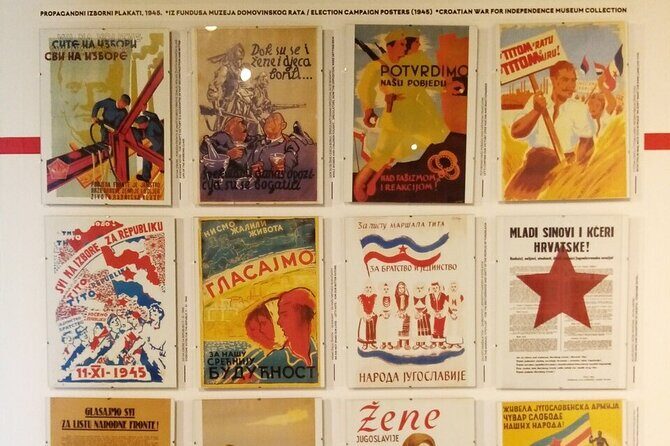
- Interactive room sets that translate politics into real-life scenes
- Prebooked admission for guaranteed entry on your chosen day
- 300 square meters of exhibits with new and old technologies
- Secret police and totalitarian control are part of the story, not an afterthought
- Non-Aligned history appears alongside art, design, and design choices of the era
- Small-scale visit (about 50 minutes to 1 hour 35 minutes) so it fits easily into a Dubrovnik day
Red History Museum: A small address with serious context
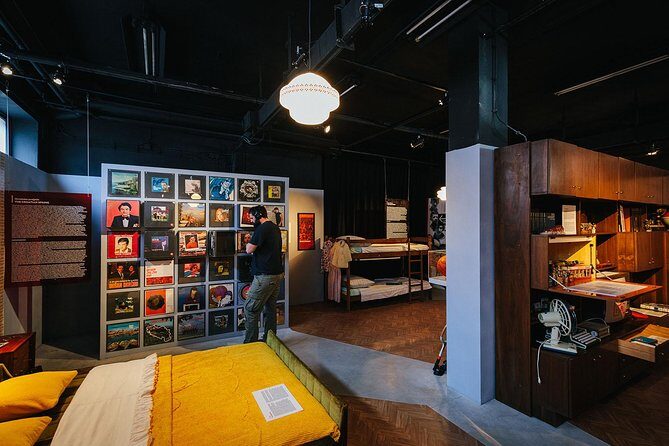
The Red History Museum is based in central Dubrovnik, at Ul. Svetog Križa 3, 20000. It’s not a giant, hours-long “museum marathon.” Instead, it’s a focused stop that’s built to answer a simple question: what did the Yugoslav communist system actually feel like day to day?
The best part is how the museum treats ordinary life as political evidence. You’re not only reading about ideology. You’re walking through rooms and displays that show how art, design, and everyday items existed inside a watchful state. That helps the history land in your brain the same way it did for the people who lived it—through routines, rules, and the constant background pressure of the system.
It’s also a smart choice if you’re already touring Dubrovnik’s old walls and want a different kind of historical perspective. This is Croatian history from the communist period, and it sits right in the middle of a city that’s known for far older layers of time.
You can also read our reviews of more walking tours in Dubrovnik



Price and timing: what $211 is buying you
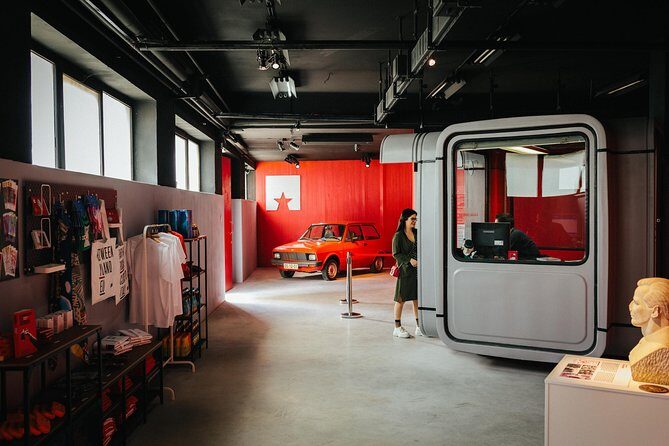
The listed price is $211, and you get an admission ticket included experience. The bigger “value” here isn’t just entry—it’s the convenience of prebooking.
Why that matters in Dubrovnik: history experiences can have ticket lines or limited entry windows. With prepaid admission, you secure your visit on your ideal day and can sail past ticket-counter lines. You’re also not stuck doing a last-minute decision with short daylight hours. Instead, you can build your day around the museum.
Time-wise, plan for about 50 minutes to 1 hour 35 minutes. That range is useful: if you skim a bit and move fast, it can be a quick, punchy stop. If you stop to read and absorb the room sets carefully, it can stretch closer to the longer end.
Also, the museum experience is capped at 200 travelers, which usually helps keep the room experience from feeling like a cattle-movement exercise.
Entering the Yugoslav world: how the exhibits are built
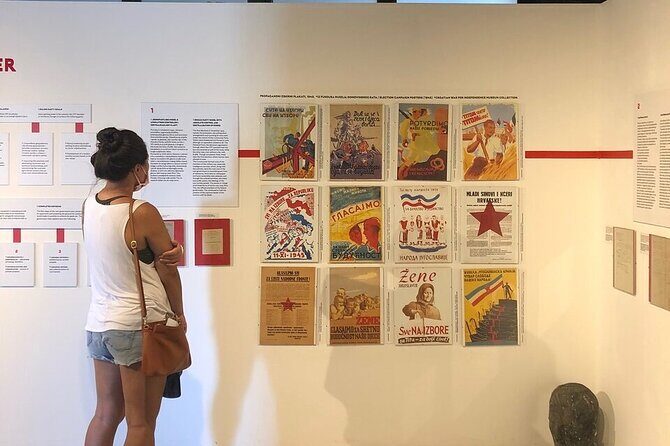
The museum experience takes place in about 300 square meters, using new and old technologies. The format is interactive, with “room sets” and displays designed to feel like you’ve stepped into daily life under Yugoslav rule.
Think of it as a guided sequence you can pace yourself through. You’ll move through scenes tied to multiple angles of the era, including art and design, politics, and the mechanisms of control that shaped daily decisions. The museum also includes audio elements—visitors are meant to listen to the era’s “greatest hits of the time,” so you get a soundtrack feel rather than only visuals.
This approach is practical for your brain. When history is presented only as facts, it can stay abstract. When it’s presented as a lived environment—objects, layouts, themes—it becomes easier to understand how ordinary people made choices inside the system.
Room sets and everyday objects: the parts that stick
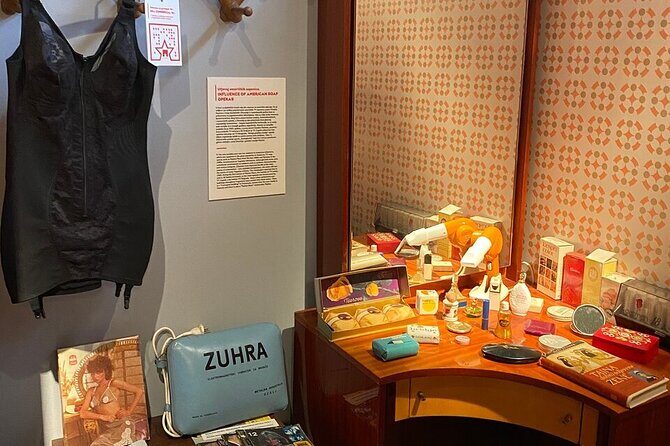
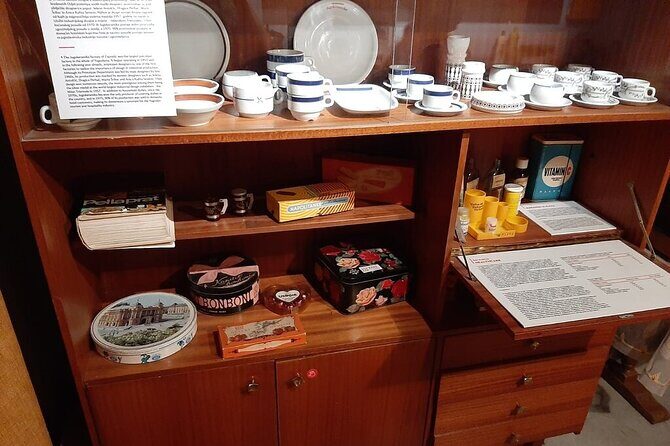
For me, the most convincing history is the kind you can touch with your eyes: household details, design choices, and the small artifacts that show what mattered. That’s exactly where this museum wins.
You’ll see room sets and displays of everyday items, presented in a way that helps you understand the era beyond headlines. The goal is not to “romanticize” the past. It’s to show you how a totalitarian system shaped ordinary life—from what was shown, to what was hidden, and how people may have lived with invisible boundaries.
The interactive format also nudges you to pay attention. You’re not just walking past glass cases. You’re meant to engage with the museum’s storytelling style—so the experience feels like a guided walk through a constructed snapshot of the Yugoslav world.
And yes, it’s small and quirky in a good way. If you’re the type who gets bored in giant museums, this can be a relief: you can see a lot without losing the thread.
Secret police, totalitarian control, and the Non-Aligned story
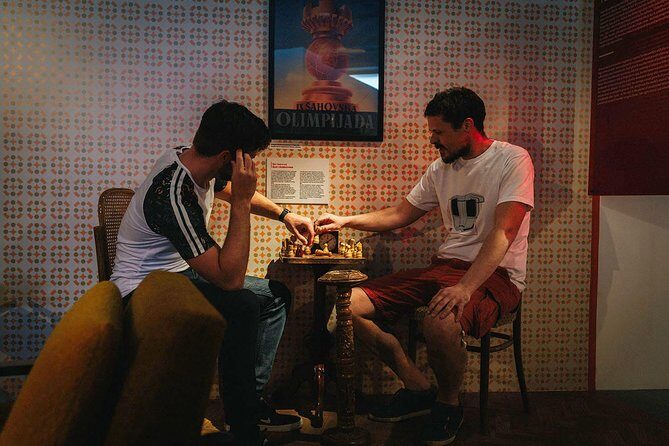
The museum doesn’t treat the communist system like a distant political label. It directly addresses institutions tied to surveillance and control—especially the secret police and the wider machinery of totalitarian society.
This is the key to making the whole experience more than just “costume history.” You start to connect why daily life looked the way it did. When you understand that people lived under the watchful eye of the Communist party, you start reading the room scenes differently. Objects and design feel less like decor and more like signals—about ideology, conformity, and what was safe to say.
At the same time, the museum covers Yugoslavia’s position in global politics, including the Non-Aligned movement. That’s important because it prevents the story from becoming one-note. You get a sense that Yugoslavia wasn’t simply copying one external model. It had its own stance, debates, and messaging—while still operating under internal party authority.
If you like history that connects culture (art, design) with politics (party control and international positioning), this is a strong fit.





How long it takes, and how to fit it into a Dubrovnik day
Even though it’s not a huge museum, you should still plan for a real visit, not a “quick photo stop.” Duration runs from 50 minutes to 1 hour 35 minutes, and the interactive elements reward time spent inside.
A practical trick: give yourself a buffer. If Dubrovnik is busy and you have limited time between sights, you can treat the museum like a flexible slot. Use the shorter end if you’re feeling rushed. Use the longer end if you want to slow down and absorb the room sets and the political themes.
Also, the experience ends where it begins—at the meeting point at Ul. Svetog Križa 3—so it’s easy to plan your next walk afterward. You don’t need to coordinate transportation or think about where to catch a bus right after.
The museum being near public transportation is handy too. If you’re touring Dubrovnik by foot and you later want to hop elsewhere, you’re not stuck far from transit.
Who should book this museum (and who might not love it)
Book this if:
- You want a compact, interactive history stop instead of a long museum day
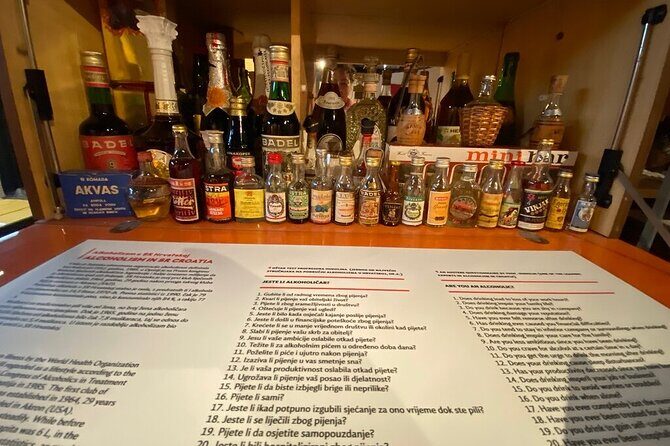
- You like seeing how political systems show up in everyday objects and room scenes
- You’re curious about Yugoslavia’s communist period, including secret police and Non-Aligned context
- You want an experience that’s designed for understanding, not just facts on a wall
You might hesitate if:
- You’re specifically hunting for a very detailed, end-to-end timeline ending with the full collapse story. Some visitors felt the last years of the system weren’t as heavily displayed as the earlier parts.
- You don’t enjoy interactive exhibits or thematic storytelling. This museum is built to be engaged with, not merely scanned.
In other words: if you like history that you can “feel” through scenes, you’ll probably enjoy it. If you want only textbook-level chronology, it may not satisfy every detail craving.
Practical tips for getting the most from your visit
Here are a few ways to make the museum experience work for you:
- Go in with a question. Something like: How does surveillance affect normal routines? That helps you notice details in the room sets instead of just walking through.
- Take breaks in the transitions. The museum uses multiple themes—politics, art, design, secret agencies. Pause briefly between them so the story threads connect.
- Plan for read-and-look time. With a visit range up to 1 hour 35 minutes, you’ll get more out of it if you don’t treat it like a sprint.
- Bring your curiosity, not just your checklist. This is a museum about how society was shaped, not only what laws existed.
One more practical note: it’s set up to allow service animals, and it’s described as suitable for most travelers. If you’re traveling with mobility or sensory needs, it’s still smart to give yourself extra time and ask the venue staff what helps you navigate comfortably.
Should you book the Red History Museum?
I think this is a strong booking choice if you want a short, interactive, and thought-provoking history stop in Dubrovnik. The prebooked admission is genuinely useful, because it removes the hassle of ticket lines and lets you plan confidently. And the museum’s design—room sets, everyday objects, plus topics like secret police and Non-Aligned politics—makes the communist Yugoslavia era feel understandable, not distant.
If your goal is mainly a detailed late-stage breakdown narrative, keep your expectations balanced. Still, for most people looking for an accessible way to grasp what life under communist Yugoslavia could look like, this museum earns its high ratings.
FAQ
How long does the Red History Museum visit take?
The experience runs for about 50 minutes to 1 hour 35 minutes.
Is admission included in the price?
Yes. The admission ticket is included with the experience.
Do I need to buy a ticket on site?
No. You can prebook and your admission is prepaid for your chosen day, helping you avoid ticket-counter lines.
Where is the meeting point?
The meeting point is at Red History Museum, Ul. Svetog Križa 3, 20000, Dubrovnik. The activity ends back at this meeting point.
Is a mobile ticket used?
Yes. The experience uses a mobile ticket.
What’s the cancellation policy?
You can cancel for free up to 24 hours in advance for a full refund. Changes made less than 24 hours before the start time aren’t accepted.