REVIEW · DUBROVNIK
Pelješac Full-Day Wine and Food Tour from Dubrovnik
Book on GetYourGuide →Operated by Dubrovnik FOOD Story · Bookable on GetYourGuide
Pelješac tastes like a snack road trip. This full-day outing pairs Ston’s salt works and medieval sights with a drive into Croatia’s top red-wine country, the Pelješac peninsula. I like that you get both culture and flavors in one tight route, instead of sitting through a generic tasting room afternoon.
The best part is the food-meets-the-land vibe: you start with fresh oysters and learn how they’re raised, then meet wine people in the vineyards and cellars. On our day, the guiding energy is led by Oliver, with a small-group feel that makes it easy to ask questions and actually talk shop.
One heads-up: this is a meat-and-seafood kind of day, and it is not suitable for vegans or vegetarians. You’ll also want solid, comfortable shoes since the tasting stops include uneven ground and steep vineyard slopes.
In This Review
- Key highlights I’d build your day around
- Why Pelješac from Dubrovnik feels more local than it sounds
- The van ride that actually gets you places (and keeps you comfortable)
- Ston’s salt works and medieval wall: the day’s clever opener
- A boat session for oysters: the sea-to-glass moment
- Pelješac’s vineyard slopes: Plavac Mali and Dingac in real terrain
- Two wineries, plus a full lunch stop that feels like visiting family
- Marenda brunch at a konoba: the peasant meal you’ll remember
- The real value in the $259 price tag
- Who this tour suits best, and who should skip
- Should you book the Pelješac Full-Day Wine and Food Tour?
- FAQ
- How long is the Pelješac Full-Day Wine and Food Tour from Dubrovnik?
- Where does the tour start, and is Dubrovnik pickup included?
- How big is the group?
- What language is the tour guide?
- What food and drinks are included?
- Do you visit Ston and the salt works?
- What wine types does the region focus on?
- Is the tour suitable for vegans or vegetarians?
- Is it suitable for children or people with mobility impairments?
- What should I wear or bring?
Key highlights I’d build your day around
- Ston’s salt legacy plus the famous Ston–Mali Ston wall stretch
- Oysters from a family oyster and mussel farm, tasted right after they’re taken
- Pelješac reds made from Plavac Mali and Dingac grapes
- Two formal wine tastings plus additional snacking and tastings along the way
- Organic olive oil, fruit, and homemade liquors at the wineries
- Marenda brunch in a traditional konoba, sometimes cooked in front of you
Why Pelješac from Dubrovnik feels more local than it sounds
Dubrovnik is dramatic. Pelješac is different. It’s a peninsula where the sea presses close to vineyards, and where the flavors make sense because you see the places that produce them. You’re only about an hour from Dubrovnik by road, so you get a full “go deep for the day” experience without turning it into an all-day bus marathon.
At $259 per person for an 8-hour small-group tour, the price makes sense only if you use what’s included. Here, it’s not just wine samples in a room. You’re getting guided stops tied to food production: salt works, oysters, winery tastings, and a traditional peasant meal. If you tried to recreate this on your own, you’d spend money and time coordinating transport, paying for separate experiences, and lining up meals without the built-in pacing.
This tour also leans into the kind of day that travel memories love: you’re not only tasting, you’re hearing production stories, walking vineyard ground, and learning why certain wines taste the way they do.
You can also read our reviews of more food & drink experiences in Dubrovnik
The van ride that actually gets you places (and keeps you comfortable)
The tour runs with pickup in Dubrovnik, and the driver shows up with a sign. The driver won’t wait more than 10 minutes from the scheduled pickup time, so try to be ready near the pickup point.
Transportation is in an air-conditioned vehicle, and the group is limited to 8 people. That matters because Pelješac is a food route, not a museum queue. Smaller groups mean you’re more likely to get real conversation with Oliver and the winery hosts, plus you can ask follow-up questions without the guide turning into a traffic controller.
What to wear is simple: comfortable shoes and clothes. High heels are not allowed, and you’ll appreciate footwear that handles uneven stone and vineyard terrain.
Ston’s salt works and medieval wall: the day’s clever opener
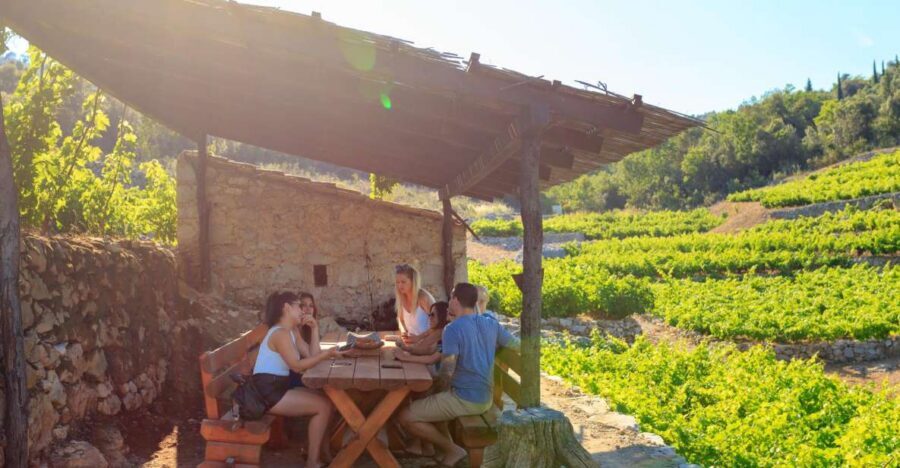
Most food-and-wine days start with wine. This one starts with salt, and that’s a smart choice. Salt is the reason coastal Croatia became powerful. It preserved food, helped trade, and built industry in places like Ston long before wine tourism existed.
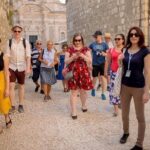
You’ll visit Ston and Mali Ston, including sightseeing time in Ston and a stop at the salt works. Ston–Mali Ston is known for the largest wall in Europe, stretching 5.5 kilometers between the two towns. Even if you don’t walk the whole thing, seeing the scale changes how you picture the Dubrovnik Republic era. It’s a quick dose of context that makes later wine and seafood stops feel less random.
You’ll also get time in the area for a regional food tasting stop. This is one of those “get your appetite moving” parts of the day. It also helps you transition from medieval sights to the production world of oysters and vineyards.
Practical tip: if you care about photos, Ston is a good place to take a first round. The lighting and stone textures tend to photograph well, and you’ll be fresher here than later when the day gets food-heavy.
A boat session for oysters: the sea-to-glass moment
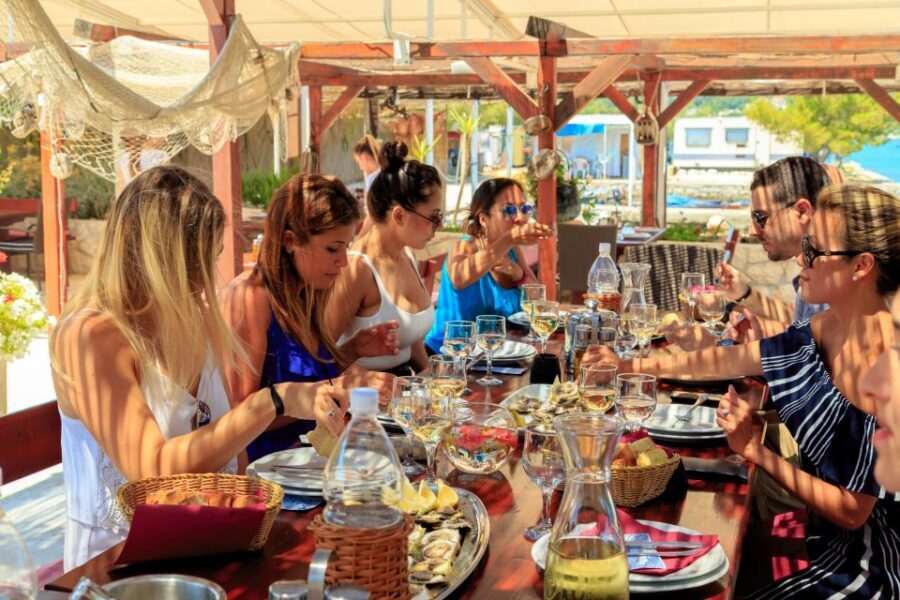
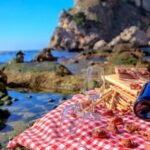
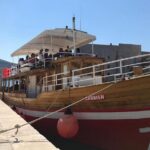
Then comes the part that turns this tour into a story you’ll tell later: oysters from a family-owned oyster and mussel farm. You taste fresh oysters paired with local wine, and the setting is part of the experience. Several guides emphasize the farm-to-plate angle, including time out on the water where the oysters are served shortly after harvesting.
If you’ve ever had oysters that felt bland or disappointing, this is the reason people change their minds. These oysters are described as coming straight from the sea, and they’re paired in a way that helps you taste clean briny flavor instead of just thinking about the novelty.
One more detail that makes this feel like more than a tasting: Oliver and the oyster farmers explain how cultivation works. In the stories shared during the day, the emphasis is on family generations and hands-on growing methods. It’s the kind of explanation that makes the flavor feel earned.
Seasonal reality check: the day runs in open-air conditions, and the sea air can be cool even when Dubrovnik feels warm. Bring a layer if you’re doing this in shoulder season, and plan to stay flexible.
Pelješac’s vineyard slopes: Plavac Mali and Dingac in real terrain
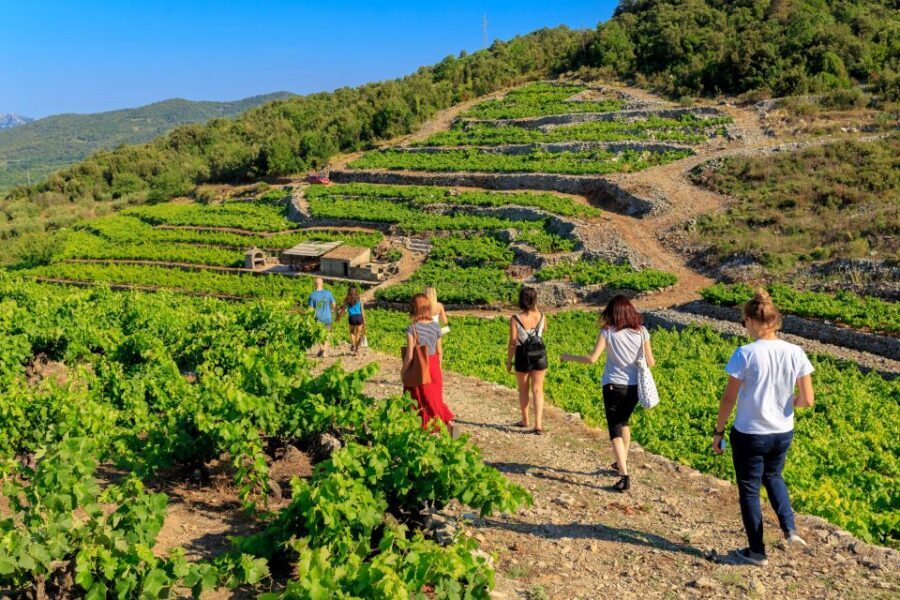
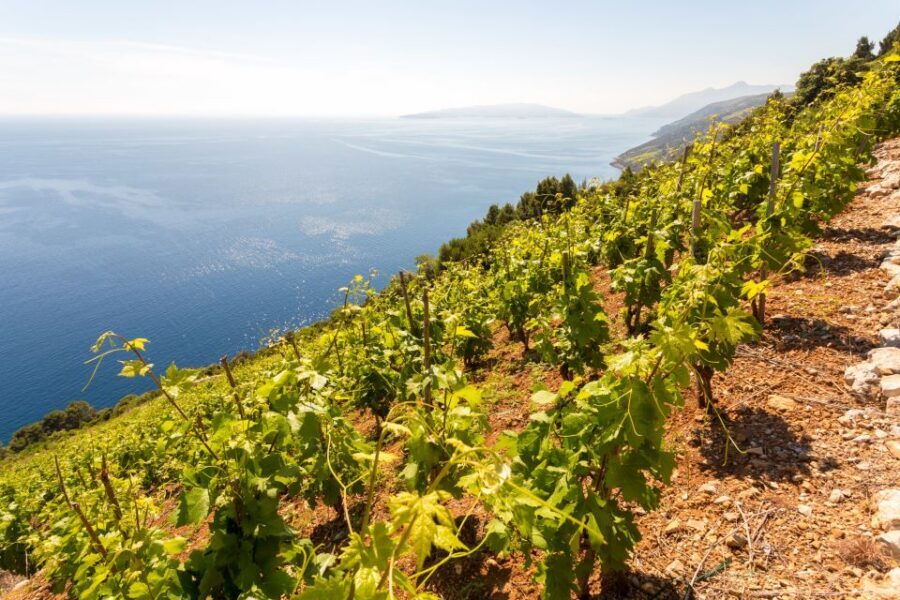
Pelješac is where the tour earns its name: wine from the steep slopes. This is a red-wine region best known for Plavac Mali and Dingac grapes, grown on hillsides facing the sea. You don’t just hear the grape names. You see why the ground is the way it is.
You’ll make stops along winding roads and reach vineyard viewpoints where you can take photos and get a feel for the coastline. That’s not filler. When you stand in a place shaped by wind exposure and slope farming, the wines make more sense later in the glass.
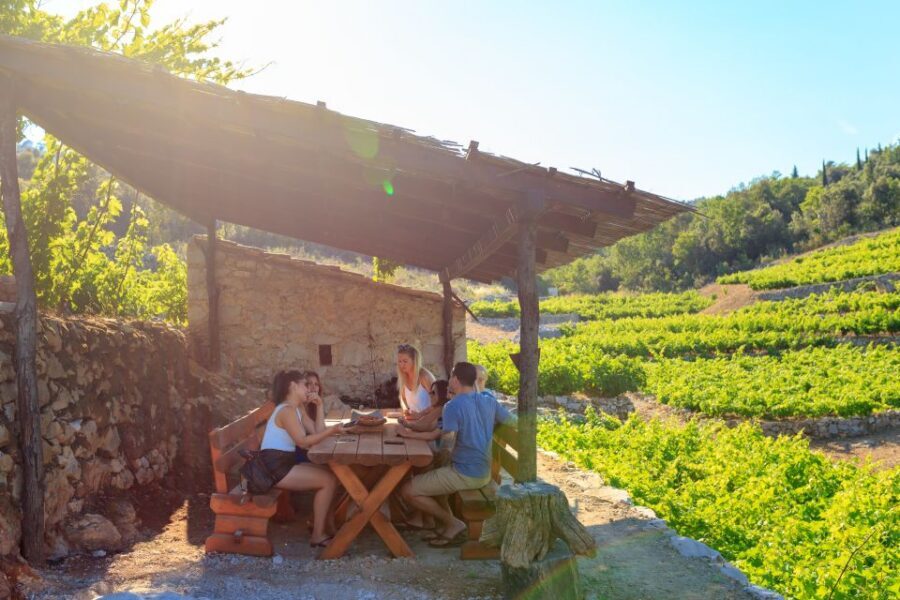
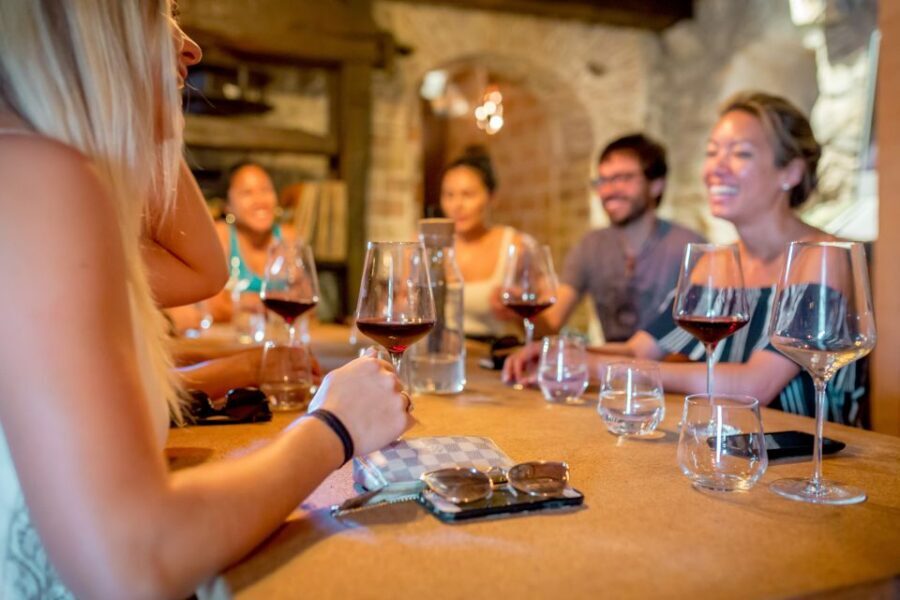
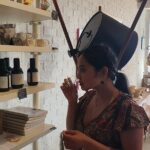
At the wineries, you spend time with local producers who guide you through cellars and vineyards and explain what they consider quality. Expect discussion of production secrets, tasting logic, and the personality of Pelješac reds. One of the tour beats is wine tasting between grape vines, so you’re not stuck inside the same four walls for every pour.
What you taste isn’t only wine. You’ll also get organic olive oil tasting, fruit, and homemade liquors tasting, plus traditional snacks at winery stops. That variety matters because wine can be overwhelming if it’s all you’re doing. This tour keeps shifting your palate in a way that makes each tasting more enjoyable.
You can also read our reviews of more tours and experiences in Dubrovnik

Two wineries, plus a full lunch stop that feels like visiting family
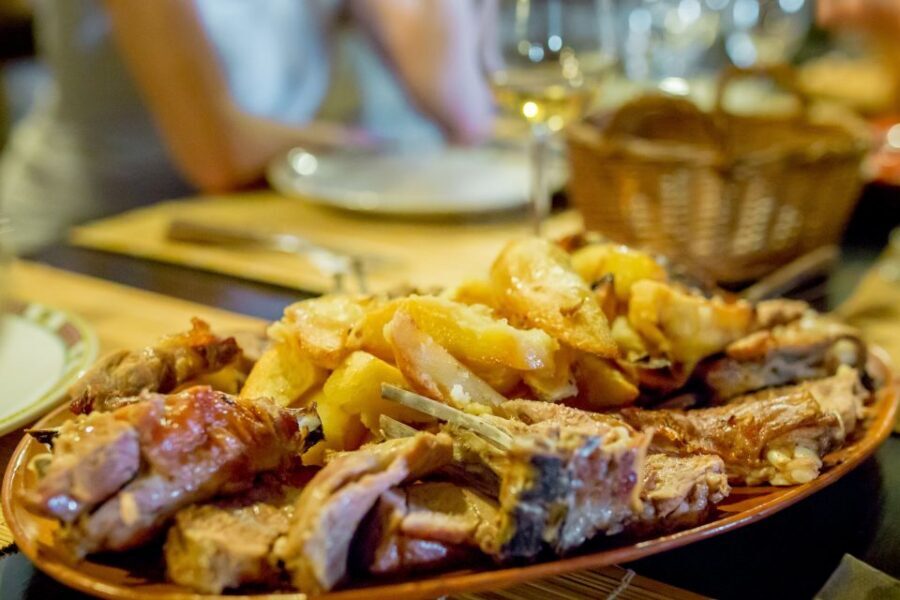
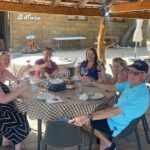
Wine tastings are on the schedule, but the reason people love this tour is how the day is paced around food. You visit wineries and spend time tasting, touring, and learning. The itinerary highlights two main wine-tasting segments, with additional snacking and tastings throughout the day.
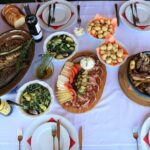
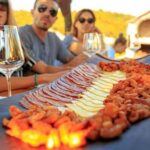
The lunch stop is where the day often becomes the highlight. At the second winery and/or lunch moment, you’ll have a traditional peasant brunch called marenda in a konoba setting later, and the earlier winery meal can be deeply rustic. In multiple accounts, the meal includes local dishes such as wild boar stew, and the cooking style is described as rustic and sometimes cooked in a traditional method served right in front of people.
That matters for value. A lot of wine tours offer snacks that feel like paperwork. Here, you get enough food that you leave full, satisfied, and not just tipsy. The pairing is also part of the structure: you’re tasting wine in the same day you eat regional food, not on a separate schedule that kills the connection.
If you’re the kind of person who likes to buy a bottle after tasting, this tour is set up for that. The winery hosts explain what they do and why, so when you pick a bottle, you’re doing it with reasons—not just because the label looked nice.
Marenda brunch at a konoba: the peasant meal you’ll remember
The day ends with a traditional brunch (marenda) at a Dalmatian pub called konoba. This is the cultural payoff. You get the feeling of a local meal structure: hearty, simple ingredients, and a relaxed tempo that matches the region.
Depending on season and weather, the food may be prepared in front of you in an open fireplace. Some days include a short cooking moment, so you’re not only eating. You’re watching the process.
This is also where the tour earns its “authentic” feel in a practical way. You’re not eating a hotel-style plated lunch. You’re eating a peasant-brunch format that fits the peninsula’s food identity. And because you’ve already tasted oysters and wines earlier, your meal doesn’t feel like a random add-on. It feels like the finish line for the day’s story.
The real value in the $259 price tag
Let’s talk money in plain terms. You’re paying for more than wine.
Included with the tour:
- Comfortable air-conditioned transportation
- Licensed guide in English
- Wine tastings at wineries
- Organic olive oil tasting
- Fruit and homemade liquors tasting
- Typical snacks at each winery
- Sightseeing of Ston
- Visit to the salt works
- Fresh oyster tasting session
- Traditional brunch in a konoba
So you’re getting transport plus multiple production-focused tastings plus a guided cultural stop. The tour is also small, capped at 8 participants, which can reduce the “getting shuffled” feeling that happens on bigger day trips.
The one “cost” to consider is your own spending for personal purchases. Wine bottles, olive oil, and other items are not included unless you choose to buy them on-site. If you’re a light spender, you can treat the included tastings as the main event. If you’re a collector, you’ll want to budget for at least a few bottles you love.
Who this tour suits best, and who should skip
This day fits best if you:
- Love wine but also want production stories and vineyard context
- Want oysters that are fresh and explained, not just served
- Enjoy rustic local meals and don’t need a vegetarian-friendly menu
- Like small-group days where the guide and hosts can actually talk to you
It’s not suitable for:
- Vegans and vegetarians
- Children under 18
- Pregnant women
- People with mobility impairments or wheelchair users
If you’re traveling with anyone who needs strict dietary accommodations, plan carefully before you book. Also plan for walking: vineyard slopes and outdoor stops mean you should prioritize foot comfort over style.
Should you book the Pelješac Full-Day Wine and Food Tour?
Book it if you want a Pelješac day that feels like a working food route, not a scripted factory tour. The pairing of Ston salt works + boat oysters + family wineries + marenda is a rare mix that stays coherent from start to finish.
Skip it if you’re looking for a quiet, low-food experience. This tour is food-forward. You’ll be eating and tasting throughout the day, and the menu is built for traditional Dalmatian eating.
If you do book, my practical advice is simple: wear comfortable shoes, come hungry, and ask questions. Oliver and the winery hosts tend to share more when you show interest in how Pelješac wine and seafood production actually works.
FAQ
How long is the Pelješac Full-Day Wine and Food Tour from Dubrovnik?
The tour lasts 8 hours.
Where does the tour start, and is Dubrovnik pickup included?
Pickup is included from Dubrovnik. The driver brings a sign and waits no longer than 10 minutes after the scheduled pickup time.
How big is the group?
It’s a small group limited to 8 participants.
What language is the tour guide?
The tour is guided in English.
What food and drinks are included?
You get wine tastings at wineries, organic olive oil tasting, fruit, homemade liquors tasting, typical snack at each winery, fresh oyster tasting, and a traditional marenda brunch in a konoba.
Do you visit Ston and the salt works?
Yes. You visit the medieval town of Ston and you also stop at the salt works.
What wine types does the region focus on?
Pelješac is known for wines made from Plavac Mali and Dingac grapes.
Is the tour suitable for vegans or vegetarians?
No. The tour is not suitable for vegans or vegetarians.
Is it suitable for children or people with mobility impairments?
It’s not suitable for children under 18 and it’s also not suitable for people with mobility impairments or wheelchair users.
What should I wear or bring?
Bring comfortable shoes and comfortable clothes. High-heeled shoes are not allowed.