REVIEW · DUBROVNIK
From Dubrovnik: Sarajevo and Mostar Private Full-Day Tour
Book on GetYourGuide →Operated by Dubrovnik Tours - Horizon · Bookable on GetYourGuide
One day, three stories, and real war memory. This private route links UNESCO Mostar with Sarajevo’s Tunnel of Hope, plus the quieter, dramatic stops in between. I like how the day mixes street-level beauty (cobbled lanes, Ottoman-Era details, mosque minarets) with the sobering context of the siege of Sarajevo and the Bosnian War. One thing to consider: it’s a long 15-hour day, and meals aren’t included.
I also like the built-in comfort: hotel pickup in Dubrovnik (Mali Zaton, Mlini, Pile, or Slano) means you skip the logistics headache. Because it’s a private group with an English-speaking driver-guide, you can spend time at the parts that interest you instead of being herded on a tight conveyor belt. If you’re sensitive to early starts, know that the morning pickup can be very early.
In This Review
- Key highlights at a glance
- The 15-hour game plan: why this route works (and what to watch)
- Počitelj: a tiny 15th-century town with a strategic history
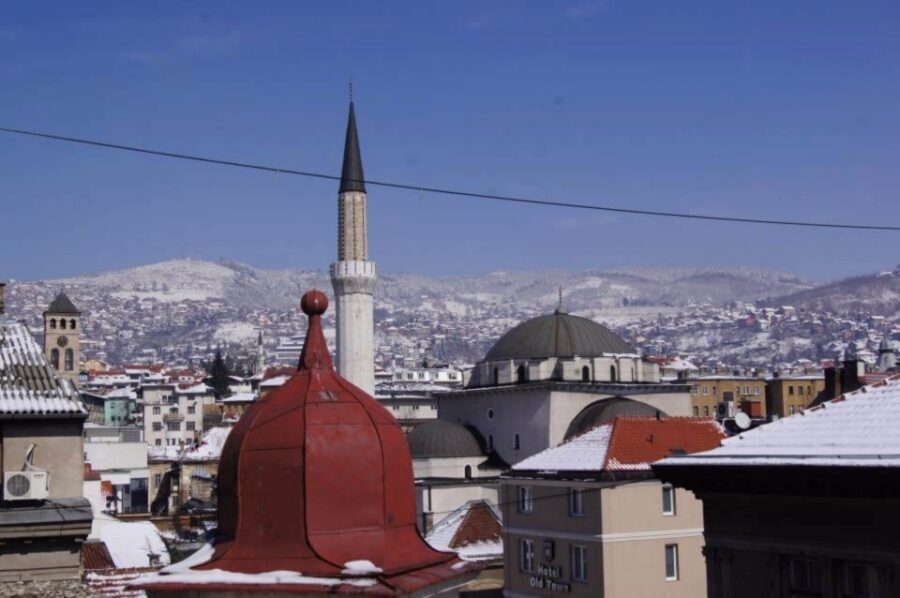
- Mostar’s cobbled lanes, Ottoman-Era details, and the sound of both faiths
- The mosque minaret climb: worth it if you’re okay with heights
- The food moment in Mostar: baklava and Turkish coffee
- Jablanicka and cevapi: the comfort food that anchors the day
- Sarajevo’s war story, the Tunnel of Hope, and panoramic viewpoints
- Tunnel of Hope: walking the story
- Trebević Vidikovac: bunkers and a city view
- Sarajevo landmarks with wider context
- Sarajevo free time: shopping, walking, and choosing your own lunch
- Mostar on a tighter clock: why 1 hour can still work
- Price and value: what $865 buys you (and where it might not)
- Who this tour suits best
- Should you book this private Sarajevo and Mostar day trip from Dubrovnik?
- FAQ
- FAQ
- Where does pickup happen in Dubrovnik?
- How long is the tour?
- Is this a private tour?
- What languages are offered?
- What major stops are included?
- Is the Tunnel of Hope entrance fee included?
- Are meals included?
- What should I bring?
- Are infant seats available?
- What’s the cancellation window?
- What about booking flexibility?
Key highlights at a glance
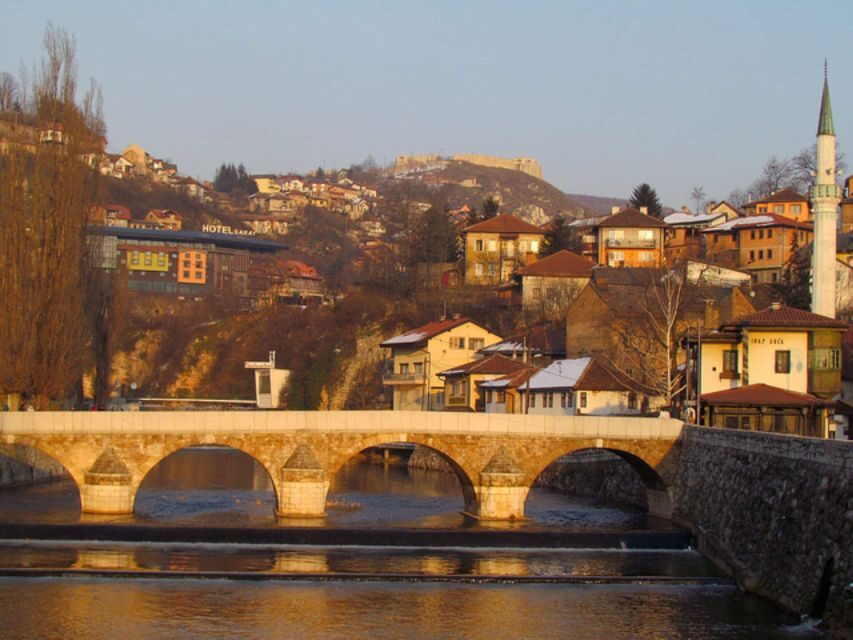
- Počitelj’s 15th-century hill town and its cultural center plus a strategic outpost that changed hands three times
- Mostar’s UNESCO old town with a mix of European and Ottoman culture you can feel right on the street
- Adhan and church bells overlap as you walk Mostar’s cobbled lanes (watch your timing for the calls)
- Climb a mosque minaret if you want the view, plus bazaar shopping and Turkish coffee
- Tunnel of Hope and Sarajevo war sights including Trebević bunkers and city panoramas
- Food stops you can’t fake: jablanicka (slow spit-roasted lamb), cevapi, baklava, and coffee
The 15-hour game plan: why this route works (and what to watch)
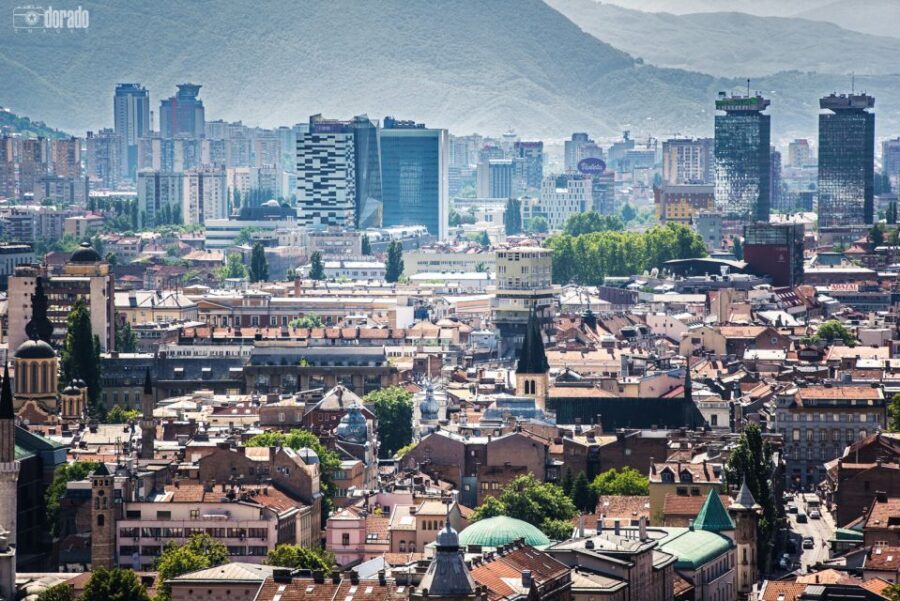
This is the kind of day trip that only works because you leave early and stay in motion. The route is built around long stretches in the van, breaking up the drive with short but meaningful stops so you don’t feel like you’re just being transported from one place to another.
You’ll spend most of your time on the ground in Sarajevo and Mostar, with Počitelj acting like the warm-up: a tiny place with big historical weight. The payoff is that you get to see both the Ottoman-influenced city life of Mostar and the Sarajevo sites tied to siege history in a single day.
Two practical notes help you enjoy it more:
- Plan your pacing: shoe comfort matters because you’ll walk in old-town areas and viewpoints.
- Expect timing pressure: Sarajevo and Mostar both have moments you’ll want to linger for, but the day is designed as a full loop with set stops.
You can also read our reviews of more private tours in Dubrovnik
Počitelj: a tiny 15th-century town with a strategic history
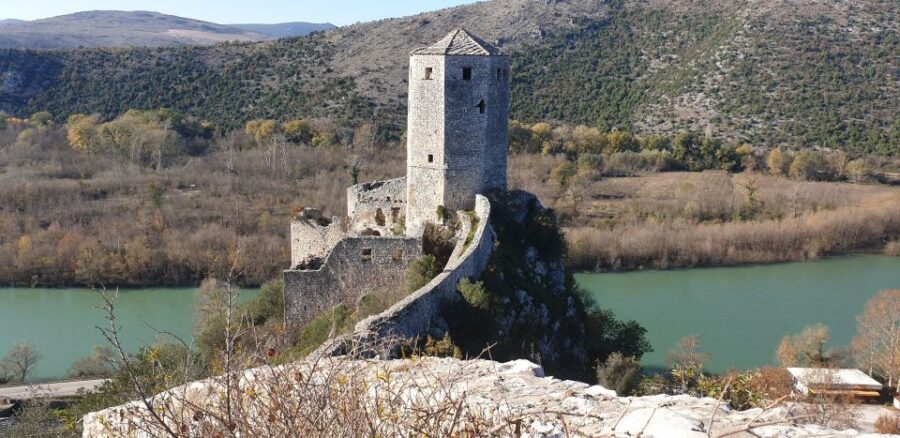
Počitelj is the stop that feels like a secret even though it isn’t. Built in the 15th century, it’s small enough to walk without stress, but the story is huge: the cultural center and the strategic military outpost around it changed hands three times between competing empires.
Why I like this stop is simple: it’s where you get the “why” behind the region’s mix of influences. You’re not just passing scenery—you’re learning how geography and control shaped daily life here. Even the short photo and walk time is useful, because Počitelj rewards you with viewpoints and stonework that look good from multiple angles.
If you like history but don’t want a lecture, this is a good pace-break. You’ll get guided context, then time to wander and look.
Mostar’s cobbled lanes, Ottoman-Era details, and the sound of both faiths
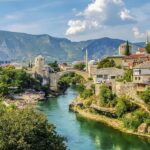
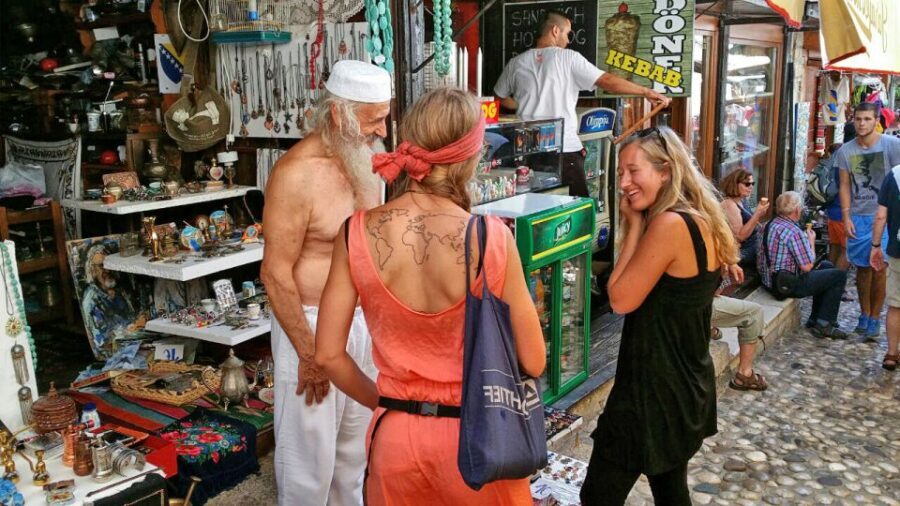
Mostar is the headline, and it lives up to it. You’ll walk the medieval cobbled streets and see a blend of European and Ottoman culture that feels very real—not staged. One of the most memorable details is the sensory overlap: you can often hear the adhan (Islamic call to prayer) and church bells at the same time.
On top of that, you’ll have guided time for the sights, then room for your own rhythm. The old bazaar is the perfect place to do souvenirs without turning it into an all-day shopping mission. You can browse, step back, and buy something small that reflects the day.
The mosque minaret climb: worth it if you’re okay with heights
Mostar also offers a choice: climb the minaret of a beautiful mosque for the view. I can’t promise you’ll feel fearless at the steps—some people don’t—but the experience is framed as help is available and the payoff is the panorama. If heights aren’t your thing, you can still enjoy Mostar’s streets and food without doing the climb.
The food moment in Mostar: baklava and Turkish coffee
Even before you move on to Sarajevo, you’ll have a sweet-and-coffee break. Traditional baklava and Turkish coffee fit the day well because they’re quick, local, and energizing without needing a long sit-down meal. It’s a small pause that makes the rest of the drive feel more human.
You can also read our reviews of more tours and experiences in Dubrovnik
Jablanicka and cevapi: the comfort food that anchors the day
This tour doesn’t treat food like an afterthought. It builds it into the story of the places you’re seeing.
In the Počitelj/route portion, you’ll get an off-the-beaten-path chance to try jablanicka, which is slow cooked on a spit over a fire. That matters because you’re not just eating something “local”—you’re experiencing a cooking method that’s tied to place and tradition. The smell and the slow preparation are part of the experience.
In Sarajevo free time, you’ll have a strong suggestion to try cevapi, a minced meat dish that’s a classic in the region. Pair it with a cup of Turkish coffee and you’ve got a simple, high-impact combo: filling enough to keep you going, but not so heavy that you feel dragged by the van schedule.
Practical tip: since meals aren’t included, think of the food moments as optional upgrades that you’ll likely want to budget for. If you eat lightly in the morning, you’ll appreciate the later stops more.
Sarajevo’s war story, the Tunnel of Hope, and panoramic viewpoints
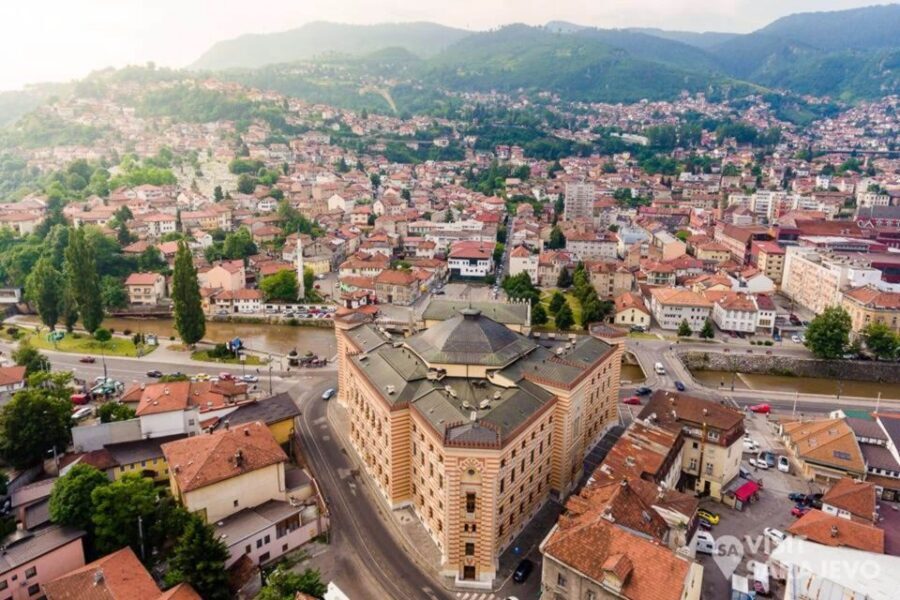
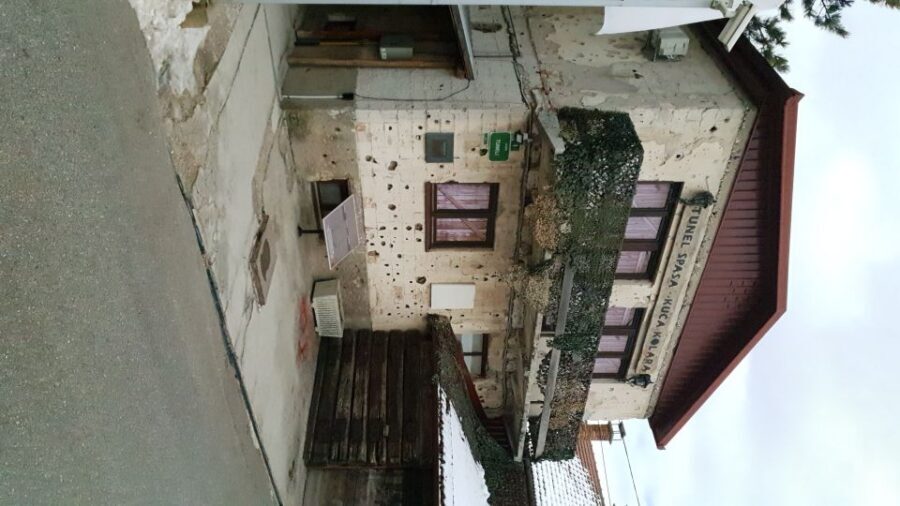
Sarajevo is where the tone shifts. The day includes learning about the siege of Sarajevo and the broader Bosnian War, and the sites are arranged so the facts connect to a feeling you can’t get from a book.
Tunnel of Hope: walking the story
The centerpiece is the Tunnel of Hope. You’ll walk through it and hear the history tied to how the city survived and how people held on with determination. This stop works because it’s physical. You’re not just hearing terms like you’d get in a museum—you’re moving through the space that shaped daily life during the conflict.
Entrance fee is included, which is one less thing for you to manage on the day.
Trebević Vidikovac: bunkers and a city view
Next comes the panorama logic: Trebević Vidikovac gives you the kind of viewpoint that makes Sarajevo’s layout click. You’ll also see old bunkers on the mountain near the viewpoint, which adds another layer to the war-era story—defense, survival, and a city shaped by what was above it as well as what surrounded it.
Even if you’re not a “view person,” this part helps you understand the geography behind the history.
Sarajevo landmarks with wider context
During the Sarajevo portion, you’ll also cover well-known landmarks connected to the city’s later identity and international attention—there’s time for the 1984 Winter Olympics sites and the bridge area tied to the Archduke’s assassination that set off the chain reaction leading to World War I.
That range matters. Sarajevo isn’t only war memory; it’s also culture, major events, and a place that continues. The tour’s structure helps you see both.
Sarajevo free time: shopping, walking, and choosing your own lunch
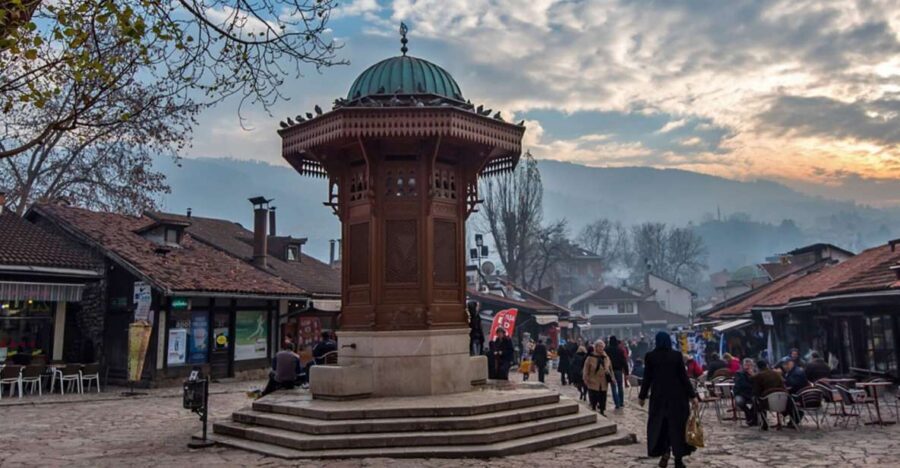
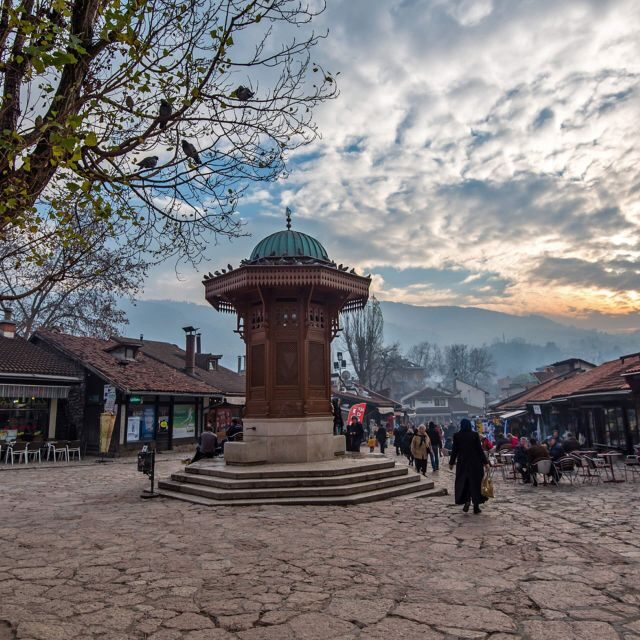
You’ll get free time in Sarajevo for shopping, walking, and a little breathing room after the more intense stops. This is where you can slow down and make the city feel less like a checklist.
If you’re hungry, prioritize something simple and local. The cevapi suggestion isn’t random—it’s an easy meal to order and a good way to taste the city without burning time searching. Turkish coffee is also a strong move here because it works as both a treat and a reset before you head back toward the coast.
Because meals are not included, you’re responsible for your own lunch and any snacks. The good news is that you’ll have enough time on the ground to handle it without stress.
Mostar on a tighter clock: why 1 hour can still work
Mostar time is shorter than Sarajevo time, so you’ll want to make it count. The design is smart: you’ll get guided context and key streets, then a quick chance to shop and look around.
For many people, the best “use your time well” strategy is this:
- Spend your guided time learning what you’re seeing.
- During your free moments, focus on what you’re most curious about—souvenir browsing in the old bazaar, the mosque view if you want it, and a final look at the street where the bells and the call overlap.
If you like photography, Mostar can reward you with a lot of angles quickly. If you hate rushing, this is the one part of the day that may feel a bit fast.
Price and value: what $865 buys you (and where it might not)
The price is $865 per group, shown as up to 1, for a full 15-hour day with a private English-speaking driver-guide, hotel pickup/drop-off, and live commentary in the van. Entrance fee for the Tunnel of Hope is included too.
Is that expensive? Yes. But it’s also not just “a car and a driver.” You’re paying for:
- a long-distance private route without you piecing it together yourself
- English guidance on-site in Sarajevo and Mostar
- included transport logistics from Dubrovnik hotels
- a plan that hits major emotional and cultural stops without you managing tickets or timing
Where value depends on you:
- If you’re going solo at the shown group size, it may feel like a big spend for one person.
- If you’re comparing against DIY travel, you’re buying convenience and reduced friction. You’re also getting a structured order that helps the history make sense.
A small quality note from a past guide experience shared: a guide named Besam was described as arriving promptly at 6 am and speaking perfect English in a conversational style, not a lecture. The same experience also highlighted help with the mosque minaret climb and a smooth drive back with thoughtful discussion. That kind of guide experience is exactly what turns a long day into something you remember for the right reasons.
Who this tour suits best
This day trip is a strong fit if you want:
- a single-day, high-impact route from Dubrovnik to Sarajevo and Mostar
- guided context about the siege of Sarajevo and the Bosnian War
- time for local food like jablanicka and cevapi, plus Turkish coffee and baklava
- a private setup with pickup from Dubrovnik landmarks and hotels
It may not fit if:
- you need lots of free time to wander without pressure
- you hate long van rides and don’t like early starts
- you prefer fully included meals throughout the day
Should you book this private Sarajevo and Mostar day trip from Dubrovnik?
I’d book it if you’re the kind of traveler who wants meaning, not just photos. The Tunnel of Hope and the war-sight geography in Sarajevo are the kind of experiences that stick, and the tour pairs that with Mostar’s UNESCO streets, bazaar time, and a very practical food plan.
I’d think twice if you’re traveling just for light sightseeing. This route has emotional weight, and it’s a long day with meals not included. But if you can handle a full day and you want both history and authentic local eating, this is one of the cleaner, more guided ways to do the jump from Dubrovnik.
FAQ
FAQ
Where does pickup happen in Dubrovnik?
Pickup is available from Mali Zaton, Mlini, Pile, or Slano.
How long is the tour?
The duration is 15 hours.
Is this a private tour?
Yes, it’s listed as a private group.
What languages are offered?
The live guide is English speaking.
What major stops are included?
You’ll visit Počitelj, Mostar (UNESCO), the Tunnel of Hope, Trebević Vidikovac, and you’ll have time in Sarajevo.
Is the Tunnel of Hope entrance fee included?
Yes, the entrance fee for the Tunnel of Hope is included.
Are meals included?
No, meals are not included.
What should I bring?
Bring your passport or ID card and wear comfortable shoes.
Are infant seats available?
Infant seats are available on request if you advise at the time of booking.
What’s the cancellation window?
Free cancellation is available up to 24 hours in advance for a full refund.
What about booking flexibility?
You can reserve now & pay later.