REVIEW · DUBROVNIK
Wine tour Peljesac
Book on Viator →Operated by Feel Dubrovnik · Bookable on Viator
A Pelješac wine day beats another castle stop. You’ll get picked up in Dubrovnik, roll along the Pelješac peninsula, and spend hours tasting native wines in small family wineries. It’s not just samples in a room; you’ll also learn what makes Plavac mali special on this coastline.
I especially like the mix of three focused winery stops (with guided tastings of up to 4 wines each) and the fact that the tour includes the easy, air-conditioned ride. One thing to consider: it’s a long day (about 7–8 hours) and there’s no included lunch, so you’ll want to plan food before you get hungry.
In This Review
- Key highlights at a glance
- Pelješac From Dubrovnik: the road trip part is not wasted
- Broce winery stop: Plavac mali and the family touch
- Potomje: where Plavac mali from Postup and Dingač matters
- Boljenovići Ponikve: third-generation wines and liqueurs
- Ston pause: salt pans and the Walls of Ston
- Price and logistics: what you’re paying for (and what you’re not)
- How this day feels: pacing, tastings, and how to enjoy it
- Who should book this Pelješac wine tour from Dubrovnik
- Should you book this Pelješac wine tour?
- FAQ
- FAQ
- How long is the Pelješac wine tour from Dubrovnik?
- Does the tour include pickup?
- How many wineries do you visit?
- How many wines can I taste?
- Is lunch included?
- What’s the group size and language?
Key highlights at a glance
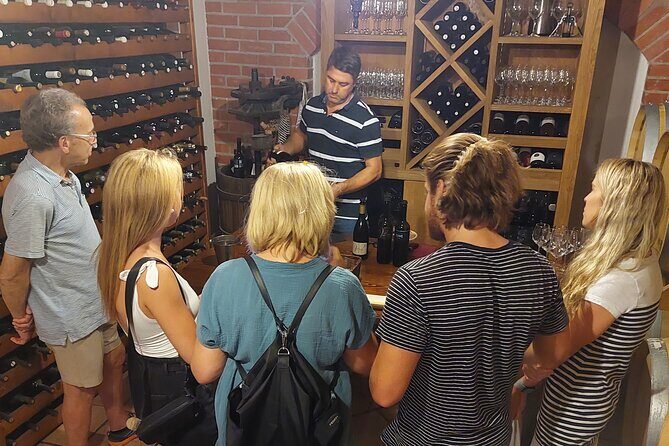
- Up to 4 guided wines per winery, so you can compare styles instead of only sipping one glass
- Small group size (max 8), which keeps the tasting personal and the questions coming
- Native grapes and local producers, with Plavac mali and Rukatac showing up across stops
- Ston salt pans and the Walls of Ston, including the Great Wall of Europe in miniature
- Air-conditioned transport plus convenient pickup from port, hotels, apartments, and villas
- Driver-style storytelling (like Ordan, who shared lots of context in one past outing)
Pelješac From Dubrovnik: the road trip part is not wasted
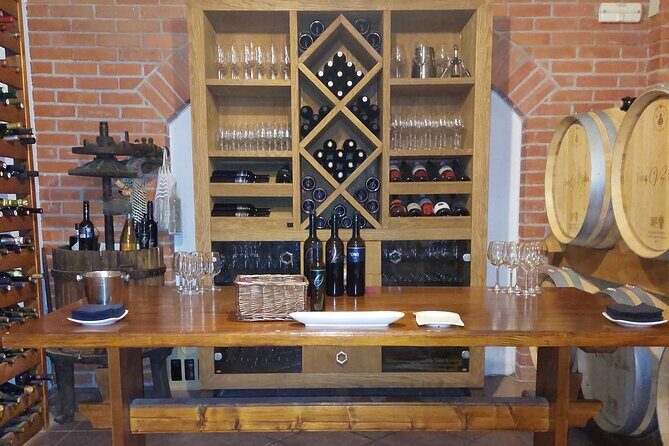
This tour starts at 10:00 am with pickup from the port, hotels, apartments, and villas around Dubrovnik. That matters more than people think. You don’t have to puzzle out a bus, rent a car, or fight for parking on a busy day—you just get in, get comfortable, and let the day unfold.
Once you’re on the peninsula, the time doesn’t feel like dead travel. The itinerary is built around short, well-timed stops, so you’re tasting and walking in between rather than doing long stretches with nothing to look forward to. The vehicle is air-conditioned, which is a big deal in warm months when the Adriatic sun is doing its thing.
Also, the group stays small—up to 8 travelers—so you won’t be lost in a crowd. You’ll have space to ask questions about the wines and the vineyards, and the guide can keep things moving without rushing you.
One practical note: it’s an English-language tour, and the whole day is about wine and scenery. If you’re expecting a history marathon or a beach lounge, you’ll need to adjust your expectations.
You can also read our reviews of more wine tours in Dubrovnik
Broce winery stop: Plavac mali and the family touch
Stop 1 is Broce, a winery just minutes from Ston. This one is a small family winery with a clear focus: producing native Plavac mali and Rukatac. That pairing is a nice way to start the day because Plavac mali is the star grape in Pelješac, while Rukatac gives you a different flavor profile to compare.
You’ll get a guided tasting here of up to 4 wines, and it’s designed to teach you what to notice, not just what to swallow. Even better, you’re not stuck in a single category of product. They also make liqueurs and brandy, plus vinegar and olive oil. That’s a fun twist because it tells you something about how local producers diversify—winemaking isn’t always a separate universe from the rest of the farm.
Time-wise, you’re in Broce for about 1 hour. That’s long enough to get explanations, taste through different wines, and ask a couple of pointed questions without feeling dragged from one pour to the next.
Potential drawback: because it’s a family operation, the pace can feel intimate rather than high-production. If you prefer big, glossy visitor experiences, you might find the tone more “hands-on” than “museum-like.”
Potomje: where Plavac mali from Postup and Dingač matters
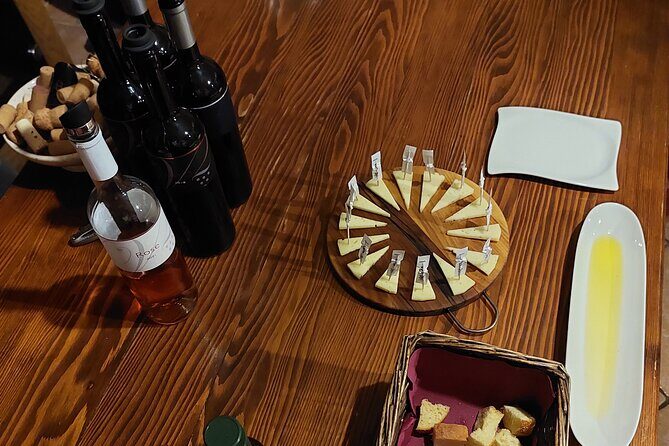
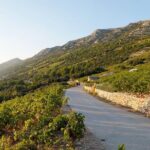
Stop 2 is Potomje, in the Pelješac area with steep-slope vineyards on the south side. This stop is valuable because it gets specific about where the grapes come from. The winery works with generations of producers and uses Plavac mali from their own plantations, including grapes from Postup and Dingač.
That detail is the kind of thing that changes your tasting. When a wine is tied to named vineyard zones (instead of anonymous “local grapes”), you start to smell and taste differences more clearly. And when production quantities are limited, you also see why certain bottles aren’t always easy to find elsewhere.
Expect about 1 hour here, plus the guided tasting experience of up to 4 wines. Since the winery emphasizes quality over quantity, the wines are presented with that mindset: you’re not being pushed through a huge list. You’ll likely focus on what makes their selection worth hunting down.
One consideration: if you’re the type who loves buying bottles on the spot, this stop can create that itch. Limited availability means you may want to decide earlier rather than later, because the best bottles can disappear once the day’s orders go out.
Boljenovići Ponikve: third-generation wines and liqueurs
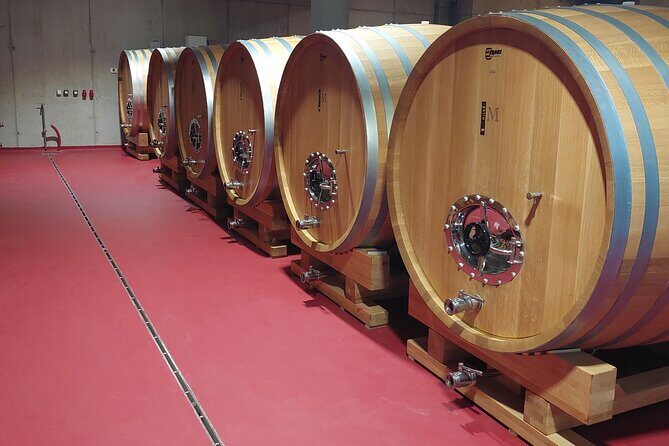
Stop 3 is Boljenovići Ponikve (Pelješac), run by third-generation wine producers. This stop leans into identity. They talk about their wines having “autochthonism,” which basically means the wine is meant to belong to this place—its fruit, aromas, and structure tied to the land and the grape.
They also highlight a fruit-flavored wine and describe it as robust with aromas typical to the variety it’s grown on. In other words, you’re tasting wines that aim to represent Pelješac, not just generic “red wine with fruit.”
This stop also includes liqueurs. So you get a second flavor lane beyond the grape-based wines. In a long tasting day, that’s actually helpful: liqueurs can reset your palate and give you something sweeter and more aromatic to compare.
Time here is shorter—about 45 minutes. That’s enough for a meaningful tasting when the group is small and the pacing is organized. But if you’re a slow sipper with lots of questions, you’ll want to ask early so you don’t lose your window.
Potential drawback: because the time is tighter than the first two wineries, you’ll get less wandering and fewer side stops. The value comes from guided tasting, not free roaming.
Ston pause: salt pans and the Walls of Ston
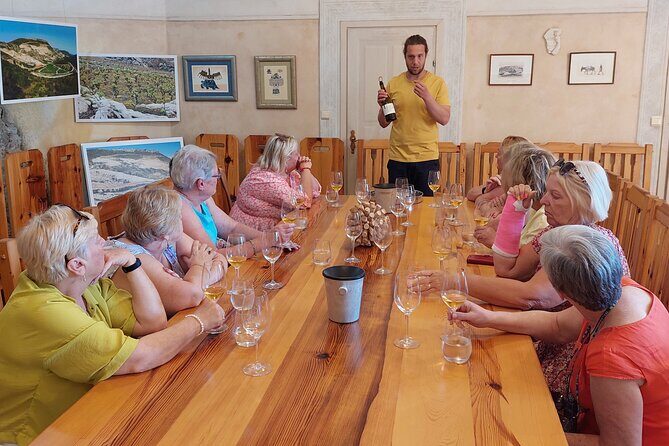
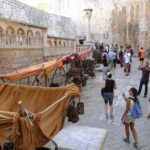
After wine, you get a breather in Ston, a medieval town famous for two things: the ancient salt pans and the monumental fortifications known as the Walls of Ston.
The salt pans are the oldest active salt pans in the world, which is a big sentence—but the payoff is simple. You’re seeing an industry that shaped the region for centuries, right next to a town that’s built to defend trade and wealth.
Then there’s the scale of the walls: the longest fortification wall in Europe, built in the 14th century. Even if you don’t hike every section, the idea of it sticks. Ston wasn’t just a village; it was a strategic point.
Time in Ston is about 30 minutes. That’s not for a full museum visit. It’s for walking, photos, and getting your bearings—then moving on before the day gets too late.
If you love views, this is the kind of stop that pairs well with wine. You’ll get the land-and-water feel again, and it helps the whole day connect instead of feeling like a list of stops.
Price and logistics: what you’re paying for (and what you’re not)
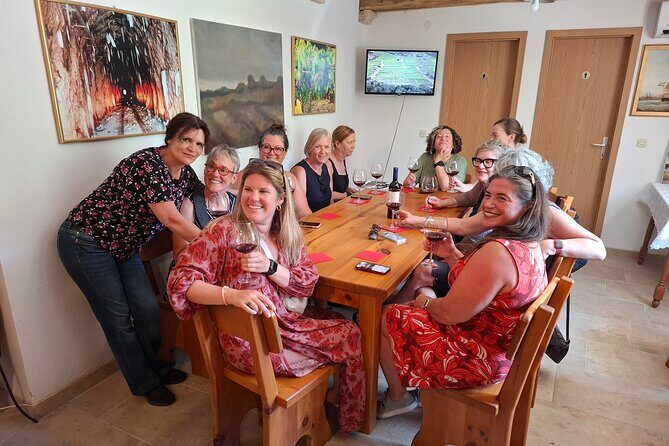
The price is $270.36 per person for a 7–8 hour day, including pickup and a guided tasting setup at multiple wineries. Here’s what that money is really buying you:
- Transportation in an air-conditioned vehicle for the day
- All fees and taxes, so you’re not hit with surprise line-item costs at the wineries
- Guided wine tasting with alcoholic beverages, up to 4 wines per winery
This is a key value point. Wine-tasting costs add up fast when you do it on your own, and the transport to Pelješac can be the real pain. You’re also getting an English-speaking guide to keep the tastings meaningful.
What’s not included is lunch. That’s the one blank spot in an otherwise well-covered day. If you skip planning, you’ll likely be hungry by the time you’re coming into Ston or heading back.
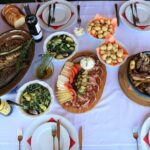
In one past outing, the driver Ordan arranged a table for lunch at a standout seafood restaurant with superb views. You may not have that exact arrangement every time, but the practical takeaway is clear: take the guide’s restaurant recommendation seriously. In Pelješac, the best payoff often comes from seafood paired with a light schedule between tastings.
How this day feels: pacing, tastings, and how to enjoy it
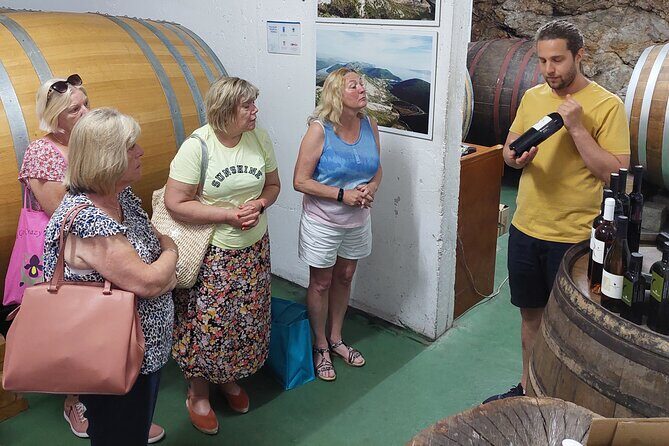
This is a structured tour. Your “free time” is limited, and most of your attention stays on the guided tastings. That’s why it works so well for people who don’t want to play itinerary Tetris.
The tasting rhythm is also important. If you stick to the order the guide gives you—rather than trying random bottle-to-bottle comparisons—you’ll start to notice patterns:
- the way Plavac mali expresses itself from vineyard areas like Postup and Dingač
- the way Rukatac and fruit-forward styles add variety
- how liqueurs change the palate later in the day
For enjoying it fully, I recommend you go in with two mindsets:
1) taste to learn, not to collect
2) take water breaks between tastings so the last winery doesn’t feel like a blur
Also, since the group is small, the guide’s explanations can feel personal. Ask about what makes each winery different, and you’ll get more from your glass than just flavor notes.
Who should book this Pelješac wine tour from Dubrovnik
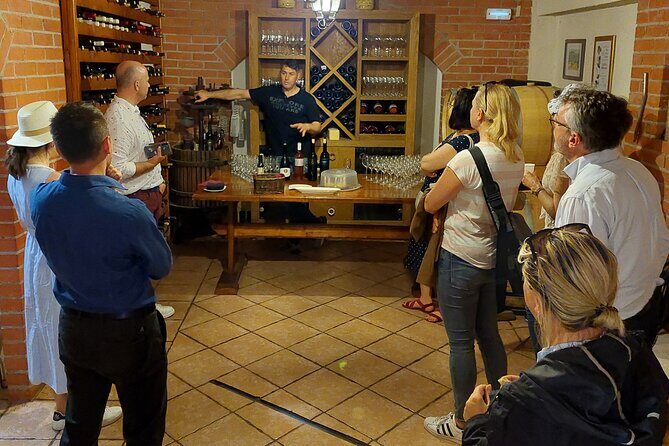
I think this tour is a great match if:
- you want native grape wine in real producer settings, not just big-brand tastings
- you like small-group days (max 8) where you can ask questions
- you’re traveling from Dubrovnik and want a Pelješac-focused itinerary without planning transport yourself
- you also care about a meaningful stop in Ston—salt pans and fortifications, not just a quick walk-through
It might be less ideal if:
- you want lots of time in each place for wandering, shopping, and long lunches
- you prefer non-alcoholic experiences (this tour is built around alcoholic tastings)
- you’re sensitive to long days with multiple stops
Should you book this Pelješac wine tour?
Yes—if your goal is a smooth, small-group wine day with real Pelješac producers and a solid extra stop in Ston.
Before you click book, do two quick checks:
- Are you good with a 7–8 hour schedule and 3 winery stops plus Ston?
- Are you willing to plan lunch, since it isn’t included?
If you say yes to both, this is strong value for the setup: pickup, air-conditioned comfort, guided tastings up to 4 wines per winery, and a day that mixes wine with a place that has genuine historical weight.
FAQ
FAQ
How long is the Pelješac wine tour from Dubrovnik?
It runs about 7 to 8 hours, starting at 10:00 am.
Does the tour include pickup?
Yes. Pickup is offered from the port, hotels, apartments, and villas.
How many wineries do you visit?
You visit three wineries: Broce, Potomje, and Boljenovići Ponikve, plus a stop in Ston.
How many wines can I taste?
The tour includes guided wine tasting of up to 4 wines at each winery.
Is lunch included?
No lunch is included. It’s recommended that you have lunch at a restaurant in the area during the day.
What’s the group size and language?
The tour is offered in English and has a maximum of 8 travelers.