REVIEW · DUBROVNIK
Walls of Dubrovnik: Small-Group 2-Hour Tour With a Local
Book on GetYourGuide →Operated by Dubrovnik Local Guides · Bookable on GetYourGuide
Dubrovnik’s walls argue with gravity. This small-group 2-hour walk turns big sea views into clear military storytelling on the way around the walls of the Old Town. City walls really feel like a living defense system.
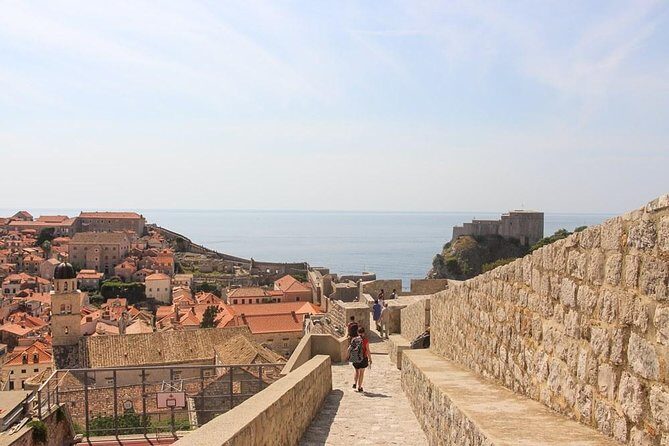
I especially like the views—Old Harbor down below, the blue Adriatic, and that classic angle toward Stradun. And I like the guiding style: locals such as Marko bring the tactics and politics to life with humor and even quick checks along the way.
The main drawback is physical: there are more than 700 stairs, no elevator, and you’ll pass sections where heights can feel real. If that’s not your thing, plan another Dubrovnik outing.
In This Review
- Key points before you go
- Why Dubrovnik’s walls feel practical, not just pretty
- Where the tour starts by Fort Revelin and a red-white flag
- First section: Old Harbor views and why the Republic cared about defense
- Fort Revelin and the northern stretch: tactics you can actually picture
- Ottoman diplomacy at a strategic tower (and why it’s not only violence)
- Minčeta Fortress and the Michelozzi connection: cannons and a perfect view
- A Stradun photo vantage and the western fort system (Pile Gate protection)
- Lovrijenac’s thickness and what it means for modern visitors
- Southern stretch: oldest and youngest sections plus Venice vs. Ottoman rivalry
- The final views at Fort St John and the Old Port
- Price and value: $36 plus the city walls ticket
- Small group energy: why guides like Marko keep it moving
- Who this Dubrovnik wall walk is best for (and who should skip it)
- Should you book the Walls of Dubrovnik tour?
- FAQ
- Where do I meet the guide?
- How long is the tour?
- How big is the group?
- What language is the tour in?
- Are the city walls entrance tickets included?
- How much is the city walls ticket if I don’t have a Dubrovnik Pass?
- If I have a Dubrovnik Pass, can I skip the line?
- Is this tour easy on the legs?
- Is it suitable for wheelchair users or people with mobility impairments?
- Is the tour okay if I’m afraid of heights?
Key points before you go
- Up to 8 people means you get time for questions and the walk never feels like a cattle drive
- Fort Revelin to Minčeta Fortress covers the key strongpoints along the wall route
- Military details you can picture: bows and arrows, stone boulders, siege tactics, and cannons
- Diplomacy stories included: the Ottoman Empire angle shows how agreements mattered as much as force
- Strategic photo moments: you get a great chance to spot Stradun from above
- Bring moderate fitness: the route tops 700 stairs and is not for mobility limits or wheelchair users
Why Dubrovnik’s walls feel practical, not just pretty
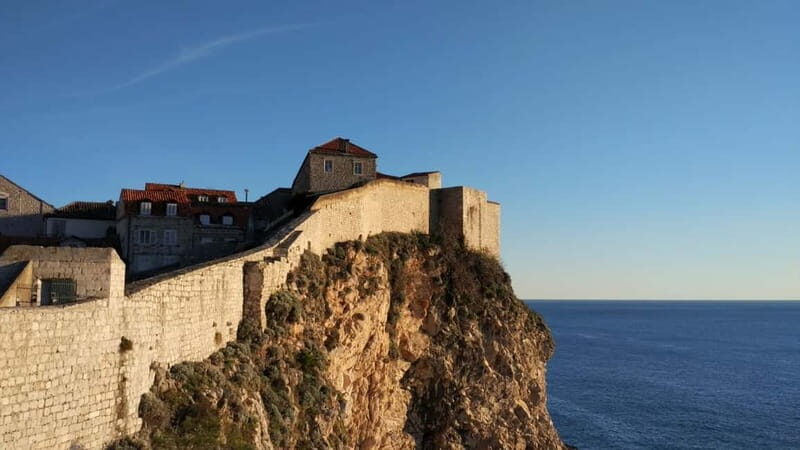
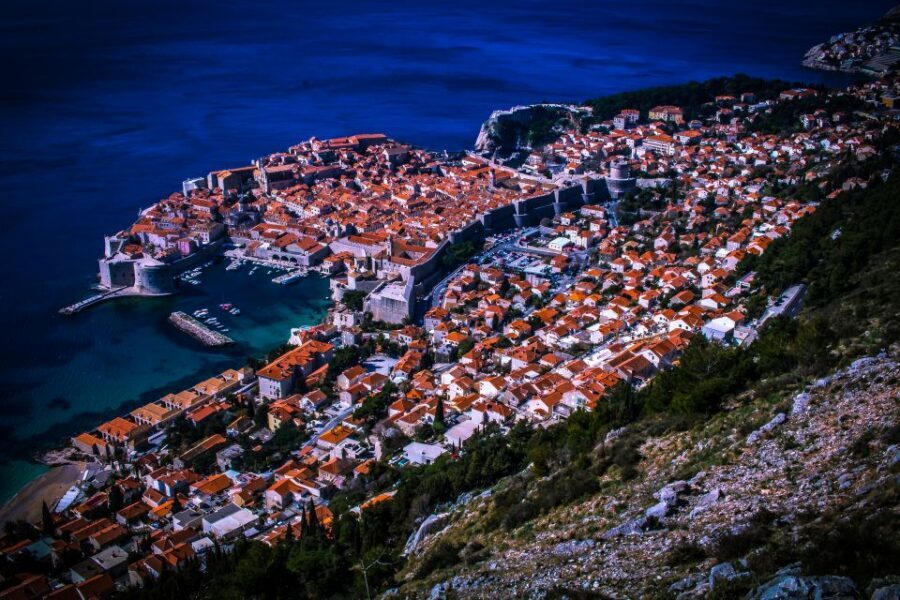
Dubrovnik’s wall walk is famous for a reason. From the top, the Old Town looks crisp and compact, while the Adriatic looks huge and calm—an instant reminder that this city had to defend itself on both fronts: people and trade.
What makes this tour worth your time is that it’s not only about sightseeing. You’ll get a guided explanation of why specific sections were built, who they protected, and what attackers used to try to break in. You’ll also learn what it was like to live inside the walls, because the route is described from the ground rules of a real fortified city, not a museum.
And yes, you still get the postcard stuff: harbor panoramas, the Old Harbor’s role in seafaring and trade, and towers and fortresses that look dramatic even before the guide starts talking.
You can also read our reviews of more tours and experiences in Dubrovnik


Where the tour starts by Fort Revelin and a red-white flag
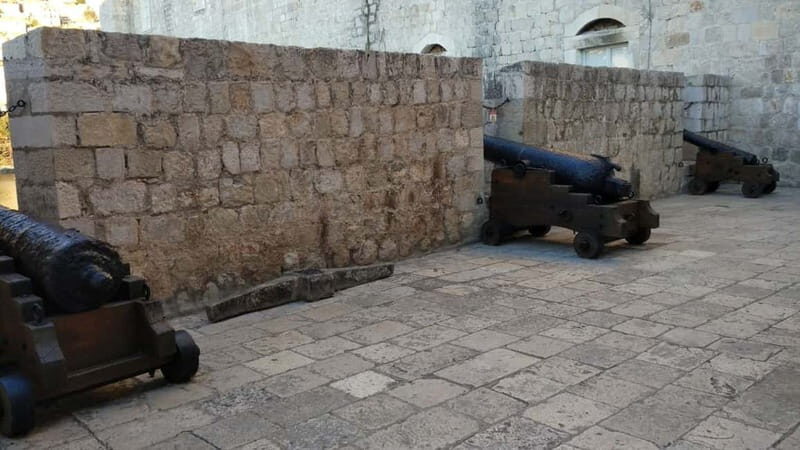
You’ll meet in a square by Fort Revelin, near the Ploče Gate. Look in the corner of the square by the cannon, and spot your guide holding a red and white flag.
This matters more than it sounds. The meeting point is specific, and Dubrovnik’s old streets can confuse you if you arrive late or wandering. Give yourself a little buffer so you can start the walk fresh.
From there, the tour moves quickly from street level to wall level. You’ll start by going up and taking in a view over the Old Harbor, which sets the context for everything that comes next.
First section: Old Harbor views and why the Republic cared about defense
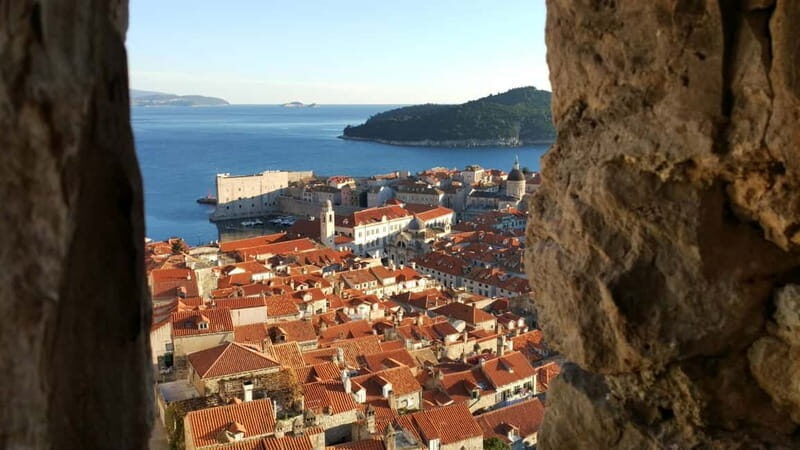
Early on, you’ll ascend onto the walls and get that first strong payoff: panoramic views over the Old Harbor. That harbor wasn’t just scenic. The guide connects it directly to the Dubrovnik Republic’s maritime life—seafaring, trade, and the constant need to protect routes and docks from enemy moves.
As you walk, you’ll get the sense that the city’s power came from shipping and the ability to keep it safe. That framing makes the whole route make sense. Instead of random towers and wall segments, you start seeing a system built to reduce risk and slow down attacks.
This opening stretch also helps you pace yourself. You’re warming up while listening, so by the time you reach the more technical parts—siege tactics, fortifications, and artillery—you’re already in the rhythm of climbing.
Fort Revelin and the northern stretch: tactics you can actually picture
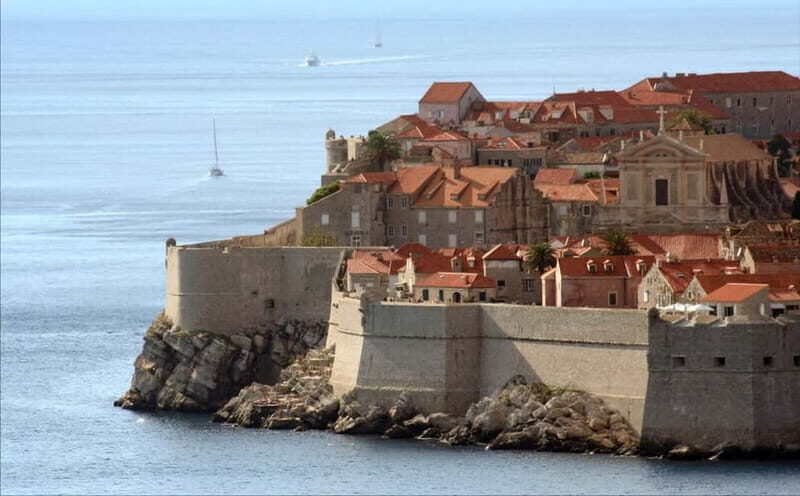
Fort Revelin is your first big anchor point. It guarded the eastern approach to the Old Town for centuries, and your guide explains what that meant in plain terms: controlling access and giving defenders a higher ground advantage.
Then you continue along the northern stretch of the walls. This is where the tour leans into medieval warfare details. Expect explanations that reference how attackers tried to breach defenses and how defenders countered them.
You’ll hear about things like bows and arrows, stone boulders, and siege tactics. The value here is not “knowing facts for trivia.” It’s learning how defense worked day-to-day—why walls were placed where they were, why certain structures mattered, and how a city could stay standing while political pressure built around it.
One small practical note: the wall surfaces can feel steep and uneven. Your comfort will depend on your shoes and how steady you are with stairs.
Ottoman diplomacy at a strategic tower (and why it’s not only violence)
At a strategic tower, the guide brings in the Dubrovnik Republic’s relationship with the powerful Ottoman Empire. The key point is how diplomacy could win out over open conflict.
This part is especially useful if you usually think of city defenses as a purely military story. Here, you’ll see that survival wasn’t only about cannons and walls. It was also about negotiation, positioning, and choosing when to fight and when to talk.
You’ll come away understanding that the walls were built in a political world where threats were real—but so were the tools of statecraft.




Minčeta Fortress and the Michelozzi connection: cannons and a perfect view
A big highlight happens atop Minčeta Fortress. You’ll reach one of the most rewarding viewpoints of the whole walk, with Dubrovnik spread below and the sea working as the backdrop.
Your guide also explains the contribution of Italian architect Michelozzi. That detail helps the fortress feel less like a random pile of stone and more like a designed defense point. You’ll hear about an old gun foundry and the cannons that once defended the area.
I like this segment because it gives your eyes something to do and your ears something to understand. You look at the structure, and the guide’s story gives it function. The timing also tends to make photography easier. If you hit the tour in morning light, the fortress area can feel warm and bright while the Old Town stays crisp below.
A Stradun photo vantage and the western fort system (Pile Gate protection)
Midway through the walk you’ll get a photo opportunity with an unusual vantage point looking toward Stradun, Dubrovnik’s main street. It’s the kind of shot that’s hard to recreate from street level because you’re seeing the spine of the city from the defense line above.
Then you move along the western stretch. The guide explains Forts Lovrijenac and Bokar and how they protected the Pile Gate. This is where the tour shifts from general “wall history” to a more specific “where and why.”
One standout fact you’ll hear: parts of Lovrijenac’s walls can reach a thickness of twelve meters. When a guide points that out while you’re standing above the structure, it stops being abstract. You start to understand why a city could hold out long enough for politics to do its work.
Lovrijenac’s thickness and what it means for modern visitors
You’re likely to notice how narrow some wall passages feel and how much the city relies on height. The tour uses that physical reality to make its points.
When you learn about twelve-meter wall sections, it also helps you see Dubrovnik’s walls as more than a boundary. They were engineered for endurance and for stopping specific kinds of attempts—things like siege pressure, projectile bombardment, and direct assault approaches.
The walk also helps you appreciate the balance between security and visibility. Defenders needed to see what was coming while attackers needed to cross open ground or find cover. You get those lines of sight in front of your eyes as you move.
Southern stretch: oldest and youngest sections plus Venice vs. Ottoman rivalry
As you traverse the southern stretch of the medieval walls, your guide points out both the oldest and the youngest sections. That age contrast gives the walk an extra layer: the city didn’t build once and forget. It adapted over time as threats and politics changed.
Here you’ll also hear about Dubrovnik’s ties with Venice and the rivalry between these maritime powers. This is another diplomatic layer, similar in spirit to the Ottoman Empire story earlier in the route. It frames the walls as a response to shifting alliances and pressure around the Adriatic.
Even if you’re not a history buff, this part works because it connects policy to stonework. You’ll look at a section and understand why it exists—not just that it’s old.
The final views at Fort St John and the Old Port
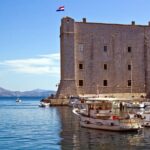
Near the end, you’ll pass Fort St John and then get close to views over the Old Port again. That closing loop helps you connect the entire walk: harbor access, fortification lines, and the gates that directed movement into the city.
It also gives you a cleaner “full picture.” Early on, you start with the harbor context. Later, you see how that harbor was protected and how the city’s defenders controlled entry points.
By the time the tour returns back to the meeting point, you’ve walked a complete circuit of sorts through the defensive thinking of the Dubrovnik Republic, not just a single viewpoint loop.
Price and value: $36 plus the city walls ticket
The tour is $36 per person for a licensed English-speaking local guide, with small-group size limited to eight participants. That price is appealing because you’re paying for interpretation on the walls—not just standing near them.
The one big cost note: the city walls entrance ticket is not included. If you have a Dubrovnik Pass, you can enter the walls for free and skip the line, and that can make the overall value much better.
If you don’t have the pass, the single ticket price is 40 Euros at the entrance. There’s also a reduced winter price: in January, February, November, and December the tickets cost 20 Euros. Students with a valid ISIC and under-18s pay 15 Euros.
So the value equation depends on you:
- If you already have Dubrovnik Pass, the $36 guide fee is the main spend.
- If you don’t, plan on paying for both the tour and the walls ticket, and do the math before booking.
Small group energy: why guides like Marko keep it moving
This tour is limited to eight guests per guide, and that has real impact on your experience. You’re not stuck listening from far away. You can ask questions, and the guide can adjust the pace.
The guiding style is a big reason people rate this walk so highly. Guides such as Marko (a local of Dubrovnik) are described as engaging and witty, with a passion that comes through as lived experience. One example from a small group situation: Marko kept a 10-year-old engaged for the full two hours by mixing stories and interactions, not just lectures.
There’s also a fun teaching element. The guide may quiz you at points during the walk to check understanding and keep attention up. It’s not a school test. It’s more like “pay attention and you’ll catch the connections.”
Even if you’re traveling solo, this format tends to feel personal. And if your group is tiny, you might effectively get a private-feel experience.
Who this Dubrovnik wall walk is best for (and who should skip it)
This is a strong fit if you like:
- walking with a purpose (not just drifting from photo spot to photo spot)
- military and political stories with real geographic context
- asking questions and getting direct answers from a local
It’s also a smart choice if you want high-value time. Two hours goes fast once you’re on the wall route, and the guide keeps it structured.
But it’s not for everyone. The tour is not recommended for people with walking difficulties. There are more than 700 stairs, there is no elevator or escalator, and it requires moderate fitness. It also isn’t suitable for people afraid of heights, wheelchair users, and children under 12.
If you’re on the fence, consider how you handle steep staircases for an extended period. The views are great, but the route is still a physical commitment.
Should you book the Walls of Dubrovnik tour?
Book it if you want Dubrovnik’s walls explained in a way that makes the city feel understandable—forts, gates, tactics, and diplomacy—while you earn big views as you climb.
Skip or choose something else if you know stairs and exposure will wear you down. This isn’t a gentle stroll, and there’s no way around the climbing.
If you’re deciding between this and simply walking the walls on your own, I’d lean toward the guided version. The $36 isn’t just for access. It’s for turning stone and sea views into cause-and-effect history you can feel as you move along the route.
FAQ
Where do I meet the guide?
Meet in the square in front of Fort Revelin, near the Ploče Gate. Look for your guide in the corner of the square by the cannon, holding a red and white flag.
How long is the tour?
The tour lasts about 2 hours.
How big is the group?
It’s a small group limited to up to eight participants per guide.
What language is the tour in?
The tour is guided in English.
Are the city walls entrance tickets included?
No. Entrance tickets are not included in the tour price.
How much is the city walls ticket if I don’t have a Dubrovnik Pass?
The single ticket price is 40 Euros at the entrance (cash or card). In January, February, November, and December the ticket costs 20 Euros. Students with ISIC and under-18s pay 15 Euros.
If I have a Dubrovnik Pass, can I skip the line?
Yes. If you have Dubrovnik Pass, you can enter the walls for free and skip the line.
Is this tour easy on the legs?
No. The tour involves more than 700 stairs and requires moderate fitness. There’s no elevator or escalator.
Is it suitable for wheelchair users or people with mobility impairments?
No. It’s not suitable for wheelchair users or people with mobility impairments.
Is the tour okay if I’m afraid of heights?
No. It’s not suitable for people afraid of heights.