REVIEW · DUBROVNIK
Two Countries in One day from Dubrovnik to Bosnia & Montenegro
Book on Viator →Operated by Cruiser Taxi · Bookable on Viator
Crossing borders takes a whole new meaning. I like how this one-day ride from Dubrovnik strings together Trebinje, Perast, and Kotor into a fast but memorable mix of Ottoman-era sights and Adriatic views.
I especially like the stop at Our Lady of the Rocks, where the story of the islet (and the boat to reach it) turns a quick viewpoint into a real moment. One thing to keep in mind: the schedule can feel time-tight, and the Bosnia and Kotor portions may not leave room for a slow, sit-down day.
In This Review
- Key Highlights You’ll Care About
- Two Countries in One Day: The Big Idea
- Price and Logistics: What You’re Paying For
- From Dubrovnik Area: Pickup, Comfort, and the Pace
- Trebinje Old City: Kastel’s Ottoman Touch in 30 Minutes
- Arslanagića Bridge: A 16th-Century Crossing with a Modern Story
- Herzegovinian Gračanica on Crkvina Hill: Views Plus Fresco Detail
- Perast: The Bay of Kotor Town That Makes You Breathe Again
- Our Lady of the Rocks: The Artificial Islet and the 22 July Tradition
- Kotor Old Town: UNESCO Walls and the St. Tryphon Shortcut to Wow
- Porto Montenegro: Luxury Marina as a Contrast Stop
- Timing Reality Check: How to Keep This Day From Feeling Rushed
- Who This Tour Suits Best (And Who Should Skip It)
- Should You Book This Bosnia and Montenegro Day Trip?
- FAQ
- How long is the Dubrovnik to Bosnia and Montenegro tour?
- Is pickup included, and where does it happen?
- Is this a private tour or do I join other groups?
- What language is the tour in?
- Is admission included for every stop?
- What happens if weather is bad or I need to cancel?
Key Highlights You’ll Care About
- Two countries in one day: Bosnia’s Trebinje plus Montenegro’s Bay of Kotor
- Trebinje’s Old Town and landmark Ottoman sites like Osman Pasha Mosque and the Clock Tower area
- Arslanagića Bridge details: Ottoman-era arches and a fascinating stone-by-stone relocation in the 1970s
- Herzegovinian Gračanica viewpoint on Crkvina Hill plus the tomb of poet Jovan Dučić
- Perast + Our Lady of the Rocks: the artificial islet, church museum, and the famous rock-throwing tradition on 22 July
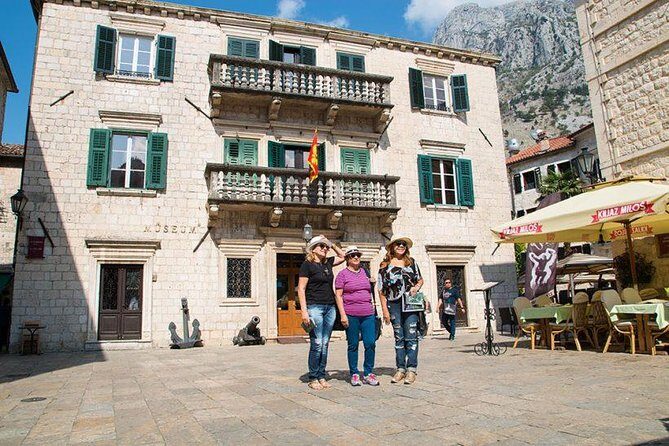
- Kotor UNESCO old town: city walls dating to the 9th century and the Cathedral of St. Tryphon
Two Countries in One Day: The Big Idea
This is a “yes, it’s a long day” kind of tour. You start in the Dubrovnik area and spend roughly 10 to 11 hours crossing into Bosnia and then continuing into Montenegro. That sounds intense, but the value is clear: you’re not just hitting one city—you’re seeing how the region’s cultures overlap in a single loop.
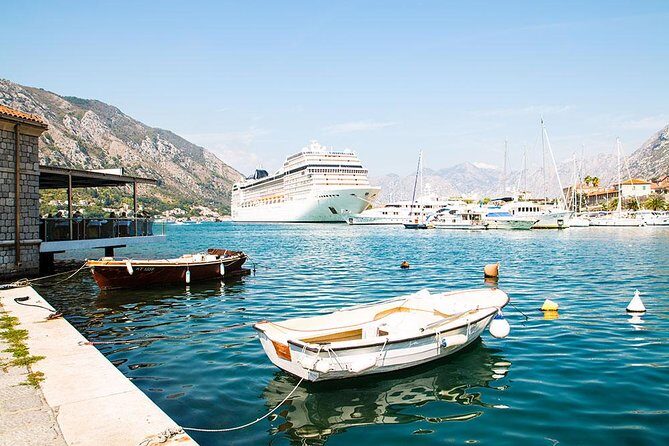
I like the way the route focuses on recognizable landmarks rather than vague scenic pull-offs. Trebinje gives you a compact dose of Ottoman-influenced architecture along the Trebišnjica River. Perast and Kotor shift the mood to the Bay of Kotor, where stone walls, waterfront promenades, and that distinctive Adriatic light do a lot of work for your photos.
Still, this format comes with a tradeoff. If you crave extra time for lunch, shopping, or wandering without a clock ticking, you’ll want to manage expectations before you go.
You can also read our reviews of more tours and experiences in Dubrovnik
Price and Logistics: What You’re Paying For
At $301.03 per person for about half a day of driving plus multiple stops, the cost only makes sense if you like structured sightseeing and you want a guide’s context. This tour includes pickup from the broader Dubrovnik area, a private group (your group only), and English commentary. You also get a mobile ticket, which saves friction on busy days.
One practical note: reviews show that timing can vary based on what happens along the way, including border moments and drop-off plans. That doesn’t mean the tour is “bad.” It means you should be prepared that the day can run to the edge of its planned length—especially around the most popular part, Kotor old town.
If you’re thinking, I’ll just slow everything down when we arrive—that mindset can clash with how a day-trip itinerary has to move.
From Dubrovnik Area: Pickup, Comfort, and the Pace
Pickup is offered from your location in the broader Dubrovnik area, which is a big plus if you don’t want to coordinate buses or taxis on a day that already feels like a marathon. The tour is also listed as near public transportation, which can matter if you’re staying near a main route.
The key “how to enjoy it” tip is simple: dress for movement. This kind of day has a lot of getting on and off the vehicle, short walks, and quick transitions between countries. Comfortable shoes matter more than you think, especially in older towns with uneven stone.
The tour operator is Cruiser Taxi, and it’s offered in English. On the guide side, reviews mention guides like Dino and Luca, and that variety can affect how much you get out of the explanations—so if your guide is talkative, lean into it.
Trebinje Old City: Kastel’s Ottoman Touch in 30 Minutes
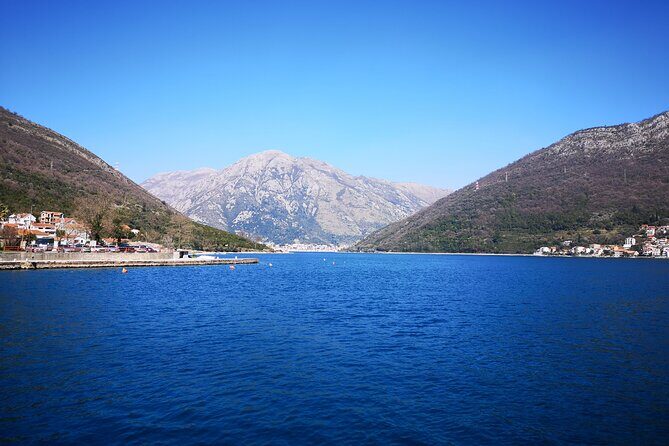
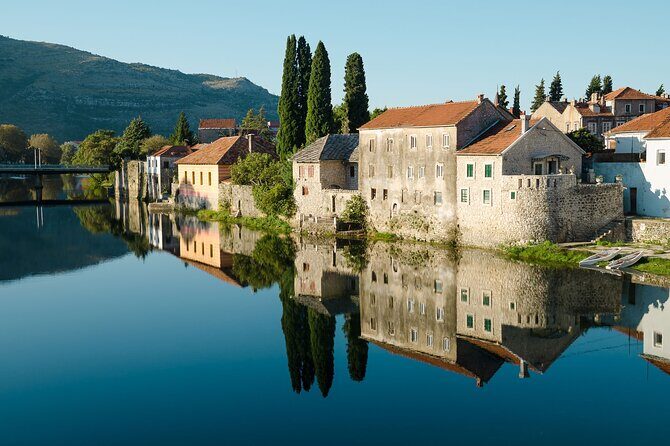
Trebinje’s Old Town (Kastel) is where the day starts to feel like more than driving. You get a stroll along the banks of the Trebišnjica River and a look at narrow cobblestone lanes, old walls, and Ottoman-era architecture.
You’ll hear about and (time permitting) see the Clock Tower and the Osman Pasha Mosque area. I like this stop because it gives you a history-forward scene without feeling like a museum tour. It’s built for walking: you can look up at details, glance into courtyards, and pick up the vibe fast.
Potential drawback: half an hour can be enough to orient you but not enough to explore at a leisurely pace. If you want to slow down—maybe sit with coffee after a guided walk—you’ll need to be selective about what you choose to linger over.
Arslanagića Bridge: A 16th-Century Crossing with a Modern Story
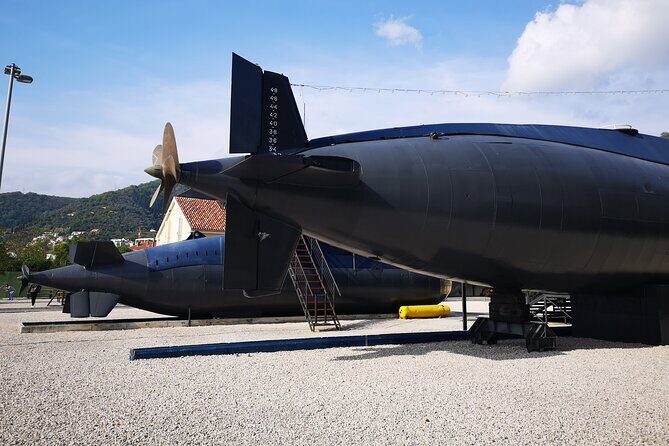
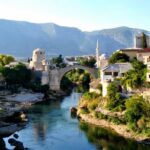
Next comes Arslanagića Bridge, a pedestrian stone bridge built by the Ottomans between 1568 and 1574. It crosses the Trebišnjica River and measures about 92 meters, with elegant arches made of local stone.
What I found most interesting here is the bridge’s survival story. In the 1970s, the bridge was carefully relocated stone by stone due to flooding from a nearby reservoir. That detail turns the bridge from “pretty bridge” into “this region cares about preserving its monuments.”
Expect a short stop, but the layout is ideal for quick photos. The bridge is described as beautifully illuminated at night, which matters if your timing runs later. Even in daylight, it’s a strong “you can feel the age” stop.


Herzegovinian Gračanica on Crkvina Hill: Views Plus Fresco Detail
If you’re the type who likes a stop that’s both spiritual and scenic, Herzegovinian Gračanica hits that sweet spot. The monastery complex sits on Crkvina Hill above Trebinje, giving panoramic views over the town.
This site is a replica of the famous Gračanica Monastery in Kosovo, which is an important context point because it explains why the architecture and interior style feel familiar to people who know the region’s religious heritage. Inside, you’re looking for frescoes and the sense of quiet the complex is built for.
One very specific detail: the complex includes the tomb of poet Jovan Dučić, matching his final wish to rest there. That’s the kind of fact that makes your stop feel more intentional than just a quick viewpoint.
Timing consideration: this is another stop around 30 minutes, so it’s best used for a careful loop—look at the view, then spend your time where the interior frescoes are. If you rush through, you’ll miss the point.
Perast: The Bay of Kotor Town That Makes You Breathe Again
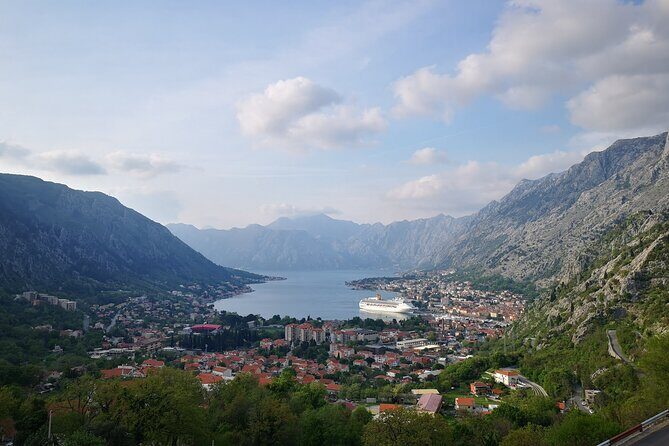
Perast is a small town by the sea, tucked between water and the mountain backdrop. The feel is classic Adriatic: a waterfront promenade with cafes, restaurants, and souvenir shops, plus architecture shaped by Venetian and Ottoman influences.
This stop is about 1 hour, which is enough to walk the promenade, take a few photos, and decide what you want to do next. The best part is that you can slow the pace for a moment. After the land-focused Trebinje stops, Perast gives your eyes a change of scenery.
Our Lady of the Rocks: The Artificial Islet and the 22 July Tradition
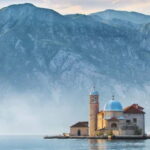
Our Lady of the Rocks is one of the two islets off the Perast coast. It’s an artificial island made by piling rocks, including sinking old ships loaded with rocks. That backstory is a big reason the place feels different from a normal viewpoint.
The church is the largest building on the islet, with a museum attached. Legend says local seamen found an icon of Madonna and Child on 22 July 1452, and after successful voyages they added rocks to the growing islet. Over time, the custom created what you see today.
There’s also an annual tradition: on the sunset of 22 July, locals take boats and throw rocks into the sea during an event called fašinada in the local dialect. The church was renovated in 1722, and that historical continuity adds weight to the visit.
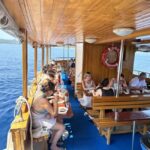
Money note: admission for this stop is listed as not included. And based on pricing shared by the guide in practice, you may be offered paid boat options from Perast to reach the islet. In one account, options ranged around 50, 100, or 200 euros per person, depending on the boat plan (including choices like swimming and timing to Kotor). It may be worth it, but confirm costs up front so there are no surprises.
If you’re on a budget, treat the boat as the decision point of the day. If you love stories and you like being on the water, the boat portion can be the highlight.
Kotor Old Town: UNESCO Walls and the St. Tryphon Shortcut to Wow
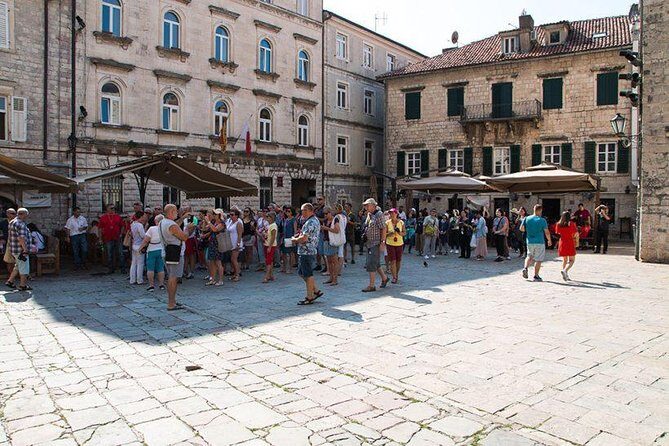
Kotor old town is a UNESCO World Heritage Site, surrounded by city walls dating back to the 9th century. That wall system is the reason Kotor feels dramatic even if you only see the center.
Expect about 1 hour here, which typically means a quick walking loop and a guided orientation. You’ll likely spend time around the main square area and key sights like:
- Cathedral of St. Tryphon (12th-century), one of Kotor’s most recognizable symbols
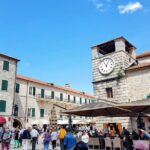
- Clock Tower
- Sea Gate
- Maritime Museum, tied to Kotor’s seaport past
What makes Kotor work in a day trip is that the old town is compact, but not tiny. With limited time, you can still get that “I get why people love this place” feeling by focusing on walls, square landmarks, and the cathedral area.
Practical drawback: time can be tight. One review described Kotor feeling rushed and lunch time not quite matching expectations. If you’re the type who needs a long meal to reset, eat early if you can, and be ready to keep your pace steady.
Porto Montenegro: Luxury Marina as a Contrast Stop
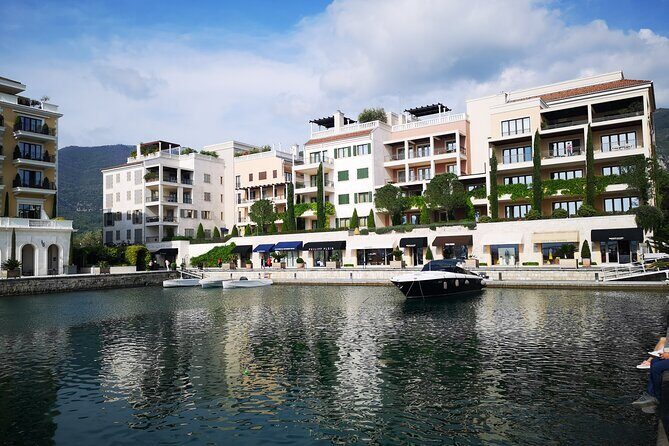
After history and sea-island folklore, Porto Montenegro is the tonal shift. It’s a prestigious marina on the Adriatic, known for luxury and geared toward super yachts and wealthy visitors.
You won’t experience it like a museum, and you may not need much time here. But I like the contrast. You go from Ottoman bridges and hilltop monasteries to a sleek marina scene, and you can see how different parts of the region attract different travelers.
This stop can feel short and “look around and move on,” which is fine since the earlier stops do most of the emotional work.
Timing Reality Check: How to Keep This Day From Feeling Rushed
The tour runs on a tight timeline by design. If your goal is maximum sightseeing per hour, you’ll likely enjoy the structure. If your goal is to linger, you may feel squeezed.
Here’s the approach that usually works best on days like this:
- Pick your priorities before you board: for me that’s Herzegovinian Gračanica views and the Kotor walls area.
- Plan your pace: quick photo now, longer look later.
- Be flexible about meals: you may end up with a guided restaurant stop or a fast lunch depending on how the day runs.
- Ask about boat costs early in Perast if you want to visit Our Lady of the Rocks, since the boat ride can affect your total spend.
Also, this route depends on good weather. If skies are bad, the experience may be canceled and you’ll likely be offered another date or a full refund.
Who This Tour Suits Best (And Who Should Skip It)
This is a great fit if you:
- want a structured day trip from Dubrovnik with minimal planning
- like mixing history, architecture, and coastline views in one go
- enjoy guided context, especially for Ottoman and monastery architecture details
- can handle a schedule where each stop is mostly a “see the highlights” visit
It’s a weaker fit if you:
- want long free time to shop and wander without a timeline
- hate any chance of extra charges for activities like boat rides
- strongly prefer slow meals and deep exploration in each town
If you’re traveling with older kids or teens who can handle walking and a few short stops, it can work. If you’re on a tight mobility setup, you might still be able to participate since the tour says most travelers can, but the day is still fast-paced.
Should You Book This Bosnia and Montenegro Day Trip?
I’d book it if your fantasy vacation is a highlight reel of the region—Ottoman-era landmarks in Trebinje, a hilltop monastery above the river town, and then the Bay of Kotor with Kotor’s UNESCO walls and the Our Lady of the Rocks story.
I’d pause before booking if you want a relaxed day with generous free time, or if boat add-ons and tight timing would frustrate you. In this format, the tour wins on variety and loses a bit on breathing room.
If you go, do it with a plan: decide which two stops matter most to you, budget for possible boat costs, and keep your schedule mindset flexible.
FAQ
How long is the Dubrovnik to Bosnia and Montenegro tour?
The experience is listed as 10 to 11 hours.
Is pickup included, and where does it happen?
Pickup is offered from your location in the broader Dubrovnik area.
Is this a private tour or do I join other groups?
It’s a private tour/activity. Only your group participates.
What language is the tour in?
The tour is offered in English.
Is admission included for every stop?
Admission is marked free for several stops, but Our Lady of the Rocks is listed as not included.
What happens if weather is bad or I need to cancel?
The experience requires good weather. If canceled due to poor weather, you’re offered a different date or a full refund. You can cancel up to 24 hours in advance for a full refund.