REVIEW · DUBROVNIK
Pearls of the Balkans from / to Dubrovnik; Semi – Private Tour
Book on Viator →Operated by Choose Balkans · Bookable on Viator
Eight days across the Balkans is a lot.
That’s the point here: you get UNESCO sights and real day-to-day Balkan culture in one tight route, plus hands-on stops like handmade paper in Ohrid. You also travel with pickup from Dubrovnik and a small group size, so the trip feels personal even when you’re crossing borders.
The tradeoff is simple. You’ll spend long hours in the car, and the vehicle logistics (including potential electric-car charging needs or occasional car trouble) can affect the flow of a day.
In This Review
- Key highlights in plain terms
- A semi-private road trip from Dubrovnik you can actually plan around
- Days 1–2: From medieval Dubrovnik to Kotor, Budva, and Tirana
- Day 1: Kotor’s old-town maze and Budva’s split personality
- Day 2: Tirana’s communist memory and the city’s main squares
- Days 3–4: UNESCO towns, Ottoman architecture, and bridges in Skopje and Prizren
- Day 3: Berat’s windows, Ohrid’s lake views, and a paper-making workshop
- Day 4: Skopje’s grand monuments, the old bazaar, then Prizren’s mosques and fortress views
- Days 5–6: Slow food farm time, Venetian-style masks, and Lake Skadar calm
- Day 5: A slow-food agro-tourism stop and Shkodra’s crafts
- Day 6: Shkodra Lake National Park and Virpazar’s lakeside break
- Days 7–8: Ottoman springs at Blagaj, Mostar’s Stari Most, then back to Dubrovnik
- Day 7: Blagaj’s Buna spring and Mostar’s Old Bridge
- Day 8: The handoff back to Croatia
- What you really get for the price (and what you’ll pay extra)
- Logistics that can make or break your day
- Who this tour suits best
- Should you book Pearls of the Balkans from Dubrovnik?
- FAQ
- What time does the tour start?
- Where are pickup and drop-off offered?
- How long is the tour?
- Is this tour private?
- What language is the tour offered in?
- What meals are included?
- Are lunches and dinners included?
- Are entry tickets included?
- How much extra is there for a single room?
- Can the booking be changed or refunded after cancellation?
- Do I need travel insurance?
Key highlights in plain terms
- Small group size (max 10) keeps conversations easy and turns stops into more than checkboxes
- Dubrovnik early start and border meeting means you waste less time on the first day
- Big UNESCO hits: Kotor, Berat, Ohrid, and Mostar’s Stari Most
- Culture stops beyond monuments: handmade paper in Ohrid and the Venetian-style mask factory in Shkodra
- Nature time at Lake Skadar with Virpazar as a calm break from cities
A semi-private road trip from Dubrovnik you can actually plan around
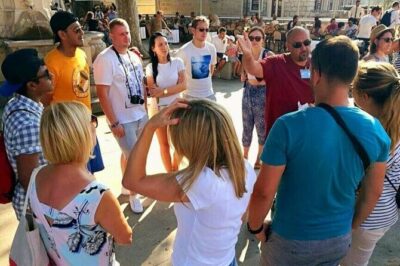
Pearls of the Balkans is an English-speaking semi-private tour that runs about 8 days with a maximum of 10 travelers. You’re not dealing with huge bus groups, so you can ask questions, get advice, and adjust your pacing at certain stops (within reason—this is still a touring schedule).
The route is built like a corridor across the Balkans. It starts in Dubrovnik (Croatia), then works its way through Montenegro, Albania, North Macedonia, Kosovo, and Bosnia & Herzegovina, before finishing back near Dubrovnik. Hotel pick-up and drop-off are offered in Dubrovnik or Kotor, and you’ll also use a mobile ticket for the tour.
If you’re the type who likes seeing how different countries handle religion, architecture, and everyday life, this is a good fit. You’re not only looking up at monuments. You’re walking old streets, visiting working religious sites, and stopping at crafts and food-related places that feel local.
Two practical notes before you get too excited:
- The package includes private transportation and a professional tour leader, but meals beyond breakfast are on you.
- You should be comfortable with early mornings and lots of moving days. Some of the charm comes from that pace.
You can also read our reviews of more private tours in Dubrovnik
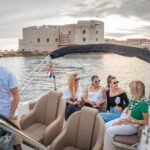
Days 1–2: From medieval Dubrovnik to Kotor, Budva, and Tirana
Day 1: Kotor’s old-town maze and Budva’s split personality
You start with an early Dubrovnik pickup around 7:30 am, then transfer to the border area where you meet your tour leader. Even before you reach the first country stops, you’re already doing what this kind of trip does best: removing dead time.
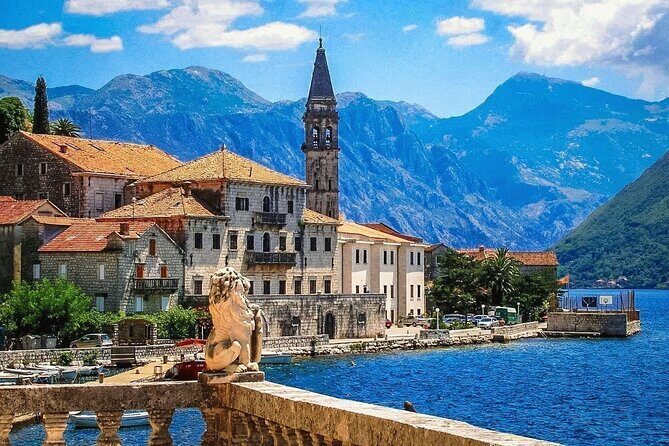
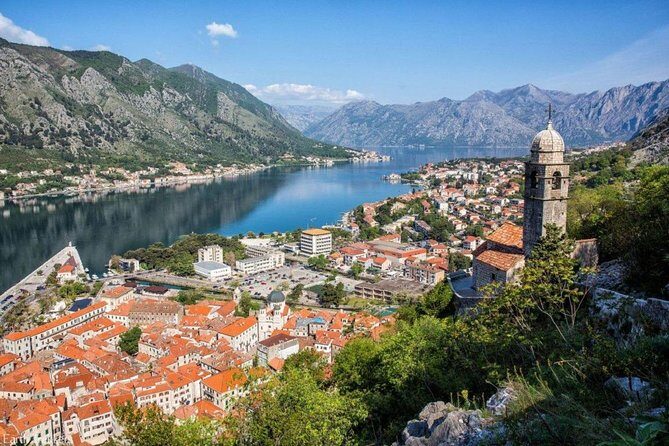
In Kotor (UNESCO), you’ll walk the narrow cobblestone streets of the old town. The layout can feel intentionally chaotic, and that’s not just a quirk. The street plan was shaped to confuse intruders in earlier centuries. Expect a mix of small details—dated plaques on old buildings and churches—and a stop at Saint Luke’s church that’s meaningful for locals.
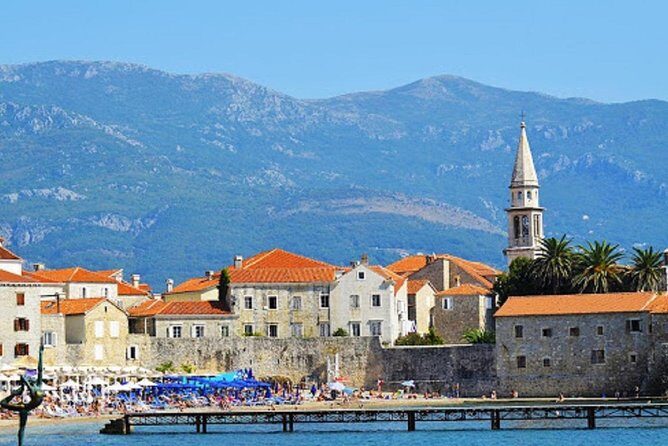
Next comes Budva. This town is split between newer developments and the historic core. You’ll focus on the old town, with sights tied to churches like St. Ivan and St. Mary, plus the medieval street fabric. It’s a classic “walk, look, absorb” day rather than a deep museum day.
Tip for your comfort: wear shoes you trust. Cobblestones add up fast, and you’ll be walking through old-city layers.
Day 2: Tirana’s communist memory and the city’s main squares
You drive to Tirana and check in at your accommodation. Then you get a guided introduction that mixes the political past with today’s street life.
Your first stop is Postblloku (Checkpoint), a memorial tied to Albania’s communist-era isolation and the prisoners affected by that regime. After that, you’ll move into the Blloku Neighborhood, once restricted to top party members, now a hub with cafes, boutiques, and colorful street art. You’ll also pass by the residence associated with communist leader Enver Hoxha.
The walk continues toward Skanderbeg Square, named after Albanian national hero Gjergj Kastrioti Skënderbeu. Around the square you’ll see major cultural and civic buildings, plus the Ethem Beu Mosque and the atmosphere of a central city square.
Then you shift to the theme of state control over religion. Albania is described as the world’s first atheist state in 1967, with religious practices banned and institutions closed or repurposed. Your route includes stops you can connect to that story, like Namazgah Mosque (noted as the largest in the Balkans), plus an Orthodox cathedral and the Catholic St. Paul’s Cathedral. The result is a city tour that feels more meaningful than just pretty streets.
Days 3–4: UNESCO towns, Ottoman architecture, and bridges in Skopje and Prizren
Day 3: Berat’s windows, Ohrid’s lake views, and a paper-making workshop
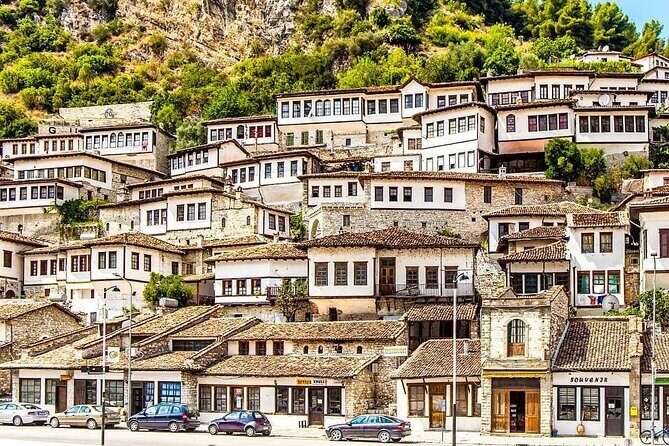
Today starts with Berat, called the town of 1001 windows and listed as UNESCO. The beauty here is the way medieval houses overlap up the hills. You’ll walk through tight stone streets where windows stack visually, creating the iconic look.
You also get time to understand the timeline: Berat began as an Illyrian settlement centuries BCE, later turned into a castle city, and people still live within the castle walls. The town is a blend—castle life above, daily life below—so it doesn’t feel like a sealed-off museum town.
Then you visit Berat Castle for a short stop with castles, churches and mosques, plus the lower town scene and museums. It’s a compact visit, but the payoff is that you get context while the views are still fresh.
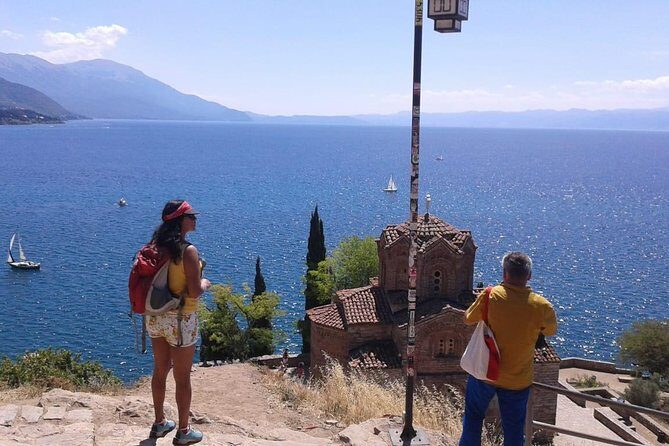
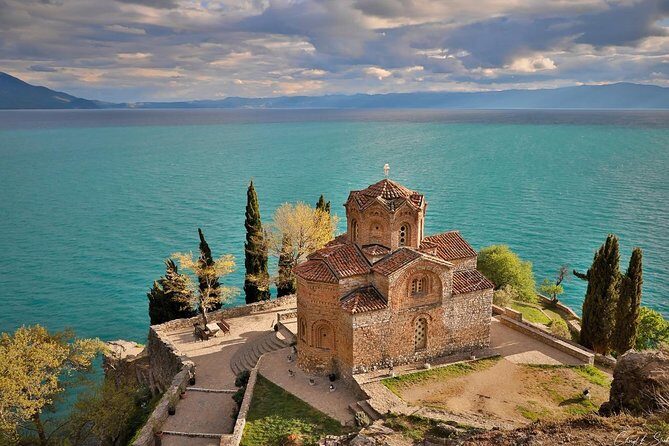
After Berat, you head to Ohrid, another UNESCO site tied to one of Europe’s oldest human settlements. Ohrid and the lake are treated as one story. You’ll see a viewpoint at Church of St. John at Kaneo, plus the broader idea of Ohrid’s famous church count—often described as 365 Orthodox churches.
To break up the religious-and-views rhythm, you stop at a small but memorable place: the National Workshop for Handmade Paper Ljupcho Panevski. The museum/workshop focuses on traditional handmade paper production, and you can typically buy handmade paper as a souvenir. This is the kind of stop that makes a big multi-country trip feel human, not just rushed.
Day 4: Skopje’s grand monuments, the old bazaar, then Prizren’s mosques and fortress views
You continue to Skopje, the capital of North Macedonia, described as a mix of European, Ottoman, and Asian influences. You’ll have a short intro time, but the main focus is the parts of the city where you can see layers.
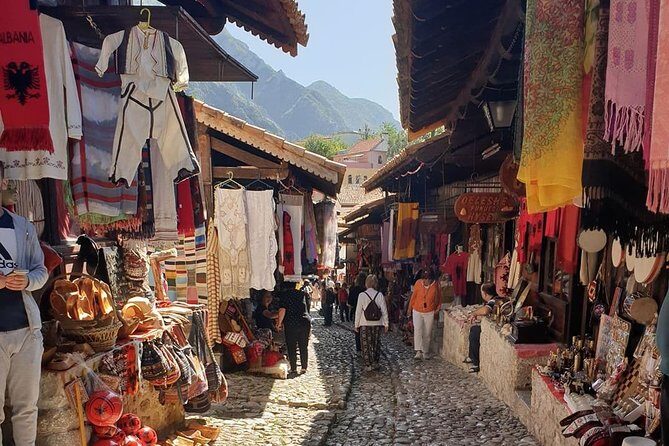
You’ll stop at the Alexander the Great Statue and move across the Stone Bridge, which connects Skopje’s old and new areas. You’ll also walk the Old Bazaar, described as the biggest in the Balkans, where modern life and older structures share space.
Another visual highlight is the Art Bridge, lined with street lanterns and statues tied to Macedonian artists and musicians, plus the idea of a distant cross symbol that can be seen for miles. It’s the sort of city tour stop where you start noticing what the city chooses to display.
Then you drive to Prizren in Kosovo, often described as the cultural capital of the region. You’ll walk through the old town with its river running through it and bridges that crisscross the center. The stop sequence includes Sinan Pasha Mosque for about half an hour, noted for its arabesque color and pattern, and then Kalaja Fortress for the panorama over town.
This day works best if you like architecture and you don’t mind stairs and viewpoints. Prizren’s payoff is the view from above.
Days 5–6: Slow food farm time, Venetian-style masks, and Lake Skadar calm
Day 5: A slow-food agro-tourism stop and Shkodra’s crafts
You start with Mrizi i Zanave (Agroturizëm), described as one of the best slow-food agro-tourism stops in the Balkans. You’ll tour the farm, learn how it employs people locally (it’s described as supporting jobs for more than 400 people), and see how they collect, elaborate, and preserve regional bio fresh local products.
You’ll also learn how a family business adapted older communist-era buildings for storage of local products. Then you get free time for lunch on your own (or time to buy fresh produce). Since lunches and dinners are not included in the tour price, plan to budget for whatever you eat here.
In the afternoon you move to Shkoder/Shkodra, described as in Albania’s northwest and tied to Lake Shkodra’s name. You’ll get a short orientation with historical anchors like the oldest wall of Shkodra castle dating to the 1st millennium BCE and a reference to the Roman historian Livy.
The craft stop is Venice Art Mask Factory, where you see handcrafting of papier-mâché masks. These are painted and decorated by hand with styles inspired by Venetian carnival traditions, plus modern creations. It’s a compact visit, but it’s creative and easy to remember.
Day 6: Shkodra Lake National Park and Virpazar’s lakeside break
After breakfast, you head toward the border into Montenegro. The scenery changes into rolling green hills and villages, and you get your first lake glimpses.
Your nature anchor is Lake Skadar, described as the largest lake in the Balkans and a protected national park. You’ll hear the bird story: over 260 species, including pelicans and herons. This is one of the best days for photos and just slowing your brain down.
Then you reach Virpazar, a lakeside village often described as a gateway to the national park. You’ll get around an hour to stroll in town, check out a small market, and enjoy a coffee or local wine while looking across the water. Even if you don’t do anything fancy, this stop is your breathing space.
From there, you continue to Podgorica, Montenegro’s capital. In the evening you’ll have time to explore key sights like the Millennium Bridge, Old Ribnica River, and Independence Square. This is more flexible time, which helps on a trip that’s otherwise very structured.
Days 7–8: Ottoman springs at Blagaj, Mostar’s Stari Most, then back to Dubrovnik
Day 7: Blagaj’s Buna spring and Mostar’s Old Bridge
You cross the border into Bosnia & Herzegovina and visit Blagaj, a small Ottoman medieval town near Mostar. It’s positioned at the foot of a cliff with blue waters in front and a notable natural feature: the spring of the river Buna. You’ll have about an hour to take in the setting.
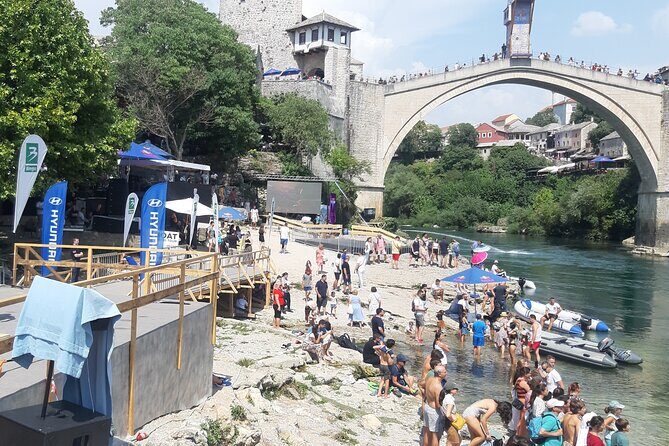
Then you move to Mostar, with stops that matter. First is Stari Most (Old Bridge), part of UNESCO, built in the 16th century in a typical Islamic architectural style. From there you’ll walk through the Old Bazaar, with colorful streets and lively market energy.
You’ll also see city reminders tied to history using stones marked with a don’t-forget message around town. You finish with a visit to Bišćevića Kuća, described as one of the finest Ottoman residential houses in the region, built in the 17th century and preserved, giving a more intimate look at a wealthy Ottoman family home.
Day 8: The handoff back to Croatia
Your final day is the wrap-up. Your tour leader takes you to the Croatian border, and then the local representative driver shuttles you back to your Dubrovnik hotel. It’s the clean end to a packed route, and it’s worth planning an easy evening in Dubrovnik so you can absorb what you’ve seen.
What you really get for the price (and what you’ll pay extra)
The price shown is $3,434.13 per person. For many people, that number will feel steep at first glance. But compare what’s bundled: you’re paying for private transportation, a professional tour leader, hotel pick-up and drop-off, entry tickets for the included sites, plus taxes and road costs like tourist taxes, international car insurance, road taxes, and petrol.
You also get BB (accommodation and breakfast) for your overnights. The package explicitly includes breakfast 6 times, not every single morning. That means lunches and dinners are still on you throughout the trip.
So where’s the value?
- You’re crossing multiple countries in a week without having to design the transport yourself.
- You get guided time at a set of landmark and cultural stops, plus a few “off the main list” experiences like handmade paper and mask-making.
- You get that small-group feel, with a max of 10.
Where’s the cost sting?
- Your daily food bill is on you.
- Basic hotel quality can vary. One shortcoming that shows up in feedback is that some hotels can be small and breakfasts may be underwhelming compared to expectations.
If you want predictable meals and room comfort without surprises, you may need to budget extra and ask questions before you book.
Logistics that can make or break your day
The tour runs on a tight schedule: early pickups, border crossings, and multiple stops each day. That’s normal for a multi-country route. What you can control is how prepared you are.
Here are the practical realities to plan for:
- Walking time is real: old towns like Kotor and Mostar mean stairs, cobblestones, and uphill views.
- Weather can shift timing: the schedule may adapt due to conditions or external factors.
- Car logistics matter: on one departure, the vehicle was an electric car and charging station availability interfered with timing. That’s not something you can fully predict, but it’s smart to be open to it if charging infrastructure is limited on your route.
- Repairs can happen: in one case, there was car trouble on day one, and the company handled it by switching vehicles and arranging a different guide for a day so Mostar wasn’t missed. That’s reassuring if you like knowing there’s a process when things go sideways.
My advice: pack a little patience and a little flexibility. Also, if you’re picky about hotel room size, consider booking a room category carefully, because room size and breakfast quality can affect how you feel about the whole trip.
Who this tour suits best
This is a strong choice if:
- you want a first-time Balkans overview across many countries
- you care about religion, architecture, and how cities grew
- you like markets, old streets, and “learn by walking” days
- you’re okay paying extra for lunches and dinners to keep the tour moving
You might reconsider if:
- you want lots of free time in just one city
- you dislike early starts and long driving days
- you’re expecting higher-end hotels and consistently impressive breakfasts
Should you book Pearls of the Balkans from Dubrovnik?
If your goal is to see a wide slice of the Balkans in a single trip, this tour makes a lot of sense. The route hits major UNESCO sites and adds cultural stops that feel specific, not generic. I especially like that it doesn’t only center on monuments—it gives you crafts, handmade paper, and a farm stop that connects food to the local economy.
Book it if you’re comfortable with a packed schedule and meal costs outside the package. If you hate uncertainty around transport timing or room comfort, budget for that risk and ask the operator what to expect from your specific departure and hotel.
FAQ
What time does the tour start?
The start time is 7:30 am. Pickup details can also be arranged on request, and those alternative pickup times are 9:00 am in Dubrovnik or 11:00 am in Kotor.
Where are pickup and drop-off offered?
Hotel pick-up and drop-off are offered in Dubrovnik or Kotor.
How long is the tour?
It lasts about 8 days.
Is this tour private?
It is described as a semi-private tour with a maximum of 10 travelers.
What language is the tour offered in?
The tour is offered in English.
What meals are included?
Breakfast is included. The tour lists BB for all overnights and specifically includes breakfast 6 times.
Are lunches and dinners included?
No. Lunches, dinners, drinks, and snacks are not included.
Are entry tickets included?
Yes. Entry tickets for the sites that will be visited are included.
How much extra is there for a single room?
Single room occupancy is possible for an extra charge of 50 Euros per night per person in a 3-star hotel.
Can the booking be changed or refunded after cancellation?
The experience is non-refundable and cannot be changed for any reason.
Do I need travel insurance?
Yes. You are responsible for having your own health or travel insurance.