REVIEW · DUBROVNIK
Montenegro,Albania&Kosovo; Semi-Private Tour with Tour Leader&Car
Book on Viator →Operated by Choose Balkans · Bookable on Viator
Five days, three countries, one steady road trip. You’ll get a tight, well-paced mix of UNESCO-era streets in Kotor, slow-food Albania at Mrizi i Zanave, and Kosovo’s Prizren scenery and fortress views. The best part for planning is that this tour runs on a small group model with pickup and drop-off right at your Dubrovnik hotel.
What I like most is how the days balance big sights with local texture: stone streets, churches and mosques, and real stops to eat and shop (like byrek in Tirana and the Krujë bazaar). The second win is the limited group size—when guides can talk to everyone, the history and practical tips land better.
One thing to consider: border logistics can be stressful if there’s a delay. The experience depends on a clear border handoff between representatives and drivers, so it’s worth being ready early and keeping your phone on.
In This Review
- Key highlights worth your attention
- The route makes sense: Montenegro coast, then Albania, then Kosovo
- Dubrovnik pickup, small group limits, and why timing matters
- Day 1 in Montenegro: Kotor’s defensive maze and Budva’s Old Town churches
- Kotor UNESCO old town and Saint Luke’s Church
- Budva’s Old Town split: old charm and newer city energy
- Day 2 crosses borders in a way that adds meaning
- Mrizi i Zanave: slow food, jobs, and farm history
- Prizren, Kosovo: cultural crossroads you can walk through
- Sinan Pasha Mosque and the fortress panorama
- Day 3 in Albania: Krujë’s resistance story plus bazaar time
- Krujë’s Medieval Old Bazaar: wood, lanes, and shopping you can enjoy
- Krujë Castle: fortress on top, story in the stones
- Day 4 in Albania: Tirana food culture, coffee rituals, and Shkoder’s Rozafa view
- Tirana with a local companion: byrek first, then markets
- Bicycle bazaar and the New Bazaar: secondhand finds and traditional lunch
- Shkoder and Rozafa Castle: Lake views plus a three-river moment
- Day 5 return to Dubrovnik: free time, then a scenic Montenegro drive
- Border handoff: the one place to stay alert
- Price and value: what $2,146.51 buys you here
- Guide quality can make or break days: names to watch for
- Should you book this Montenegro, Albania and Kosovo car tour from Dubrovnik?
- FAQ
- What time does the tour start?
- Can I choose a different pickup time in Dubrovnik or Kotor?
- How many travelers are on the tour?
- What kind of transportation is used?
- What’s included for the price?
- Are lunch and dinner included?
- What hotels will I stay in?
- Is there a cost for a single room?
- What language is the tour offered in?
- Is the tour refundable?
Key highlights worth your attention
- Small-group feel (up to 10, capped at eight) so you’re not trapped in a crowd.
- Dubrovnik hotel pickup and drop-off for less wasted time at the start and end.
- Mrizi i Zanave slow-food farm with a guided tour and time to eat or buy produce.
- Prizren’s bridges and filigree paired with a mosque visit and fortress panorama.
- Krujë’s bazaar and castle tying Ottoman-era resistance to a very walkable old town.
- Rozafa Castle over Lake Shkodra and three rivers for a strong finish.
The route makes sense: Montenegro coast, then Albania, then Kosovo
This is one of those tours that’s designed for speed without feeling random. You start by getting your footing in Montenegro’s Bay of Kotor area, then pivot inland toward Albania, and only after that shift to Kosovo. In practice, that order helps because you’re not constantly repeating long drives back and forth. You’re building a picture of the region day by day: Adriatic coast towns first, then Ottoman-era and Balkan crossroads cities inland.
You’ll also notice the tour’s logic in the mix of stops. It’s not only monuments. You get everyday-style wandering in old towns, plus food-focused moments like the agro-tourism farm and the Tirana tastings. That matters because the Balkans can feel like a history mash-up at first. Food and neighborhood walking help you place what you’re seeing.
You can also read our reviews of more private tours in Dubrovnik
Dubrovnik pickup, small group limits, and why timing matters
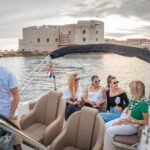
Pickup starts at 7:30 am, and that early start is the price of seeing three countries in five days. You meet the local representative (driver) in Dubrovnik, then move toward the border where you meet the tour leader. If you want flexibility, the tour notes pickup can also be arranged on request at 9:00 am in Dubrovnik or 11:00 am on Kotor free of charge.
The group size is a big deal. The tour is described as capped at eight for quality guide interaction, and it also lists a maximum of 10 travelers. Either way, it’s not a huge bus situation. In real terms, that usually means fewer waits at the curb, easier movement through smaller streets, and more chance to ask questions rather than just follow.
A practical heads-up: wear shoes that handle cobblestones and steep bits. Old towns here are beautiful, but they’re not built for fashion sneakers. You’ll do enough walking that comfort beats looks.
Day 1 in Montenegro: Kotor’s defensive maze and Budva’s Old Town churches
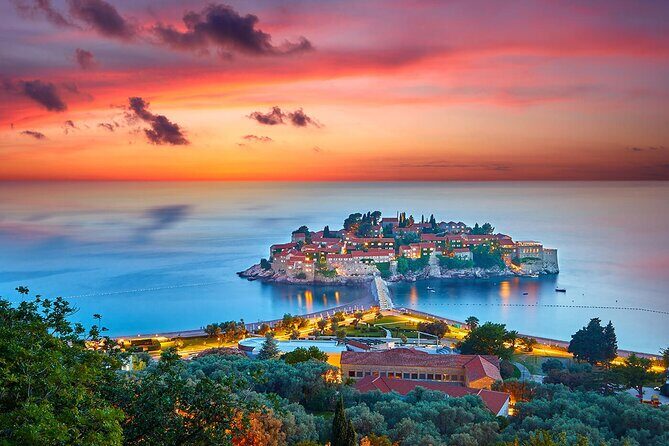
Your first full day anchors you in two Montenegro highlights with very different vibes.
Kotor UNESCO old town and Saint Luke’s Church
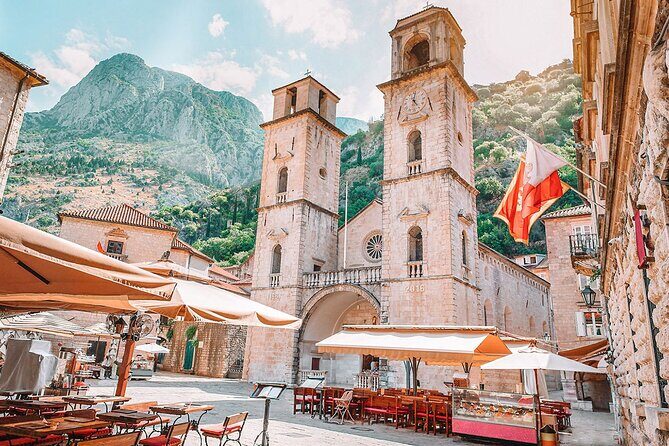
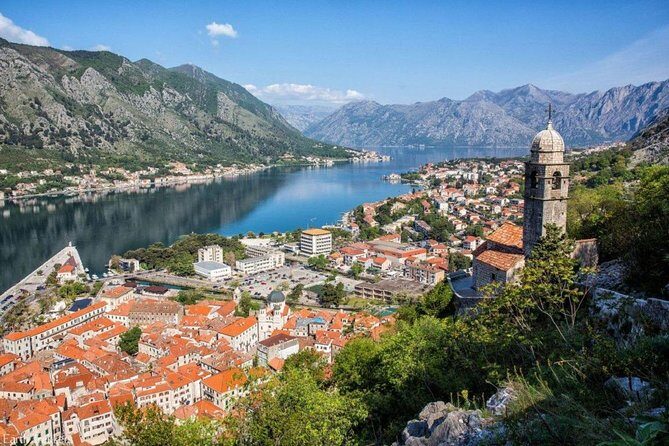
Kotor is UNESCO-listed, and the old town is one of the most satisfying places to “wander on purpose.” The streets look chaotic at first glance, but the layout served a defensive goal: confusing would-be intruders. As you move through the maze of narrow cobblestone lanes, you’ll pass buildings with small plaques that explain construction dates and original use—simple details, but they make the area feel less like a stage set and more like an actual living town over centuries.
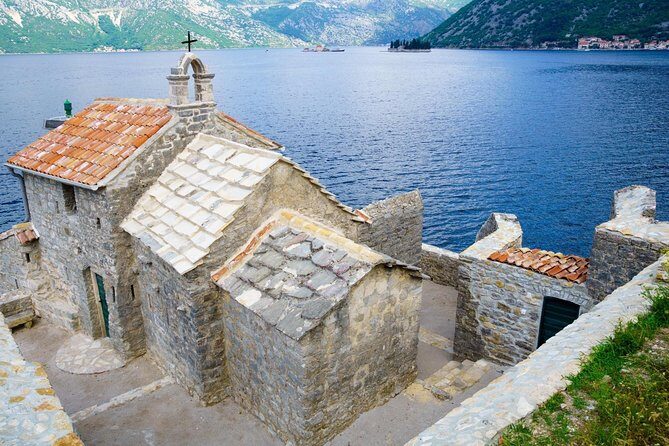
Saint Luke’s Church is the standout stop here. The tour frames it as important to locals because it represents unity. Even if you know nothing about Kotor’s past, that kind of meaning helps you understand why people keep returning to these places.
Budva’s Old Town split: old charm and newer city energy
After Kotor, you drive toward Budva. Budva is clearly divided between a newer, more modern stretch (more offices, shops, restaurants, and bars) and the older core with the historic lanes.
You’ll focus on Old Budva. The tour points you to a few religious and historic anchors in the old center, including St. Ivan Church and the smaller church of St. Mary. The value here isn’t just checking names off a list. It’s seeing how the old town still functions as a walk-through neighborhood, not only a postcard.
Potential drawback on Day 1: Budva’s old area is compact. If you’re expecting a long, deep dig, you may feel the time is short. The good news is Day 2 and Day 3 get more time in places where the old town structure is the main event.
Day 2 crosses borders in a way that adds meaning
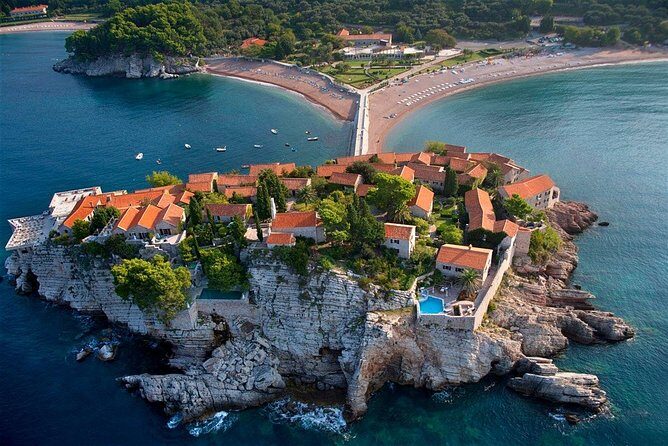
Day 2 is where this tour starts to feel different from a standard sightseeing loop. You cross from Montenegro into Albania, then onward to Kosovo, but the stops are chosen to explain the region rather than just stack landmarks.
Mrizi i Zanave: slow food, jobs, and farm history
Your first stop is Mrizi i Zanave, described as one of the best slow-food agro-tourism farms in the Balkans. This is a guided visit where you tour the farm and learn the story behind it—especially how it created jobs for more than 400 people in the surrounding area.
You’ll also hear how the business adapted older communist-era buildings for practical storage of regional bio products. That’s the kind of detail that makes a “farm visit” more than a photo stop. It links food production to local economic change.
The tour includes time for traditional lunch or for buying regional produce. Lunch itself isn’t listed as included, but the option is built into the stop. If you’re trying to eat like locals instead of hunting for menus on the road, this is a smart moment to plan around.
Prizren, Kosovo: cultural crossroads you can walk through
Next you head to Prizren, called Kosovo’s cultural capital. This is a city you experience at street level. The tour notes Prizren as an Illyrian settlement and a crossroads between Byzantine and Ottoman influences—so the architecture and neighborhoods make sense once you start paying attention.
A highlight is the river running through the heart of the old town, with bridges crisscrossing above it. That’s a huge part of the layout and the feel.
If you love festivals and seasonal energy, the tour mentions Dokufest in August, when the medieval city hosts that famous short film festival. Even if your travel dates don’t match, it helps you understand why Prizren feels like it has a creative pulse.
You’ll also get time to wander among elegant medieval houses. The tour points out filigree artisanal metalwork as a Prizren pride, so keep an eye out for small craft details and shopfronts.
Sinan Pasha Mosque and the fortress panorama
After Prizren’s streets, you visit the Sinan Pasha Mosque, known in the tour description for arabesque colors and patterns. The point isn’t only the building. It’s that the city includes different faith traditions in a visible, everyday way.
Then comes Kalaja Fortress. The view from the hill is the payoff: a panorama over Prizren that makes the street plan and river placement click. The tour lists fortress entry as included, so you won’t be sorting tickets on the ground.
Possible drawback on Day 2: Day 2 is packed—farm visit, then multiple Prizren stops. If you’re the type who needs long sit-down breaks, build in a snack plan for the gaps since lunches and dinners aren’t part of the package.
Day 3 in Albania: Krujë’s resistance story plus bazaar time
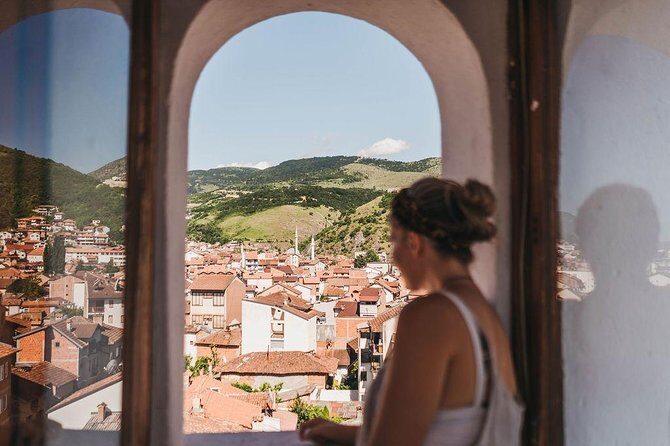
Day 3 brings you into Krujë, a historic city closely tied to Albanian resistance against Ottoman expansion in the 15th century. The tour describes Krujë’s position on mountainous terrain around 560 meters above sea level, which is why the town feels “set up” for defense—visually and strategically.
Krujë’s Medieval Old Bazaar: wood, lanes, and shopping you can enjoy
You’ll spend time walking through Krujë’s Medieval Old Bazaar. The tour calls it one of the biggest and oldest in the Balkans, built around narrow streets and wooden houses. For shopping, this is one of the best moments in the trip because it’s built into the sightseeing rather than forced as a detour.
You can look for souvenirs like carpets and jewelry, including handmade items. Even if you don’t buy, the best value here is seeing how local commerce still fits the old town structure.
Krujë Castle: fortress on top, story in the stones
Next is Kruja Castle, described as built during the 5th century AD and placed on a rocky hill for strategic defense. The fortress visit is listed with entry included, which makes the stop smoother. You’ll get the sense of why enemies struggled here, not just by reading history but by standing in the position it was designed for.
Practical note: Krujë can feel steeper than coastal towns. If you want photos, go slow and pace your climbs. The view is worth it, but rushing makes the day less fun.
Day 4 in Albania: Tirana food culture, coffee rituals, and Shkoder’s Rozafa view
This day is the cultural and culinary center of the tour.
Tirana with a local companion: byrek first, then markets
You meet a local companion and start with a breakfast stop at a small local place that only locals know how to find. The tour highlights byrek—dough with fillings like cheese, meat, or spinach. This is a good way to start Tirana because it grounds the city in taste before you go wandering.
Then you head to Çam bazaar, founded by the Albanian Çam community from an area called Çameria in today’s North-Western Greece. Even if you skip the deeper background, the real value is that the bazaar feels tied to people, migration, and identity—not only commerce.
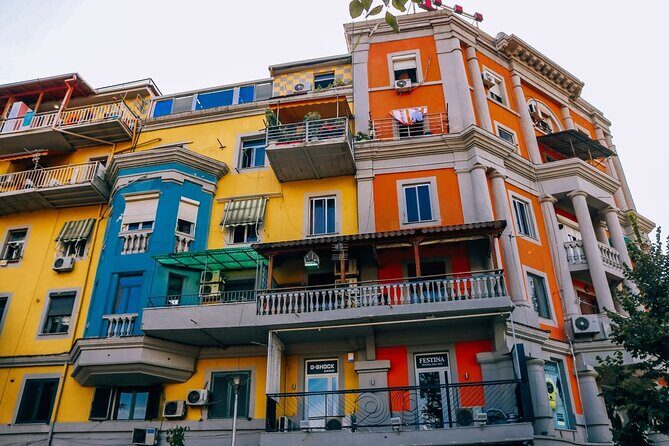
You also spend time in neighborhoods where the focus is daily life: street markets, colorful buildings, and casual energy. The tour mentions dessert at an authentic pastry and a stop to try traditional Albanian coffee at a cozy café. Coffee culture matters in Tirana because it’s social time, not only a caffeine stop.
Bicycle bazaar and the New Bazaar: secondhand finds and traditional lunch
The route continues to Pazari i Ri and specifically the so-called Bicycle bazaar, described as a place for second-hand clothes and second-hand furniture. Then you move to the New Bazaar for traditional Albanian lunch. The tour also ends the food run with Albanian raki.
Not everything is included as drinks are not listed under inclusions, but the lunch stop is part of the described program. If you like food tours, this is the day you’ll talk about.
Shkoder and Rozafa Castle: Lake views plus a three-river moment
After Tirana, you drive to Shkoder. The tour describes Shkoder as in north-western Albania and tied to Lake Shkodra, named as the biggest lake in the Balkans. It also gives a history framework: the oldest wall of the Shkodra castle dates to the first millennium BCE, and the Roman historian Livy described Shkodra as the capital of Illyrian king Gent.
Then comes Rozafa Castle with tremendous scenery of the lake and three rivers melting together into the Adriatic Sea. That last line is the kind of poetic geography that makes the final fortress stop feel special. Entry for Rozafa Castle is listed as included, so again you get a smoother experience.
Potential drawback on Day 4: If you’re not a food person, this day can feel like too much eating and tasting. But even then, it’s worth it for the neighborhood walking and the coffee culture stop.
Day 5 return to Dubrovnik: free time, then a scenic Montenegro drive
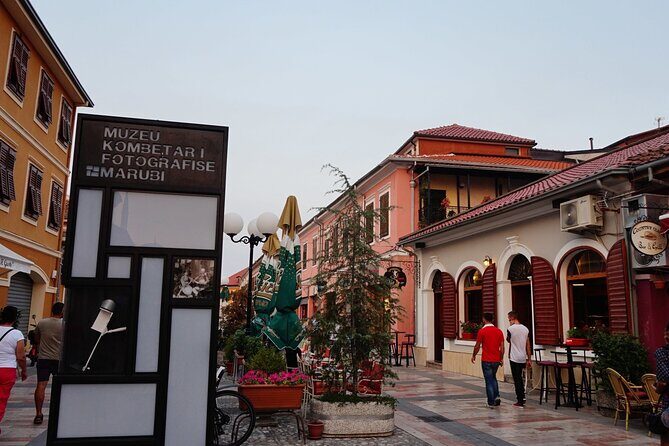
The last day starts with breakfast and some free time before departure. That buffer matters. You’re not rushing out immediately, and it helps you do a little last-minute packing or quick shopping near your hotel.
Then you drive toward the Croatian border. The tour describes the drive through Montenegro as picturesque. After reaching the border, a local representative shuttles you to your Dubrovnik hotel.
Border handoff: the one place to stay alert
This trip relies on meeting points at the border on both the first and last day. The experience design is: your representative driver shuttles you to the border, you meet the tour leader there, then on the way back the local Croatian partner handles the pickup from the waiting area.
Here’s the practical advice: on the last morning, be ready early and keep your phone charged. If there’s heavy traffic and a driver is delayed, you’ll want to follow the exact instructions you receive for the specific waiting area and timing. A small mix-up can turn a calm border stop into an unnecessary stress moment.
Price and value: what $2,146.51 buys you here
The listed price is $2,146.51 per person for an approximately 5-day program. That’s not a bargain-basement number, so the question is value.
What you’re paying for:
- A tour leader plus private transportation by car across multiple borders.
- Hotel accommodation with breakfast at 3-star hotels for the included overnights.
- Sightseeing entry tickets for the stops listed as included.
- Tourist taxes, international car insurance, road taxes, and petrol.
- Door-to-door pickup and drop-off at your Dubrovnik hotel (and the border coordination built into the route).
Where you can save (or plan ahead):
- Lunches, dinners, drinks, and snacks are not included.
- Souvenirs and personal spending are not included.
For me, this pricing makes sense if you want to do Montenegro, Albania, and Kosovo in one package with less organizing work and less logistical friction than building it yourself. If you’re the kind of traveler who enjoys DIY routing and loves trains or frequent public transport, you could probably create a cheaper plan. But you’d be trading that for time, planning effort, and more figuring out at borders.
Single room occupancy is possible for a 45 Euros extra charge per night per person, in 3-star hotels. If you’re traveling solo and want privacy without giving up the guided experience, that matters.
Guide quality can make or break days: names to watch for
Two guide names stand out in the available feedback: Bledi and Julian. Both are praised for being informative and for making the tour feel flexible—one guide tailored the tour to what the group wanted, and another provided history and tips that improved the journey.
You can’t control staffing, but you can control your approach. Bring your interests (food, photography, history, architecture) into your questions early. Ask your guide what’s most important for you to prioritize. In small groups, that kind of “feedback loop” often results in a better day.
Should you book this Montenegro, Albania and Kosovo car tour from Dubrovnik?
Book it if:
- You want a fast overview of Kotor, Budva, Prizren, Krujë, Tirana, and Shkoder without piecing together transit.
- You like walking old towns and seeing how food culture and architecture connect.
- You appreciate a small-group setup and want more than just “see it, move on.”
Consider skipping (or adjusting expectations) if:
- You dislike border-day logistics and prefer fully self-guided travel with flexible timing.
- You need lots of free time each day. This is a packed, multi-country format.
- You’re expecting lunch and dinner to be included. Those are on you.
If you go in with good shoes, a snack plan, and a calm attitude about the border timing, this tour can feel like a smart shortcut through a fascinating part of the Balkans—coast first, then cities, then fortresses and viewpoints that tie it all together.
FAQ
What time does the tour start?
Pickup begins at 7:30 am.
Can I choose a different pickup time in Dubrovnik or Kotor?
Yes. On request (at least 12 hours before departure), you can be picked up at 9:00 am in Dubrovnik or at 11:00 am on Kotor free of charge.
How many travelers are on the tour?
The tour lists a maximum of 10 travelers, and it is described as capped at eight.
What kind of transportation is used?
Private transportation by car with a tour leader.
What’s included for the price?
Accommodation and breakfast at 3-star hotels, a professional tour leader, private transportation, hotel pickup and drop-off in Dubrovnik (and Kotor as noted), entry tickets for visited sites, tourist taxes, and insurance/road costs/petrol.
Are lunch and dinner included?
No. Lunches, dinners, drinks, and snacks are not included.
What hotels will I stay in?
You stay in 3-star hotels, with breakfast included.
Is there a cost for a single room?
Yes. Single room occupancy is possible for an extra 45 Euros per night per person.
What language is the tour offered in?
The tour is offered in English.
Is the tour refundable?
No. The experience is non-refundable and cannot be changed for any reason.