REVIEW · DUBROVNIK
Korcula & Peljesac Full Day Private Tour from Dubrovnik
Book on Viator →Operated by DORIA Ltd · Bookable on Viator
A salt trail and a ferry day. This private Korčula and Pelješac full-day tour from Dubrovnik strings together Mali Ston, Ston, Korčula Old Town, and Pelješac wineries in one smooth plan, with an English-speaking guide (Stephen or Ivo). I love the air-conditioned vehicle for the long route, and you also get included Orebic–Korčula boat tickets plus guided time in Korčula so you’re not guessing your way around.
The main drawback to plan for is simple: food and drinks are not included. You’ll have free time for lunch in Korčula, but you’ll be paying for it yourself, so it helps to decide where you want to eat before you get hungry and spread out.
In This Review
- Key things that make this tour worth your time
- From Dubrovnik to Ston: the comfort factor that matters
- Mali Ston and Ston walls: salt, oysters, and the kind of history you can see
- Orebic to Korčula by ferry: quick, scenic, and well placed
- Korčula Old City walking time: Marco Polo, Venetian defense, and a south gate entrance
- Matusko Winery on Pelješac: wines, liqueurs, and cellar time
- Dingac wine zone photo stop: steep vines, sea views, and that tunnel moment
- Price and what you’re actually paying for ($372.47 per person)
- Guides, pacing, and the kind of day it is
- Who should book this Korčula & Pelješac private day
- Should you book this tour?
- FAQ
- What time does the tour start from Dubrovnik?
- How long is the Korčula & Pelješac private tour?
- Is pickup offered?
- What is included in the price?
- Is this tour private?
- Is there free cancellation?
Key things that make this tour worth your time
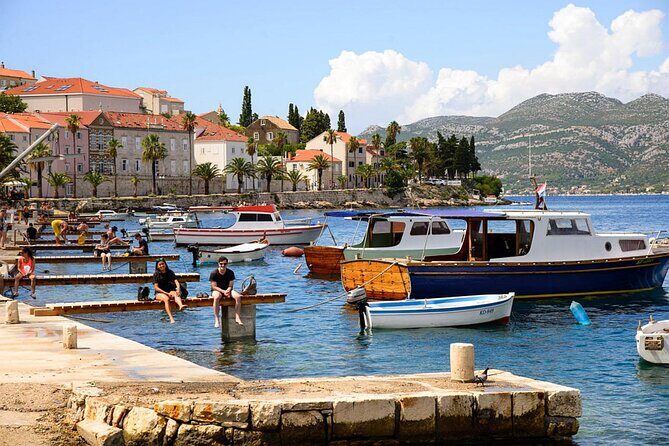
- Guided sightseeing in places that can overwhelm you solo (Ston walls and Korčula Old Town)
- Included ferry tickets for the Orebic–Korčula round trip, timed into the day
- Winery tasting at Matusko with a chance to try wines and liqueurs (5 total)
- Ston area context that turns photos into understanding (salt and oyster farming stories)
- Pelješac wine-country views from Dingac, plus a photo stop with big sea views
From Dubrovnik to Ston: the comfort factor that matters
If your Dubrovnik days start to feel like constant walking and packed buses, this one gives your body a break. You ride in an air-conditioned vehicle, and you’ve got a professional English-speaking driver-guide along the way. That sounds basic, but for a 9-hour day it’s the difference between enjoying stops and counting minutes.
The tour is also private, so your timing is less “follow the herd” and more “you’re doing it on your schedule.” It’s still a full itinerary, but you’re not dealing with group bottlenecks when you want to step out for photos or ask one extra question.
One more practical point: you start at 8:00am. Early starts pay off here because you’re moving toward Ston first, then the ferry connection, then Korčula, then Pelješac. By the time you reach the wine country, you’ve already knocked out the hardest logistics, like figuring out how ferry time and driving time fit together.
You can also read our reviews of more private tours in Dubrovnik
Mali Ston and Ston walls: salt, oysters, and the kind of history you can see
Your first stops build the same theme in two doses: how this coast got its wealth from salt and oysters. At Mali Ston, you get a photo stop and a short story from the licensed guide about the history of salt business and oyster farming in Bay of Ston. Then you’re pointed toward key sights like Toljevac Fortress, Koruna Fort, Captain’s House, and Mali Ston Old Town.
This is exactly the kind of stop that improves your photos. Without the context, it’s just stone and coastline. With the salt-and-oyster explanation, you start noticing the practical design choices around the bay and fortifications. You’ll also be better prepared for why the Ston area is treated like a must-see for people who enjoy food history.
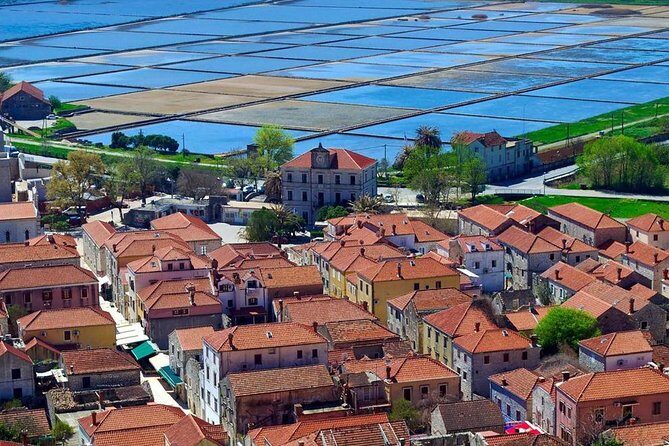
Then you roll into Ston for a short tour and coffee. Ston is famous for its medieval walls—5.5 km long, and noted as the second-longest preserved wall in the world. You’ll see Ston City Walls, Ston salt panes, Great Kastel Fort, the Gothic town center, Saint Blaise church, and the Franciscan Monastery.
The timing is short here (about 40 minutes), so you won’t feel like you’re stuck in a long museum. But you should keep your eyes open: walls, salt areas, and forts are spread out, and the guide’s narration helps you connect the dots fast.
One consideration: the stops are scenic and photogenic, but they aren’t built for a slow stroll marathon. If you love lingering for an hour with no pressure, plan to treat this as a “see the essentials with context” day rather than a wandering day.
Orebic to Korčula by ferry: quick, scenic, and well placed
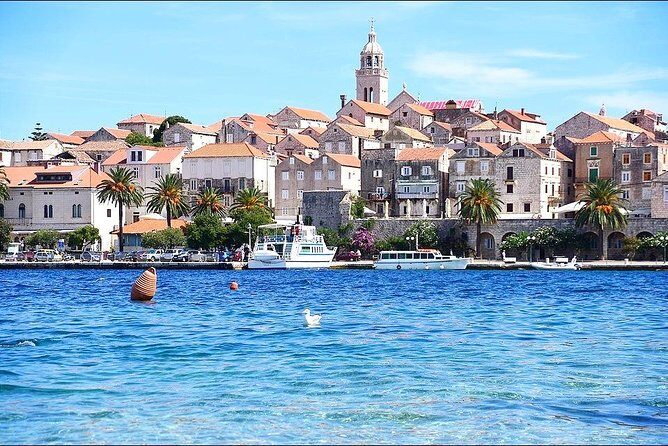
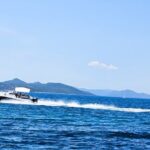
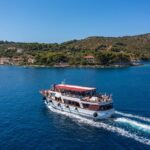
Next comes the simple but great part: a ferry ride. You board for about 20 minutes to Korčula from Orebic, with the option to watch scenery as you cross. During the crossing, views on the right-hand side include Our Lady of the Angels church and monastery. It’s not a long boat segment, but it breaks up the day and makes the move from mainland to island feel like an event, not just transportation.
This is one of those tour design choices that you’ll feel later. When you arrive on Korčula, you’re already in the right mood. You’re not arriving tired and cranky from hours in the car. Instead, you get a reset—sea air, a chance to frame a few shots, then you step into the old town.
Also, because the boat tickets are included, you don’t have to worry about matching ferry schedules with your driving schedule. That alone can save stress in the real world, especially when you’d rather spend your energy on sightseeing.
If you’re prone to seasickness, bring what you normally use, since it’s still a ferry. But since the ride is short, you’re not committing to an all-day sea trip.
Korčula Old City walking time: Marco Polo, Venetian defense, and a south gate entrance
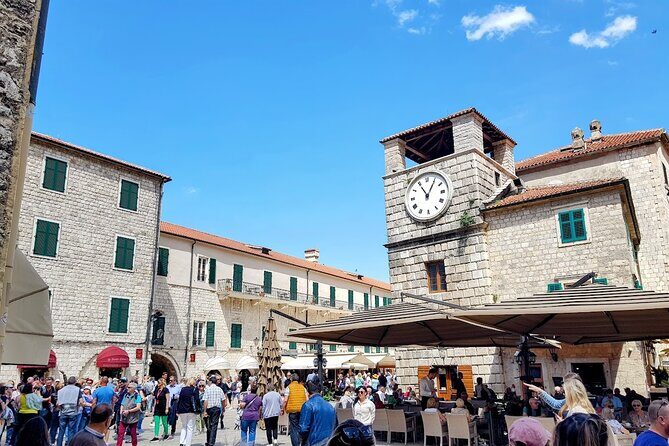
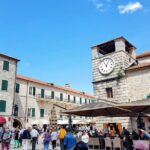
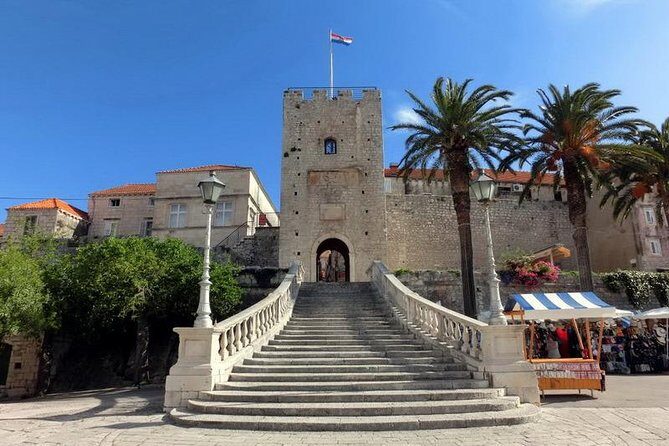
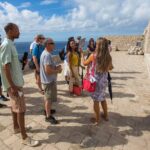
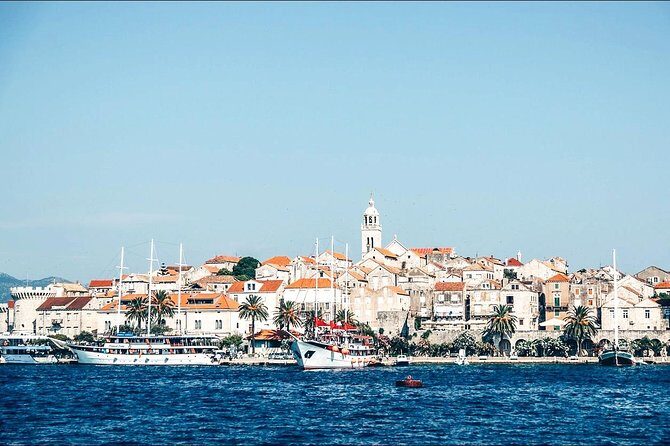
Korčula Old Town is where the tour goes from “regional highlights” to a true sense of place. You’ll have about 3 hours for a private walking tour of the old city, guided from the defensive architecture to the smaller landmarks that make Korčula feel different from other Adriatic towns.
The walk starts by getting you familiar with Venetian defensive architecture and the old 15th-century street layout. Then you enter the city through the 18th-century Baroque South gate. That gate detail matters: Korčula’s old town isn’t just pretty. It’s shaped by protection, access, and walls that tell you how people expected to survive.
In the citadel center, you’ll see the birth-house of Marco Polo and hear the story about his connection to Korčula. It’s one of those facts people either know or don’t. Either way, the guided framing helps you connect it to the city’s identity, not just treat it like trivia.
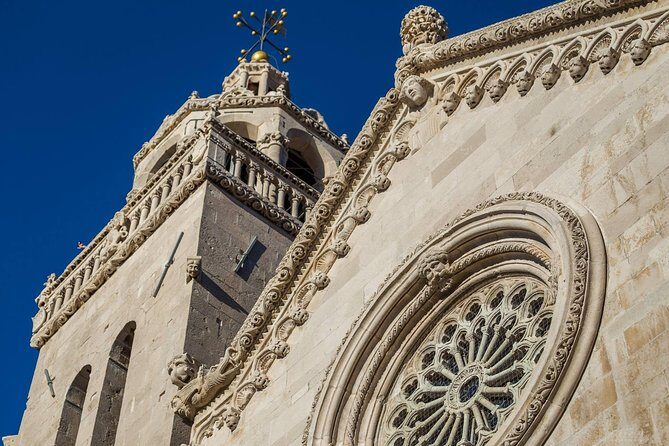
You’ll also visit the Cathedral of San Marco, including its tall bell tower. Even if you’re not a church person, the tower and cathedral area anchor the skyline and help you orient yourself for the rest of your free time.
After the tour, you get free time for lunch. This is the part I’d plan for in your head before you arrive—because when you’re dropped into free time, it’s easy to wander without direction. A smart local-style suggestion on this tour is to try hand-rolled pasta from Zrnovo and pair it with a glass of white Korčula wine, Posip. If you enjoy simple choices that are hard to regret, this is exactly that kind of option.
Tip: if you’re a Marco Polo fan, ask your guide extra questions during the walk. The guide commentary is what turns a landmark into a storyline.
Matusko Winery on Pelješac: wines, liqueurs, and cellar time
Pelješac is the move from sightseeing into taste. Your winery stop is at Matusko Winery, described as a well-known Pelješac family-owned operation. The winemaking here is built around storytelling as much as tasting, and the tour gives you both.
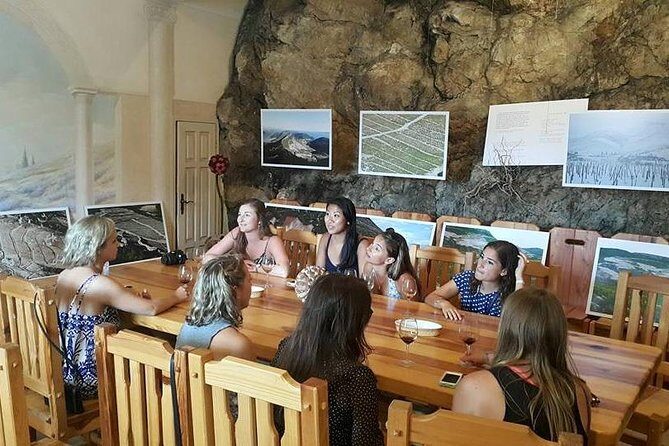
You get a guided visit to the winery cellar and learn about the history of winemaking in the area. Then comes the tasting itself: you’ll try various wines and liqueurs, totaling 5 samples.
This matters for value because wine tastings can be expensive on their own. Here, tasting is part of the day rather than an optional add-on. It also means you’re not doing the “tour bus to a viewpoint, then find a shop later” routine. You’re spending your time where the flavor comes from.
What I like about this approach is the variety: wine plus liqueurs. If you’re not sure what you like yet, you can sample multiple styles and then decide what makes sense for the rest of your trip back home.
One practical note: since you’re driving the rest of the day after the tasting, follow local guidance and pace yourself. The tasting is designed as part of a tour day, but your body will still know if you overdo it.
You can also read our reviews of more tours and experiences in Dubrovnik
Dingac wine zone photo stop: steep vines, sea views, and that tunnel moment

The last sightseeing stretch uses the Pelješac terrain to make the wine region feel real. You’ll get a scenic drive through Dingac tunnel, then a photo stop in the Dingac wine-growing zone.
Dingac is known for vines grown at 40–60 degree inclined hills. You also get spectacular views of islands Mljet and Lastovo, plus fishing villages of Trstenik and Zuljana. Even if you’re not a wine geek, steep vineyards and long sightlines change how you understand why this area produces world-class grapes. It’s hard to fake that with a brochure.
This section is short (about 15 minutes), so the goal is photos and orientation, not a hiking plan. If you want longer viewpoint time, you’d need to add it on later, but for a day tour this length is a good balance.
The tunnel drive is a nice break too. It adds a sense of “we’re really crossing into wine country now,” not just slowly moving from stop to stop.
Price and what you’re actually paying for ($372.47 per person)
At $372.47 per person, this isn’t a bargain-basement excursion. But it also isn’t only about transportation. You’re paying for a private day structure that includes major logistics and key paid components:
- Air-conditioned vehicle for the full day
- Professional English-speaking guide
- Ston and Mali Ston guided time
- Orebic–Korčula–Orebic boat tickets
- Korčula Old Town walking tour
- Winery tasting at Matusko Winery (5 samples, plus cellar visit)
When you compare it to doing part of this on your own, the ferry and guided time are the hard-to-recreate pieces. You can absolutely rent a car and try to DIY, but then you’re managing timing, ferry schedules, parking, and how to understand what you’re seeing. Here, the guide handles the why behind the stone walls and the purpose behind the architecture and wine culture.
Also, because it’s private, you avoid the “stand in line for the same photo” feeling. If you value personal pacing, that’s where the price starts to make sense fast.
One fairness note: food and drinks are not included, so your total day cost will rise once you add lunch in Korčula. Still, the big-ticket items are already in the plan.
Guides, pacing, and the kind of day it is
The tour’s reputation for guides comes through in how the day is narrated. In particular, Stephen and Ivo are highlighted for sharing history and architecture in a way that connects to routes and real-life context. You’ll also get stories that make Ston and Mali Ston more than a quick stop.
I also like that the pace is active but not frantic. You’ve got short tours with meaningful stops, a ferry break, a guided old town walk, then a tasting, then a viewpoint drive. It’s busy, yes, but it doesn’t feel like you’re sprinting from one location to another nonstop.
There’s also a small but smart detail from the experience: it’s worth asking about the bridge being built to connect the two parts of Croatia. That kind of question gives you modern context while you’re standing in a landscape shaped by older trade routes.
If you’re visiting in winter, one review-style note to keep in mind is that Korčula can feel especially calm, even when you’re sightseeing. The upside: you get a more relaxed old town feel without the same level of crowd friction.
Who should book this Korčula & Pelješac private day
This tour is a good fit if you want all the highlights—Ston walls, Korčula Old Town, and Pelješac wine—without doing logistics math.
You’ll likely enjoy it most if you:
- Want a private day with English-speaking guidance throughout
- Care about history and architecture, not just checking off towns
- Like wine tastings and want a structured tasting time at a known winery
- Prefer included ferry tickets rather than timing your own transport
It may be less ideal if you’re chasing long free-time wandering. This day is structured. You’ll get free time for lunch in Korčula, but most other time is guided or timed around stops.
Should you book this tour?
Yes, if you want a focused, guided, and mostly worry-free day linking Dubrovnik with Korčula and Pelješac. The standout strengths are the combo of included ferry tickets, guided Korčula Old Town with clear landmarks, and a real winery tasting at Matusko rather than a quick shopping stop.
If you’re on a strict budget or you don’t care about history, architecture, or wine, then the price might feel steep. But if you’re the type who likes understanding what you’re seeing while you’re there, this is the kind of itinerary that pays you back with context, not just photos.
FAQ
What time does the tour start from Dubrovnik?
The tour starts at 8:00am.
How long is the Korčula & Pelješac private tour?
It runs for about 9 hours.
Is pickup offered?
Yes, pickup is offered.
What is included in the price?
Included items are an air-conditioned vehicle, a professional English-speaking driver-guide, a visit to Ston, boat tickets Orebic–Korčula–Orebic, a Korčula tour, and a wine tasting at Matusko Winery.
Is this tour private?
Yes. It’s a private tour/activity, so only your group participates.
Is there free cancellation?
Yes. You can cancel up to 24 hours in advance for a full refund.