REVIEW · DUBROVNIK
Full-Day Peljesac Wine Tour
Book on GetYourGuide →Operated by Super Tours Travel Agency · Bookable on GetYourGuide
Pelješac rewards you fast. This full-day tour threads wine country and sea-coast scenery into one smooth day, with a slow, scenic walk through Dingac plus tastings in three wineries. The Pelješac Peninsula is one of Croatia’s top grape regions, with vine-growing traditions stretching back thousands of years.
I especially like the combination of Ston and wine tasting—Ston’s salt production and seafood culture (oysters and mussels) give the day context beyond the glass. I also like how the guide-style storytelling connects grapes, geography, and local life, including fun wine-history points and what to look for in each pour.
One thing to consider is the timing: the pacing is great when you’re happy to move with the schedule, but at least one schedule has run late for food, and the winery visits can feel a bit tight if you want long, unhurried tastings.
In This Review
- Key things to know before you go
- Pelješac wine country, in a day that actually works
- Dingac’s one-hour walk: where the views make sense
- Ston salt and seafood: the stop that adds meaning
- Three wineries in one route: what to look for while tasting
- Lunch timing and the “late” feeling problem
- Included value: what the $153 buys you (and why it’s not just the wine)
- Getting the most from the Dingac + Ston combo
- What happens if your route changes?
- Practical tips for a smoother, happier day
- Who should book this Pelješac wine tour
- Should you book? My honest take
- FAQ
- How long is the Pelješac Wine Tour?
- What’s included in the price?
- Is lunch included?
- How long is the scenic walk in Dingac?
- What stops are included besides the wineries?
- Is the tour language English?
- Can I cancel for a full refund?
- Is there a pay-later option?
Key things to know before you go
- Dingac walk is the scenic centerpiece: plan for about an hour strolling through the wine-growing area, with views you’ll remember.
- Ston adds real local texture: salt production plus oyster and mussel farming, not just a quick photo stop.
- Three wineries means variety: you taste across multiple cellars rather than repeating the same bottles.
- Plavac Mali is a star: it’s highlighted as a favorite in the Pelješac style of reds.
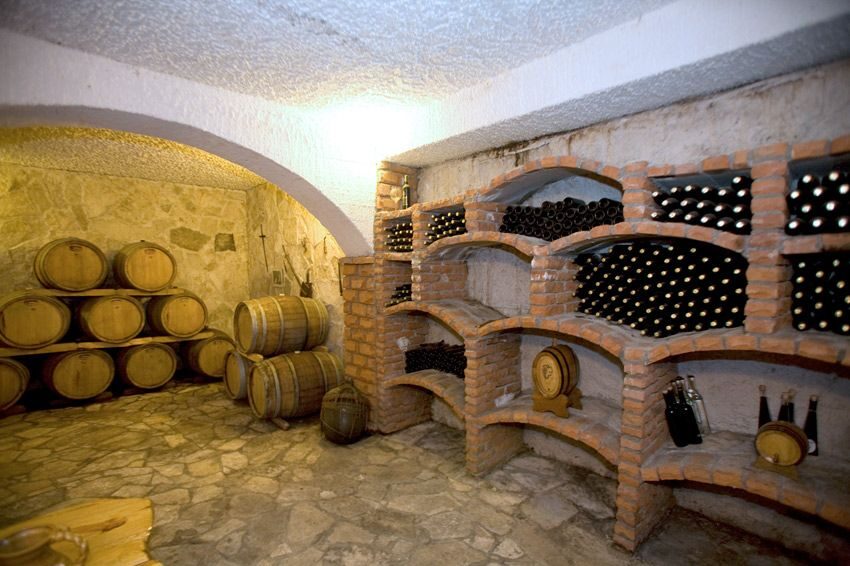
- A cellars’ round-table tasting setup can be a standout moment for many people.
- Expect a guided day on a set timetable: the route is efficient, but food timing may feel “later” for some.
Pelješac wine country, in a day that actually works
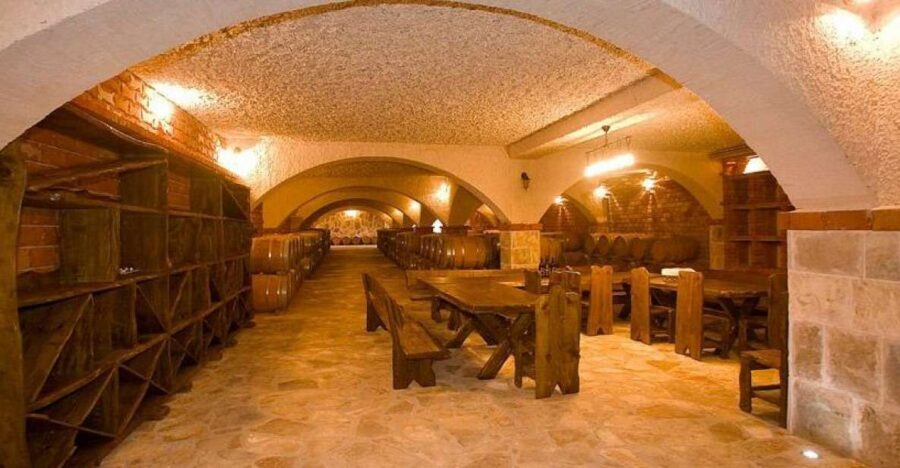
The Pelješac Peninsula sits in Dalmatia, where grape growing has been happening for a very long time. The area’s mix of terrain and climate helps explain why you’ll find serious, distinctive wines here—not just tourist-friendly pours. On this kind of tour, you’re not trying to master the region alone. You’re getting a guided route that keeps you moving through the right places.
This is the sort of day that feels perfect if you’re already in the Dubrovnik area and want a change of scenery without the stress of driving yourself. You get a full seven-hour structure, with an air-conditioned vehicle doing the heavy lifting. And you get tasting time in multiple cellars, which is the best way to understand how one peninsula can produce noticeably different styles.
You can also read our reviews of more wine tours in Dubrovnik

Dingac’s one-hour walk: where the views make sense
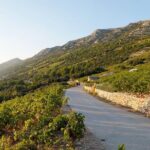
Dingac is one of Pelješac’s best-known wine-growing zones, and the tour gives you a rare thing: time on foot in the vines. You’ll take a breathtakingly scenic one-hour walk through the wine area, and this is where the peninsula starts to click. From this kind of viewpoint, you can see how slope and exposure matter for grapes.
Even if you’re not a “wine nerd,” the walk helps you connect what you’ll taste later to what you see now. Vineyards aren’t just background decoration here; they’re the main character. This also tends to be the part of the day that feels most local, because you’re experiencing the region at human speed.
Practical tip: wear comfortable shoes. You don’t need hiking gear, but you do want traction and support for a sustained walk through a working wine area. Also, bring a layer—coastal weather can change quickly, and you’ll be outside for long stretches.
Ston salt and seafood: the stop that adds meaning
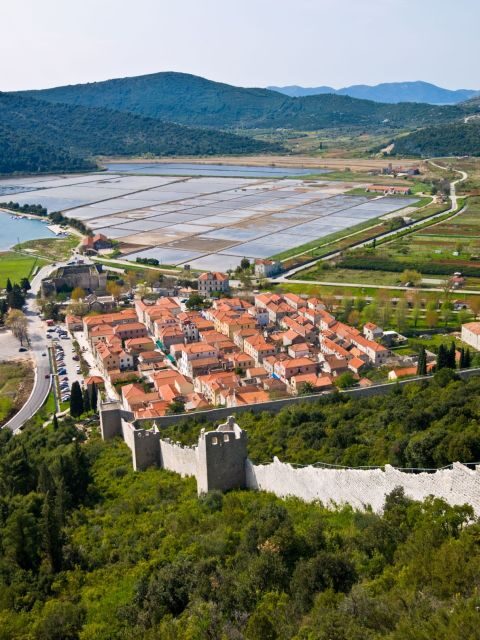
Ston is the tour’s cultural reset, and it’s not there just to stretch the legs. The town is known for traditional salt production, and it’s also tied closely to seafood farming—especially oysters and mussels. That combination makes your wine day feel more complete, because it shows how coastal communities earned a living from the sea and the land.
You’ll typically have time to stroll around, grab something simple like coffee, and often see salt works as part of the experience. Some days include time to walk the town at an easy pace, which helps you cool down after time in the vehicle.
Why this stop matters: wine tours can sometimes feel like a parade of cellars with no context. Ston anchors the day in the broader economy of the region—salt that people traded for centuries, and aquaculture that still shapes what the coast tastes like today.
Three wineries in one route: what to look for while tasting
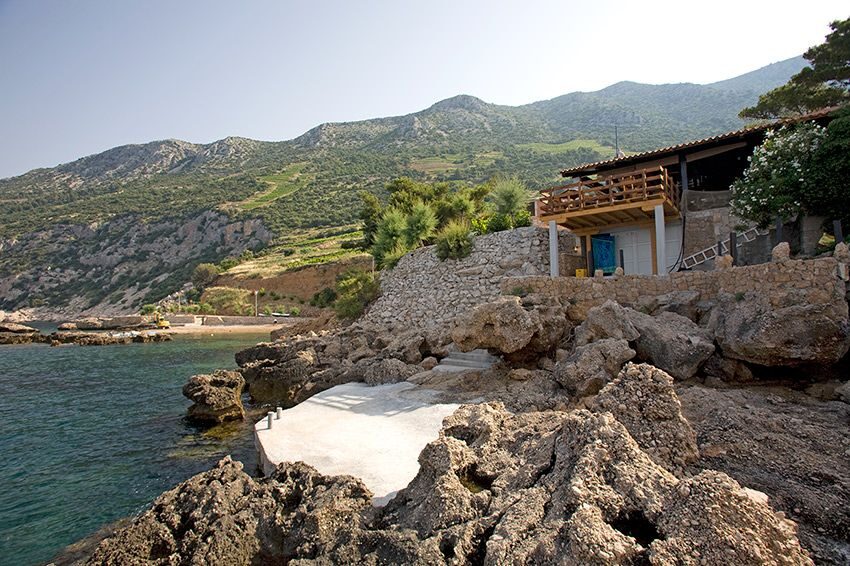
One of the most praised parts of this tour is the wine tasting itself. You’ll visit three well-known wine cellars, and tastings are included. This matters because it gives you a chance to compare. Pelješac wines aren’t all identical just because they come from the same peninsula.
From the details shared by people who took this tour, the tastings often include local standouts such as Plavac Mali—a red grape strongly associated with this region. You may also hear wine-history context during the day, including points about how Zinfandel originated in Croatia, which helps turn tasting into learning.
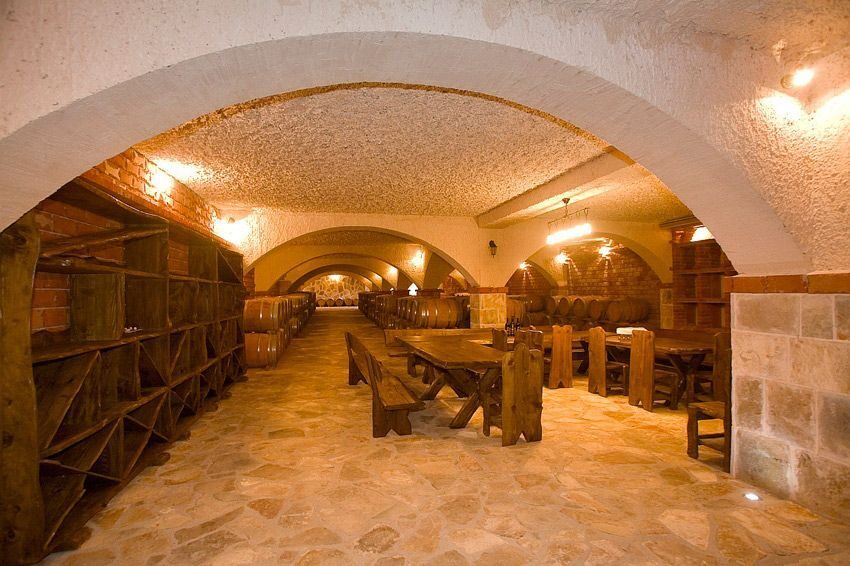
A unique detail that comes up in reviews: one cellar has a large round table tasting setup that feels almost like something from an old story. That kind of setting changes the vibe. It’s less like a quick pour-and-go and more like a real tasting moment, where conversation and structure make the experience easier to enjoy.
How to get more out of tastings:
- Pace your sips so you can still taste clearly as the day goes on.
- Pay attention to what the guide highlights about each wine style.
- If you find a bottle you like, take note of what you ordered so you can buy confidently later (when purchase time is available).
Lunch timing and the “late” feeling problem
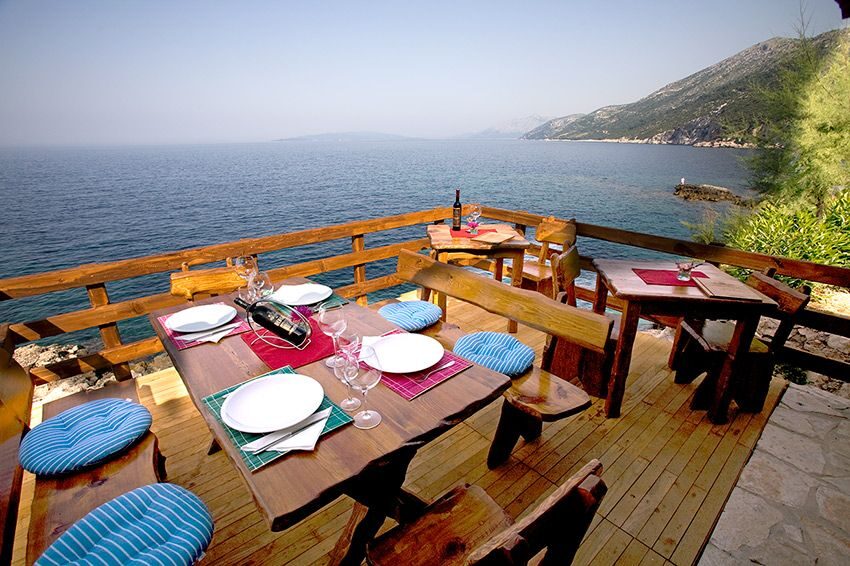
Let’s talk about the one thing that can make or break the day for some people: food timing. The tour does not list lunch as included, and yet the day usually includes a restaurant break with local dishes or specialties. In at least one case, the meal happened around 15:00, and the schedule felt rushed for some winery time.
So here’s the mindset that helps: treat lunch as a flexible part of the day. If you’re someone who gets cranky when meals run late, you might want to plan snacks on your own before the day starts. If you’re more relaxed and you enjoy the flow, the late schedule becomes less of a problem.
Also, because you’re tasting and walking, your body wants steady fuel. This tour includes a snack, which helps, but it’s still smart to arrive ready for a long day. If you’re sensitive to long gaps between meals, keep your expectations realistic.
You can also read our reviews of more tours and experiences in Dubrovnik

Included value: what the $153 buys you (and why it’s not just the wine)
At $153 per person for a seven-hour day, you’re paying for more than the tastings. You’re paying for:
- transportation by an air-conditioned vehicle
- an English-speaking driver/guide
- tastings at three wineries
- a snack
That combination is where the value usually lands. Buying wine tastings one by one can add up fast, and coordinating three cellars plus a Dingac walk plus Ston on your own can become complicated. This tour compresses the “best parts” into one guided route.
Is it perfect value for everyone? Not necessarily. If you mainly want a relaxed, sit-down lunch and long leisure time in one town, this is more of an efficient itinerary than a slow travel day. But if you want an organized introduction to Croatian wine country with hands-on tasting and real scenic time, the price feels more reasonable.
Getting the most from the Dingac + Ston combo
The strongest “why this works” angle is how the stops connect. You start with vineyards and scenery through Dingac, then you move to Ston for salt and seafood, and then you spend your tasting time back in the wine world. That rhythm makes the wine make more sense.
Here’s what to watch for while the day unfolds:
- In Dingac, notice how the terrain looks. It’s easier to understand why grapes grown here feel distinct.
- In Ston, notice how the economy ties to sea resources. It’s another reason the coast feels like a living system, not just a viewpoint.
- At the wineries, listen for how the guide ties geography to flavor—because you’ve already seen the landscape features that influence it.
That’s the difference between “I drank some wine” and “I got it.” Even if your wine vocabulary is basic, you’ll leave with clearer mental pictures.
What happens if your route changes?
One real-life detail worth noting: there can be schedule adjustments. In one account, the tour was changed to another wine tasting trip, and the overall day still felt well planned. That tells me the operator can adapt the winery selection while keeping the core format: Pelješac wine region, tastings, and Ston.
So if you’re booking with the expectation of a perfectly identical lineup of wineries, keep it flexible. The bigger goal is the region experience—Dingac walking time, Ston context, and multiple tastings.
Practical tips for a smoother, happier day
This tour is best when you treat it as a full day outdoors plus tasting time. A few simple choices can help you feel comfortable:
- Bring sun protection. Even if it doesn’t feel scorching, you’ll spend time exposed on the walk.
- Wear comfortable shoes for the Dingac walk.
- If you’re sensitive to late meals, consider a light snack before the tour starts.
- Stay hydrated during tastings, since you’ll be walking and tasting.
Also, remember that tastings have structure. If you’re hoping to linger at one winery for a long time, the efficient timetable might not match your style. The upside is you’ll see more of the region in one go.
Who should book this Pelješac wine tour
This is a great fit if:
- you want a structured introduction to Pelješac wine country
- you enjoy scenic walks, not just seated tastings
- you like learning how local geography shapes what ends up in the glass
- you want Ston’s salt and seafood culture added to a wine day
It may be less ideal if:
- you require early, predictable meal times
- you prefer long unhurried stops where nothing feels time-pressured
- you only want one or two wineries and would rather skip the rest
If you like efficient days with big payoff—views, tastings, and one strong cultural stop—this tour hits that sweet spot.
Should you book? My honest take
I’d book this tour if you want a real sense of Pelješac without needing to plan three separate stops and coordinate timing on your own. The most praised elements line up with what you’d hope for: strong tastings across three wineries, a scenic Dingac walk, and a Ston stop that adds salt-and-seafood context. For wine lovers, it’s a clear win.
Just go in with one expectation set: the day runs on a schedule, and food timing can feel late for some people. If that’s a dealbreaker, plan accordingly with your own snacks or choose a different format. If you can roll with a structured itinerary, you’re likely to leave with bottles you actually want and stories you can explain to friends.
FAQ
How long is the Pelješac Wine Tour?
The tour runs for 7 hours.
What’s included in the price?
It includes transportation by air-conditioned vehicle, an English-speaking driver/guide, wine tastings in three different wineries, and a snack.
Is lunch included?
Lunch is not listed as included.
How long is the scenic walk in Dingac?
The tour includes a one-hour scenic walk through the Dingac wine-growing region.
What stops are included besides the wineries?
You’ll visit the town of Ston, known for traditional salt production and oyster and mussel cultivation.
Is the tour language English?
Yes, it runs with an English-speaking driver/guide.
Can I cancel for a full refund?
You can cancel up to 24 hours in advance for a full refund.
Is there a pay-later option?
Yes, you can reserve now and pay later.